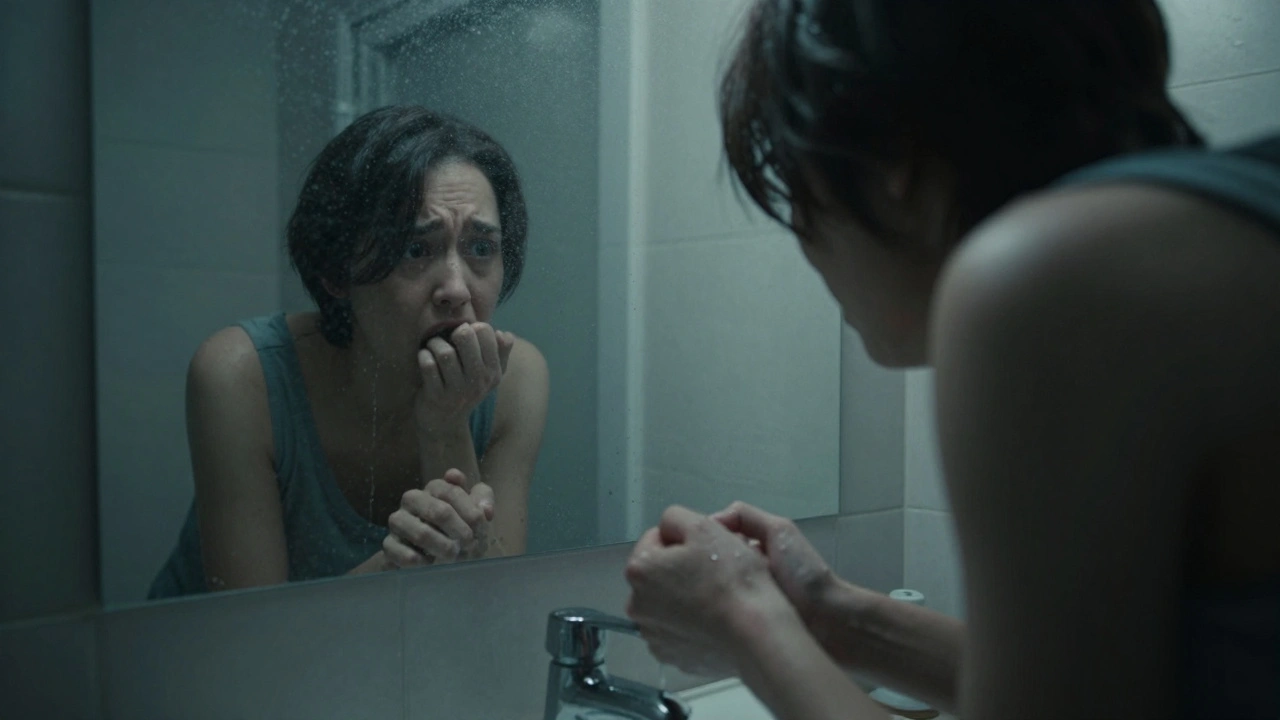
Film Techniques: How Cinematography, Production Design, and VFX Shape Movies
When we talk about film techniques, the practical methods filmmakers use to create visual storytelling. Also known as cinematic methods, it’s not just about what happens in front of the camera—it’s how the camera sees it, how the set feels under its lens, and how digital effects blend into reality. These aren’t fancy tricks. They’re the quiet decisions that make a scene stick in your head—like why a slow push-in makes you feel trapped, or why a rusted door looks more real than a CGI one.
Cinematography, the art of capturing light and motion on film. Also known as visual storytelling, it’s where film techniques come alive. A static shot can scream loneliness. A handheld shake can make you feel the chaos. Directors don’t just pick lenses—they pick feelings. Look at how camera movement, the way the camera travels through a scene. Also known as framing dynamics, it shapes tension in action scenes and intimacy in quiet moments. Then there’s production design, how sets, props, and textures are built to support the story. Also known as set construction, it’s why a dusty wooden floor in a 1970s kitchen feels more real than a painted backdrop. Every scratch, every worn edge is chosen because it photographs well under specific lighting. And you can’t ignore VFX, digital effects that extend or replace reality. Also known as visual effects, they’re no longer just for sci-fi. Today, they’re used to fix lighting, remove wires, or even make an actor look younger—all invisible unless you know where to look. These aren’t separate skills. They’re layers. A drone shot (cinematography) flies over a set built with aged metal (production design), while a digital sky is added in post (VFX). All three have to match, or the whole thing breaks.
What you’ll find below isn’t theory. It’s what’s actually happening on sets right now. How indie films survive with no budget but smart textures. Why studios now shoot VFX live on LED walls instead of green screens. How a single frame ratio can make a scene feel claustrophobic or wide open. These aren’t random posts—they’re the real tools filmmakers use to turn scripts into something you feel, not just watch.