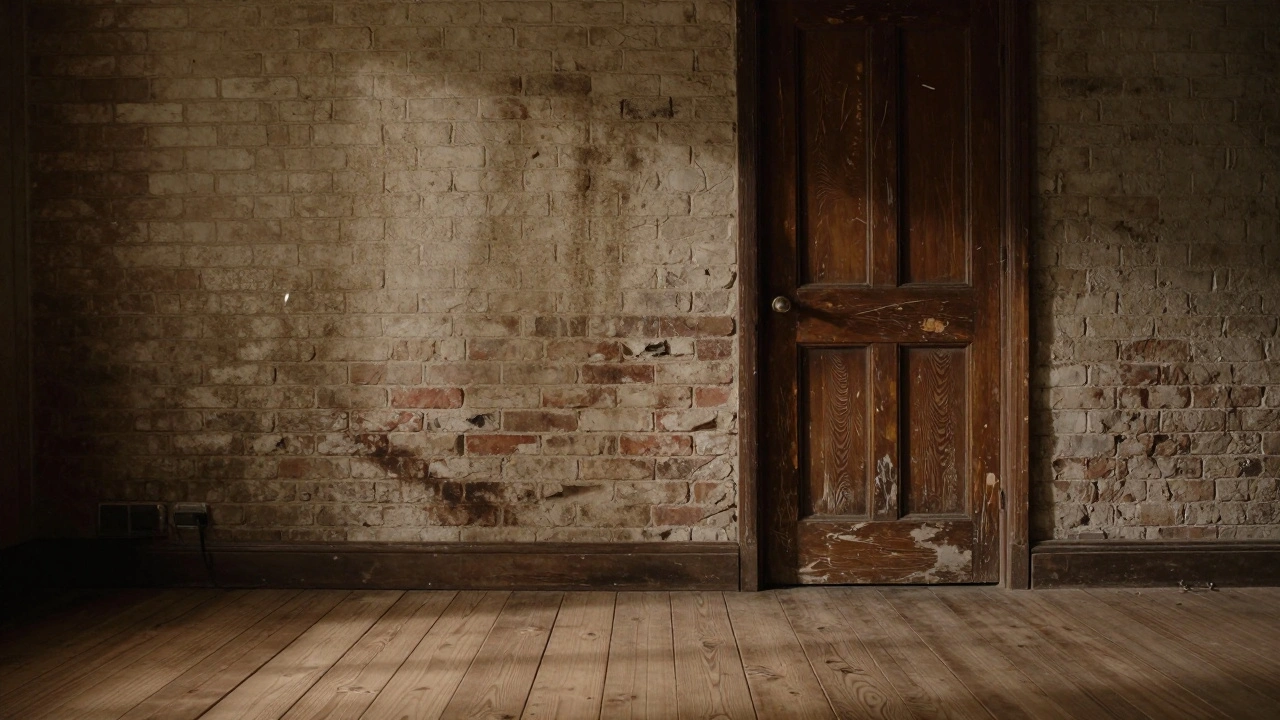
Film Set Textures: How Surfaces Shape Story and Mood in Cinema
When you watch a scene where a character runs their hand along a peeling wallpaper or sits on a chair with frayed upholstery, you’re not just seeing a set—you’re feeling the weight of the story. film set textures, the physical surfaces and materials used in movie environments to convey time, emotion, and character. Also known as set dressing, these details aren’t decorative—they’re narrative tools that tell you who lived there, how long they stayed, and what they’ve been through. A dusty attic isn’t just old—it’s lonely. A polished mahogany table isn’t just expensive—it’s controlled. These textures speak before a single line of dialogue is spoken.
Behind every great film set is a team of production designers who treat surfaces like actors. They choose materials not just for looks, but for how they react to light, how they age under camera, and how they feel under a character’s touch. Think of the cracked concrete floors in No Country for Old Men—they’re cold, unforgiving, and silent, just like the killer. Or the worn velvet curtains in The Grand Budapest Hotel—they scream faded glamour and forgotten luxury. These aren’t accidents. They’re carefully built production design, the art of creating the visual world of a film through sets, props, and surfaces. And they work best when you don’t notice them—until they pull you deeper into the story.
cinematography, the technique of capturing light and motion to tell a visual story relies on these textures too. A soft-focus shot of a rain-streaked window only works if the glass is dirty, the frame is warped, and the wood around it is swollen from moisture. Without that realism, the shot feels fake. Even in sci-fi or fantasy, textures ground the impossible. The rust on the Millennium Falcon, the grime on the walls of the Death Star—they make those ships feel lived-in, not built in a studio. This is why even the most digital films still need real dirt, real scratches, and real wear. visual storytelling, the use of imagery, composition, and environment to communicate narrative without words lives in the details you almost miss.
What you’ll find in the posts below isn’t a list of pretty sets. It’s the real-world breakdown of how texture works in film—from how indie crews fake decades of decay on a $500 budget, to how big studios use 3D scanning to replicate real locations, to why a cracked teacup can carry more emotion than a monologue. These aren’t just craft tips—they’re lessons in how to make audiences believe, feel, and remember.