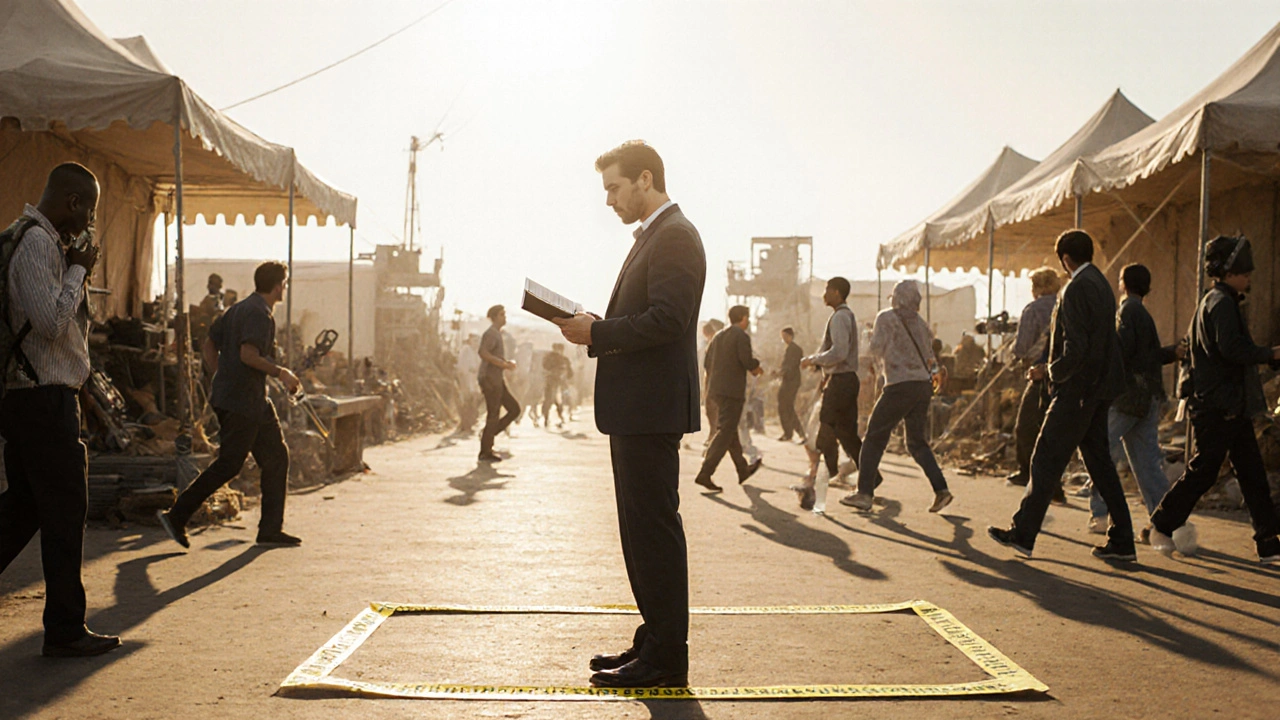
Film Set Rules: What Actually Happens on Set Behind the Scenes
When you think of a movie set, you picture cameras rolling, actors delivering lines, and directors calling action. But what happens between those moments? film set rules, the unspoken and sometimes written guidelines that govern behavior, safety, and workflow on a movie set. Also known as on-set protocols, these rules aren’t about glamour—they’re about survival, respect, and getting the shot without chaos. Every crew member, from the grip to the producer, follows them. Skip one, and you risk delays, injuries, or worse—losing your job.
These rules aren’t just about being polite. They’re built around film crew roles, the specialized jobs that keep a film production running smoothly, each with defined responsibilities and boundaries. The assistant director keeps time and calls the shots. The script supervisor tracks continuity so a character’s coffee cup doesn’t magically change size between takes. The safety officer makes sure no one stands under a falling light or near a moving crane. These roles don’t overlap. Cross them, and you create confusion—or worse, danger. On many sets, silence is mandatory during takes. That’s not just tradition—it’s how sound recordists capture clean audio. Even a cough can ruin a take that took hours to set up.
Then there’s film set etiquette, the unwritten code of conduct that prevents friction and keeps morale high during long, stressful shoots. Don’t walk between the camera and the actor. Don’t touch someone else’s gear. Don’t ask the director for a line rewrite unless you’re in the room with the writers. Don’t bring food with strong smells near the set. These aren’t arbitrary. They’re the result of decades of mistakes. A spoiled take because someone opened a bag of chips? That’s money down the drain. A crew member burned by a hot lamp because no one checked the safety zone? That’s a lawsuit waiting to happen.
And let’s not forget movie production safety, the non-negotiable standards that protect people from physical harm during filming, from rigging to stunts to special effects. Modern sets use checklists, safety briefings, and emergency protocols. No one gets on a rig without a harness. No pyrotechnics go off without clearance. Even a small firework on a quiet night can trigger a full evacuation. These rules aren’t there to slow you down—they’re there so you can keep working tomorrow.
What you see on screen is the result of hundreds of tiny, disciplined actions. The actor’s performance? It’s shaped by the quiet set, the crew’s focus, the lighting that was adjusted three times because the director wanted just the right shadow. The emotional climax of a scene? It’s built on hours of silence, patience, and respect for the process. film set rules aren’t about control—they’re about trust. They let everyone do their job without stepping on each other’s toes.
Below, you’ll find real stories and breakdowns from people who’ve worked on sets—from indie shorts to big-budget films. You’ll see how these rules play out in practice, what happens when they’re ignored, and how even the smallest detail can make or break a production. Whether you’re a filmmaker, a student, or just curious about how movies are made, this isn’t just about rules. It’s about understanding what it really takes to turn an idea into a movie.