How to Value Film Libraries: Catalog Sales and Appraisal Methods
Learn how film libraries are valued, appraised, and sold. Understand the financial drivers behind catalog sales and what makes classic films worth millions today.
When you hear film rights appraisal, the process of estimating the monetary value of a film’s distribution and licensing rights. Also known as movie rights valuation, it’s what happens behind the scenes before a film even hits a streaming service or theater. It’s not about how good the movie is—it’s about who might buy it, where it can be sold, and how much it can earn over time. A low-budget indie film with a cult following might be worth more than a big-budget flop if it has strong international appeal or a loyal fanbase ready to stream it.
Film licensing, the legal agreement that lets someone distribute or exhibit a film, is the direct result of a successful film rights appraisal. Buyers—whether it’s Netflix, a regional distributor in Brazil, or a TV network in Japan—don’t just pay for the film. They pay for the right to show it in certain territories, on certain platforms, for a certain number of years. That’s why a film with no name actors but strong genre appeal (like a slow-burn thriller or a documentary on climate justice) can command high licensing fees. The appraisal looks at past sales of similar films, audience demographics, festival buzz, and even social media traction.
It’s not just about the film itself. Intellectual property film, the underlying rights to a story, character, or brand tied to the movie, can massively boost value. Think of Hello Kitty’s film success: it wasn’t the production budget that sold it—it was decades of brand recognition. That’s IP value, and it’s factored into every appraisal. Same goes for book adaptations like The Lord of the Rings or The Hunger Games. The rights to the source material often cost more than the film itself. Sales agents and producer reps know this. They don’t just pitch the movie—they pitch the ecosystem around it.
And then there’s the timing. A film appraised in 2023 might be worth twice as much in 2025 if streaming platforms are hungry for niche content. That’s why so many indie producers now use slate financing, funding multiple films at once to spread risk and increase overall licensing potential. One film might not sell, but if three others do, the appraisal of the whole slate shifts. It’s not about one movie. It’s about a portfolio.
What gets overlooked? The small stuff. A film with a strong soundtrack might have higher value because music rights can be sold separately. A film shot in a popular location might earn more through tourism-driven licensing. Even the director’s past work matters—if they’ve had a film picked up by Sundance before, that track record adds weight to the appraisal.
Bottom line: film rights appraisal isn’t guesswork. It’s a mix of data, experience, and gut feeling. Buyers use it to decide if a film is worth their money. Producers use it to know when to hold, when to sell, and when to wait. And if you’re trying to get your film seen, understanding how rights are valued helps you pitch smarter, not louder.
Below, you’ll find real-world guides on how sales agents close deals, how indie films get picked up by streamers, and why some films—no matter how small—end up worth millions. These aren’t theories. These are the moves people actually make in the room when the numbers are on the table.
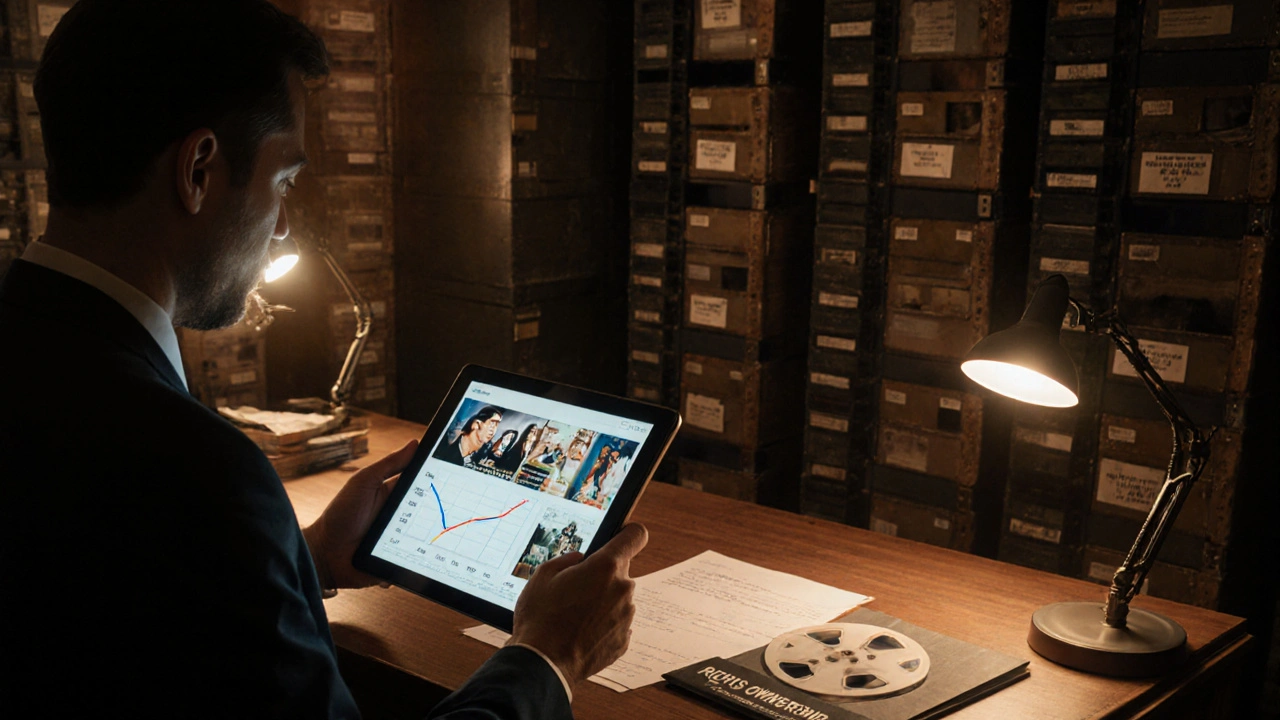
Learn how film libraries are valued, appraised, and sold. Understand the financial drivers behind catalog sales and what makes classic films worth millions today.