Film Rehearsal Techniques: How Actors and Directors Prepare for the Camera
When you think about what makes a performance feel real, you probably don’t picture a director yelling "Action!" on the first take. What happens before that moment—film rehearsal techniques, the structured methods actors and directors use to shape performances before filming begins—is where the magic is built. These aren’t just warm-ups. They’re the quiet, messy, often unglamorous work that turns a script into something alive. Whether it’s a quiet indie film or a blockbuster with a $200 million budget, the best performances don’t happen by accident. They’re rehearsed.
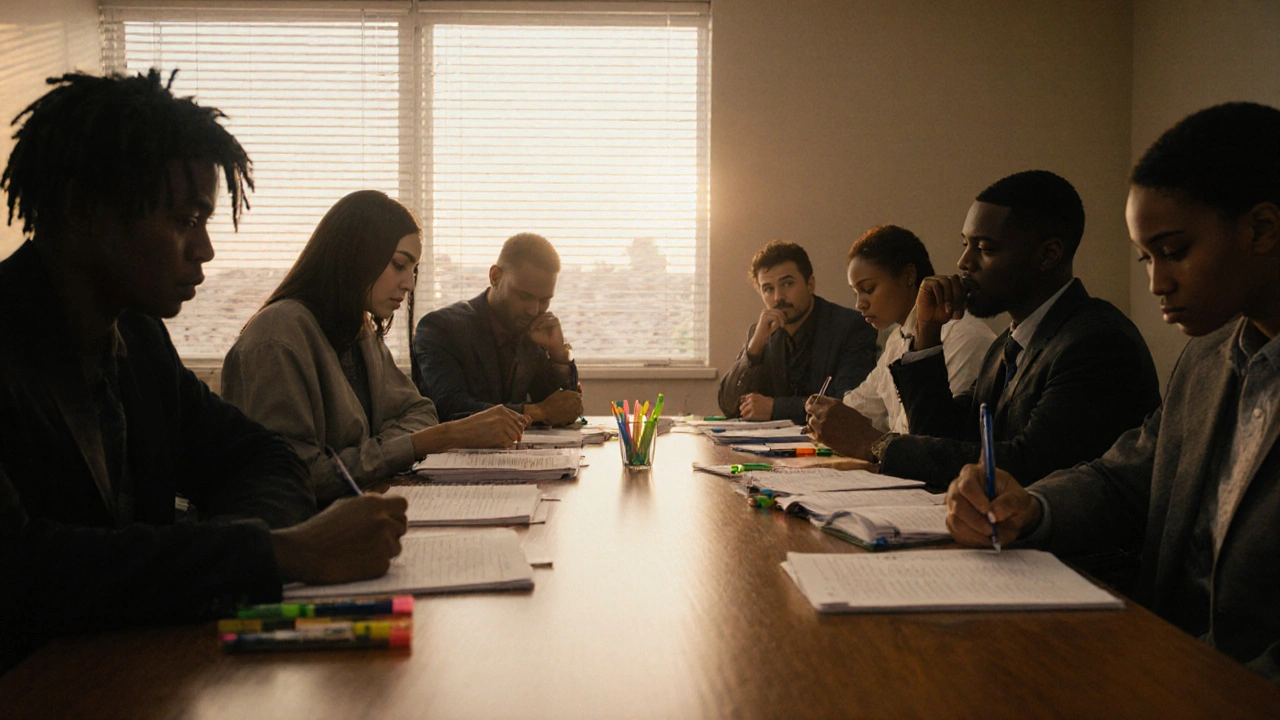
Rehearsal isn’t one-size-fits-all. Some directors prefer full table reads with the whole cast, where actors sit around a table and read lines out loud, letting the rhythm of the dialogue reveal hidden tensions. Others skip words entirely and focus on on-set blocking, the physical movement of actors through a scene, mapped out in advance to match camera angles and lighting. Then there are directors who give actors only a single line of direction—"Just feel the silence between them"—and let the moment breathe. The best director feedback, the subtle, often non-verbal cues that guide actors to deeper truth on camera isn’t about telling someone how to cry. It’s about helping them find the reason they’re holding back. And that’s why some actors rehearse alone for weeks, while others need to run lines with their co-stars until the words feel like their own thoughts.
What’s missing from most movies is the rehearsal footage—the hours of improvisation, the wrong takes that accidentally revealed something true, the way a pause became a character trait. That’s where the real insight lives. You won’t see it in the final cut, but you’ll feel it. That’s the point. Rehearsal isn’t about perfection. It’s about discovery. It’s about finding the moment when the actor stops performing and starts being. And that’s what separates a good scene from a unforgettable one.
Below, you’ll find real stories from filmmakers who’ve used every trick in the book—from silent rehearsals to last-minute adjustments—to make their scenes land. Some worked with zero budget. Others had studios breathing down their necks. But they all knew one thing: the camera doesn’t care how much you spent. It only cares if you meant it.