Film Production Wardrobe: What Goes Into Costumes That Make Movies Feel Real
When you watch a character walk onto screen, their clothes tell you more than their style—they reveal their history, their mood, even their secrets. This is the power of film production wardrobe, the organized system of selecting, creating, and managing every piece of clothing worn by actors during filming. Also known as costume design, it’s not just about picking outfits—it’s about building a visual language that supports the story without saying a word.
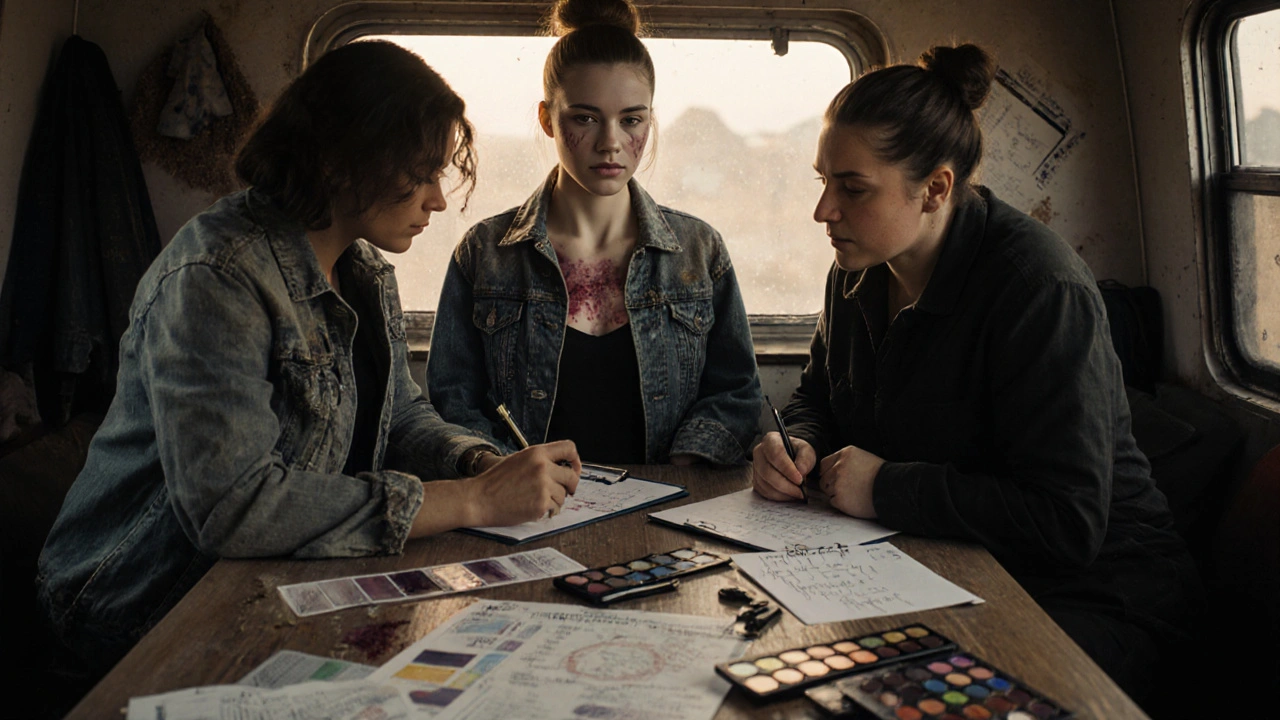
Behind every great costume is a team: the costume designer who sketches the vision, the wardrobe supervisor who keeps track of hundreds of items across scenes, and the dressers who change actors in minutes between takes. These people work with costume design, the art of crafting clothing that reflects character, era, and emotion to make sure a detective’s wrinkled coat shows years of stress, or a 1920s flapper’s fringe moves just right under studio lights. It’s not magic—it’s meticulous planning. A single film can use over 1,000 outfits, each tagged, logged, and stored by scene, actor, and shooting day. And if a character changes clothes mid-film? The wardrobe team has to make sure the new outfit matches the old one in wear, tear, and dirt—because audiences notice when it doesn’t.
What makes this even harder? Budgets. On indie films, wardrobe teams often repurpose thrift store finds, dye fabrics to match a director’s vision, or rebuild vintage pieces from scratch. On big studio films, they might commission custom tailoring or work with fashion houses. Either way, the goal is the same: make the costume invisible so the character feels real. wardrobe department, the crew responsible for managing all clothing and accessories during production doesn’t just handle shirts and shoes—they manage time, continuity, and emotion. A torn sleeve in scene 12 can’t suddenly be intact in scene 24. A hat worn in a rainstorm must stay wet for the next take. These aren’t small details—they’re the glue holding the film’s reality together.
And it’s not just about what’s on screen. The wardrobe team also works with hair, makeup, and even props to ensure everything looks like it belongs together. A character’s boots might be custom-made to match the texture of their gloves. A necklace might be weighted so it swings naturally when the actor moves. Even the smell of a costume—whether it’s been treated to smell like smoke, sweat, or old leather—can be part of the design.
When you see a film where the clothes feel like they’ve lived through the story, that’s the work of the wardrobe team. It’s not flashy. No one wins an Oscar for it every year. But without it, even the best performances fall flat. Below, you’ll find real-world breakdowns of how this process works—from low-budget hacks to Hollywood precision—so you understand exactly what goes into making clothes that don’t just look real, but feel real.