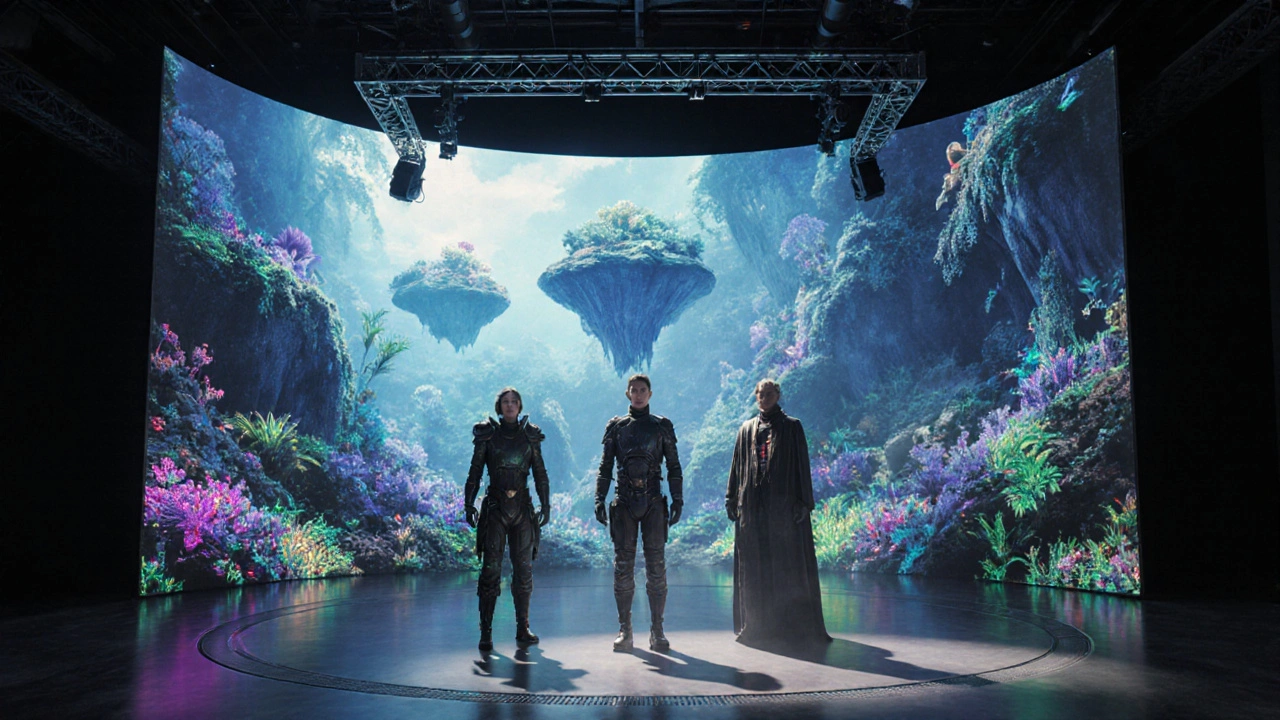
Film Production Technology: Tools, Trends, and How Indie Films Are Changing the Game
When you think of film production technology, the systems and tools used to create movies, from cameras and software to digital effects and distribution platforms. Also known as cinematic production tech, it’s no longer just about big budgets—it’s about smart, accessible tools that let anyone with a vision make something unforgettable. What used to be locked behind Hollywood’s walls is now in the hands of indie filmmakers using free software, smartphone rigs, and global tax incentives. The line between blockbuster and microbudget is blurring because the tech is democratizing.
Motion capture, a technique that records human movement to animate digital characters. Also known as performance capture, it’s not just for Avatar anymore—it’s in indie horror films, animated shorts, and even student projects using affordable sensor suits. Then there’s open-source VFX, free software like Blender, Natron, and Gaffer that replace expensive proprietary tools. Also known as free VFX pipelines, these are powering everything from festival darlings to YouTube series. And behind every polished shot? VFX quality control, the final pixel-by-pixel review that catches invisible errors before release. Also known as final VFX checks, this step separates professional work from amateur mistakes.
Location matters more than ever. streaming production hubs, places like Georgia, Hungary, and Thailand where tax credits and studio facilities attract global productions. Also known as film incentive hotspots, they’ve turned small cities into major filming centers. You don’t need to shoot in LA anymore—you need to know where the money and gear are. And it’s not just about cameras or software. It’s about how you use them: a silent scene, a perfectly timed montage, a geo-targeted ad for a microbudget film—all rely on the same tech ecosystem.
What you’ll find here isn’t a list of gear specs. It’s real stories from the set: how a team made a sci-fi epic using only Blender, how a documentary crew used motion capture on a $5,000 budget, how a last-minute pixel check saved a film from looking cheap on Netflix. These aren’t theory pieces—they’re field reports from filmmakers who are already doing it. Whether you’re editing in your garage or planning your first feature, this collection shows you what’s possible now—and how to get there without a studio paycheck.