Film Production Finance: Where Movie Money Comes From and How It Really Works
When you think about how movies get made, you might picture studios with deep pockets—but the truth is, film production finance, the system of funding that brings movies from script to screen. Also known as movie funding, it's a messy, complex web of investors, tax breaks, pre-sales, and sometimes sheer luck. Most films don’t get funded by one source. They’re stitched together like a patchwork quilt: a tax credit from Georgia, a pre-sale deal in Germany, a private investor who believes in the director, and a little crowdfunding from fans who want to see this story told. This isn’t Hollywood fantasy—it’s how even big films get off the ground.
Behind every movie is a chain of financial moves most people never see. production incentives, cash rebates offered by governments to attract film crews. Also known as film production incentives, they can cover 20% to 40% of a film’s local spending. That’s why you see so many films shooting in Louisiana, New Mexico, or the UK—they’re not just pretty locations, they’re money-saving tools. Then there’s pre-sales financing, selling distribution rights in foreign markets before filming even starts. Also known as pre-sale agreements, this lets producers lock in cash upfront to pay for production. It’s risky—if the film flops, the buyer still gets the movie, but the producer walks away with enough to cover costs. And then there are the film investors, individuals or funds that put money into films hoping for a return, often through streaming deals or festival sales. Also known as movie funding sources, they’re not banks—they’re people betting on art, not just profit. Some are celebrities, some are former executives, some are just fans with savings. They don’t always know what they’re doing, but they’re the reason your favorite indie film got made.
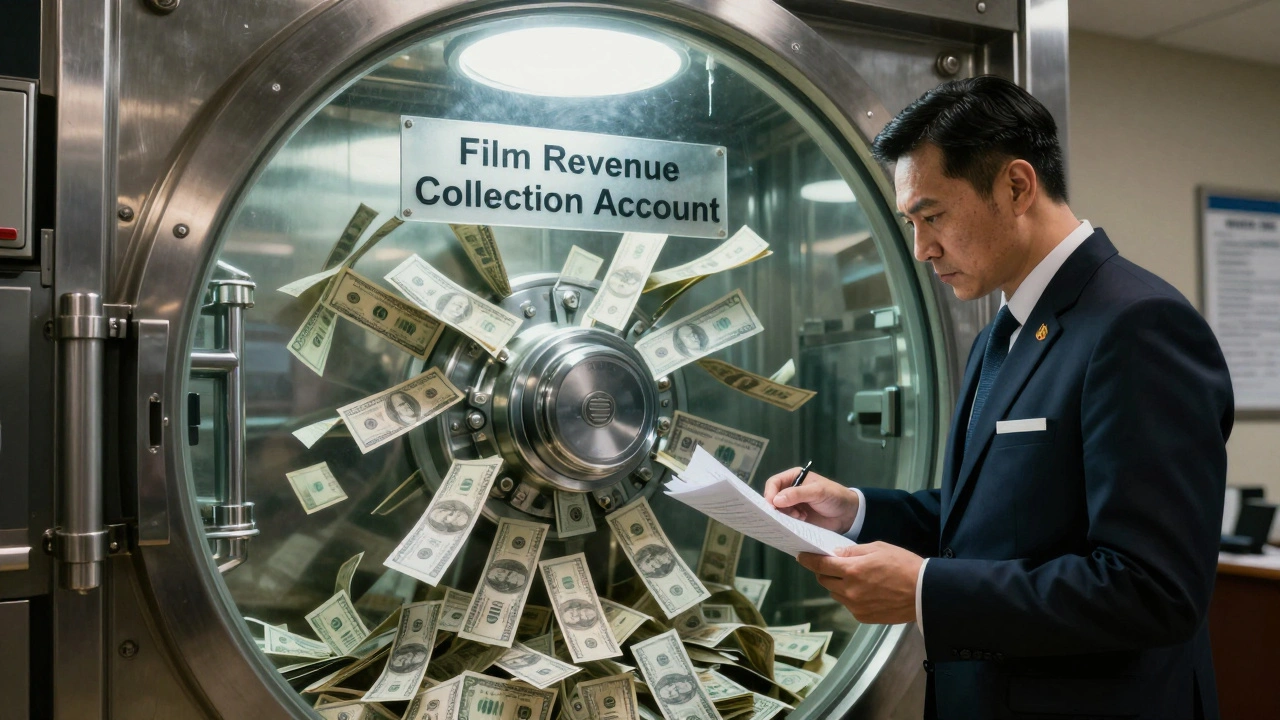
Film production finance doesn’t care about talent or vision. It cares about cash flow, risk, and paperwork. That’s why film production finance is the invisible engine behind every movie you watch. Without CAM agreements tracking every dollar, without tax credits making budgets possible, without pre-sales giving producers the green light to shoot—most films would never leave the drawing board. The posts below break down exactly how this system works: how to get money before you shoot, how to avoid insurance denials, how governments lure productions with cash, and why even successful films rarely turn a profit. This isn’t theory. It’s the real, gritty, practical truth of how movies get made.