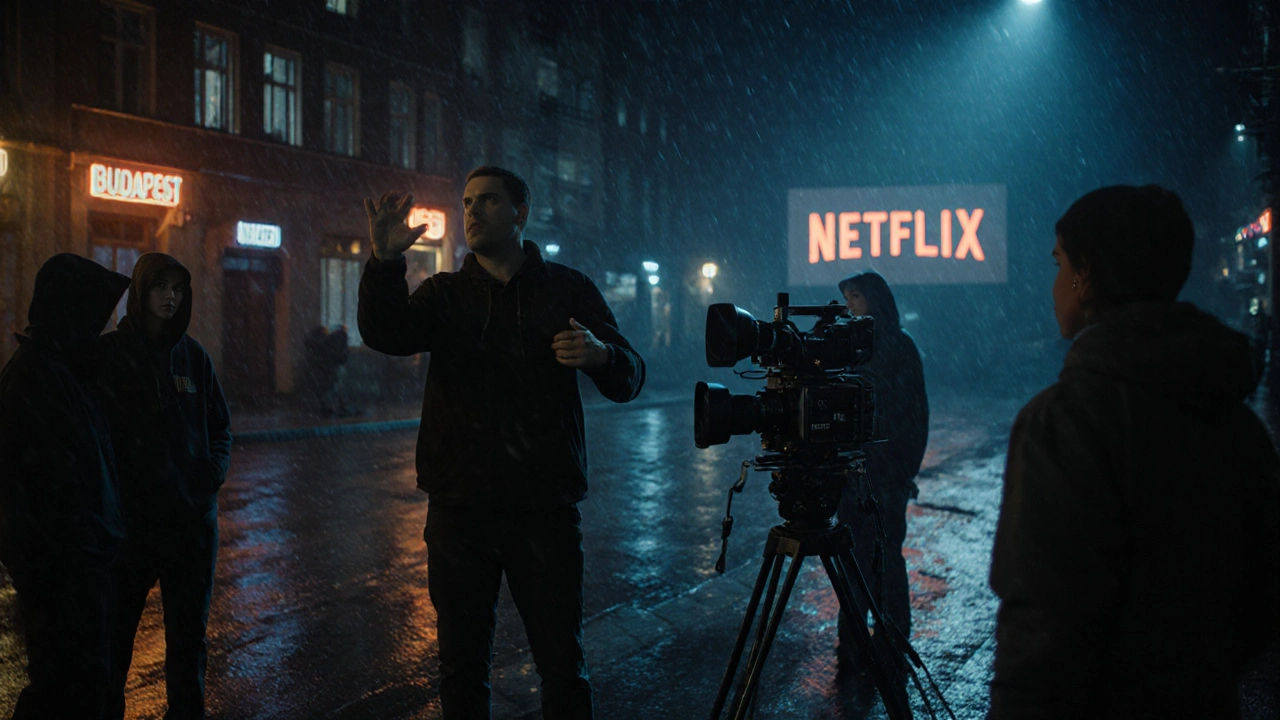
Film Production Deals: How Movies Get Funded, Made, and Sold
When you think of a movie being made, you picture cameras rolling and actors performing—but the real work happens long before that. film production deals, binding agreements that secure funding, distribution, and rights for films before they’re shot. Also known as film financing arrangements, these deals are the backbone of every movie you see, whether it’s a $200 million blockbuster or a $50,000 indie film shot on a smartphone. Without them, most films wouldn’t exist. Studios don’t just write checks—they trade rights, lock in tax credits, and bet on international markets before a single frame is filmed.
One of the most common ways films get made is through presales, contracts where distributors in foreign countries pay upfront for the right to show the film in their territory. This lets producers use those payments as collateral to secure loans and start shooting. It’s how many indie films survive: a director sells the rights to Germany, Japan, and Brazil before filming even begins. Then there’s foreign sales, the process of licensing films to international distributors after production, often through film markets like Cannes or AFM. These aren’t just afterthoughts—they’re the main source of profit for non-Hollywood films. Meanwhile, streaming rights, the licenses that let platforms like Netflix or Amazon stream a film exclusively, have rewritten the rules. A film can now be funded entirely by a streaming deal, skipping theaters altogether. That’s how Nomadland got made—and won an Oscar.
Location matters too. Tax credits in Georgia, Canada, and Hungary lure productions away from Hollywood, slashing budgets by 30% or more. These aren’t just perks—they’re deal-makers. A producer might choose to shoot in Budapest not because it looks like New York, but because the government gives back 40% of the spend. And it’s not just about money. Deals often include creative controls, release windows, and even clawbacks if a film underperforms. The biggest streamers don’t just buy movies—they negotiate how long they stay exclusive, whether they can edit them, and how much marketing support they’ll get.
What you’ll find below isn’t a list of random articles—it’s a real-world map of how these deals actually work. From how Nollywood films get picked up by Amazon to how microbudget movies use geo-targeted ads to turn local screenings into global buzz, every piece here shows the mechanics behind the magic. You’ll see how art houses survive through brand sponsorships, how Chinese-Indian co-productions hit walls because of censorship, and why some films only appear on one streaming service. This isn’t theory. These are the deals that decide what ends up on your screen—and who gets paid when it does.