How to Value Film Libraries: Catalog Sales and Appraisal Methods
Learn how film libraries are valued, appraised, and sold. Understand the financial drivers behind catalog sales and what makes classic films worth millions today.
When you own a collection of films—whether it’s ten indie titles or a hundred documentaries—you’re not just holding files or DVDs. You’re holding film library valuation, the process of determining the financial worth of a catalog of motion pictures based on rights, demand, and market potential. Also known as movie catalog worth, it’s what investors, distributors, and streamers look at before they write a check. This isn’t about how many views your films got last month. It’s about what they can earn over the next five, ten, even twenty years.
Film rights, the legal control over how a film can be shown, sold, or adapted. Also known as movie rights valuation, it’s the backbone of any film library’s value. A film with global streaming rights is worth far more than one locked to a single country. Films with theatrical, TV, and digital rights bundled together? Even more. That’s why a quiet indie film from 2012 with clean rights and no legal clutter can sell for more than a big-budget movie tangled in royalty disputes. Then there’s film distribution value, how easily and profitably a film can reach audiences through platforms like Netflix, Apple TV, or regional broadcasters. A documentary about climate change might not have had big opening weekend numbers, but if it’s still getting picked up by schools, museums, and streaming services five years later, its distribution value is climbing.
Age matters, but not how you think. A 1980s horror film might seem dated, but if it has a cult following and consistent licensing deals with niche platforms, its value is stable. A new film with no audience yet? Worthless until someone finds it. That’s why catalogs with proven, repeatable demand—like family-friendly animations, true crime docs, or classic foreign films—earn higher multiples. Streaming platforms don’t just buy films. They buy predictability. They buy libraries that keep earning without needing constant marketing.
And don’t forget the hidden players: film asset valuation, the broader financial assessment of a film’s tangible and intangible assets, including intellectual property, brand recognition, and potential for sequels or spin-offs. A single character like Hello Kitty, shown in film library valuation discussions, isn’t just a cartoon. It’s a brand with decades of emotional equity. That’s why a $2 million film with a strong IP can outvalue a $20 million film with no recognizable name.
What you’ll find below isn’t theory. These are real stories from producers who turned forgotten films into income streams, sales agents who cracked the code on catalog pricing, and investors who learned the hard way that a high view count doesn’t equal high value. Whether you’re holding onto your first short film or managing a full catalog, the posts here show you how to turn your library from storage into profit.
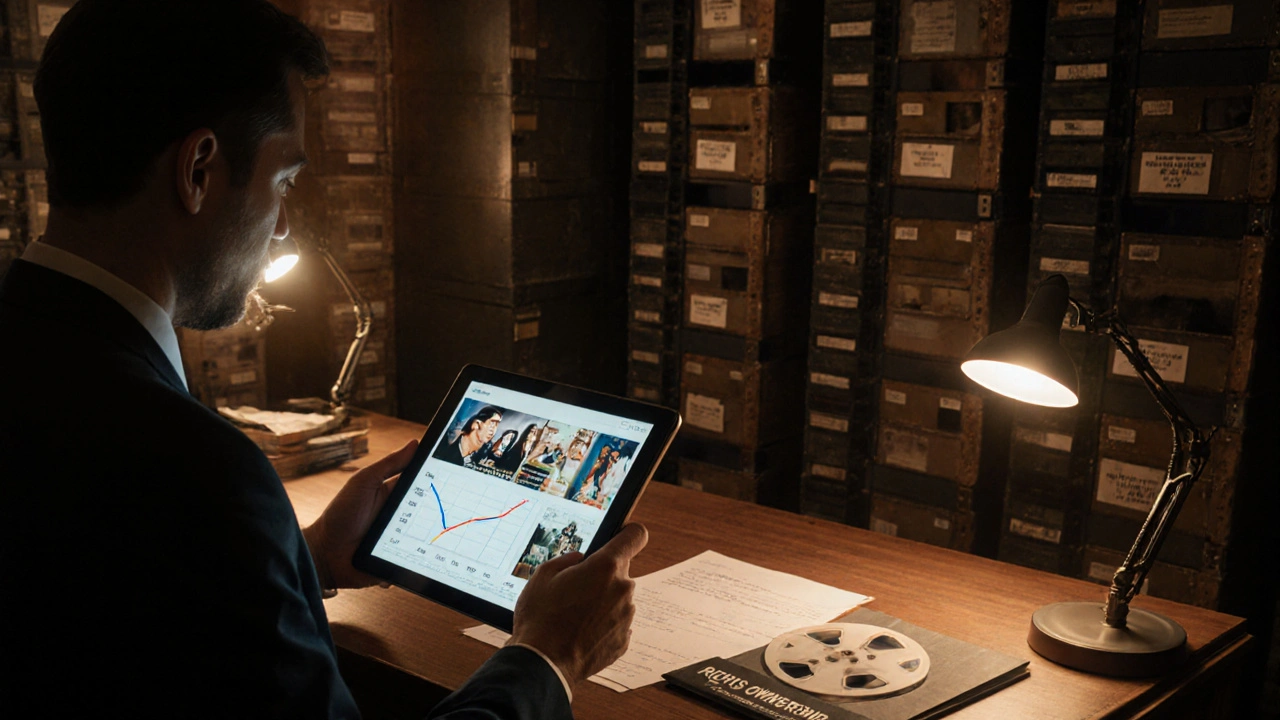
Learn how film libraries are valued, appraised, and sold. Understand the financial drivers behind catalog sales and what makes classic films worth millions today.