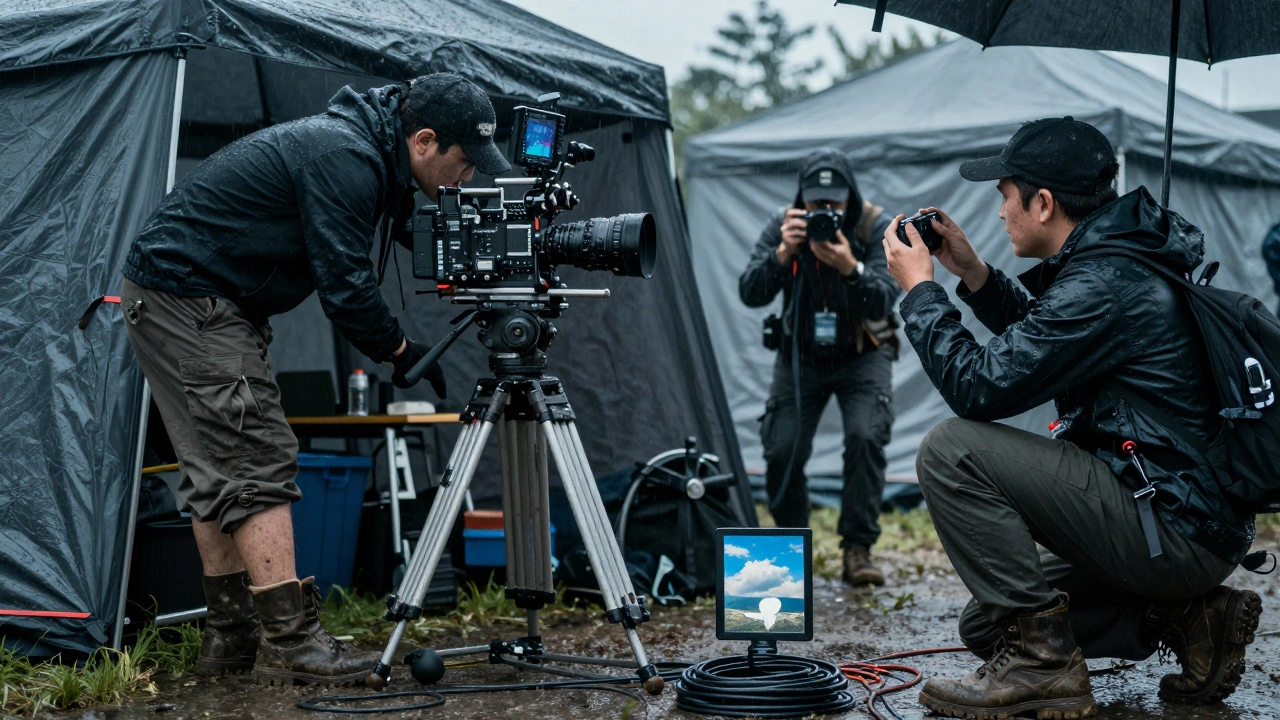
Film Insurance Denial: Why Productions Get Rejected and How to Avoid It
When a film project gets turned down for insurance, it’s not just a paperwork issue—it’s often the difference between shooting next week and shelving the whole thing. film insurance denial, the refusal of coverage by insurers due to risk, incomplete documentation, or lack of proven experience. Also known as production insurance rejection, it happens more often than you think, especially for indie films without a track record. Insurers don’t just look at your budget—they look at your team, your location, your stunt plan, even your past projects. If you’ve never shot a feature before and your script involves car chases in a foreign country with no local crew history, you’re a red flag.
One of the biggest reasons for denial is missing or vague general liability insurance, coverage that protects against accidents involving third parties like injuries or property damage on set. You’d be surprised how many first-time filmmakers think a simple waiver is enough. It’s not. Insurers want proof you’ve got a safety plan, trained crew, and a clear chain of command. Without it, they walk away. Then there’s pre-sales financing, a method where distributors commit to buying rights before filming starts, reducing the insurer’s risk. If you don’t have pre-sales lined up, insurers see your project as a gamble. They’re not in the business of betting—they’re in the business of minimizing loss.
And don’t forget location. Shooting in a state with production incentive programs, cash rebates or tax credits offered by governments to attract film crews helps. Why? Because those programs mean the project is more likely to stay on schedule and within budget. Insurers love that. A film shooting in Louisiana with a 30% cash rebate is seen as less risky than one shooting in a state with no support and a shaky schedule. Even something as simple as having a detailed shooting schedule with backup days built in can make the difference between approval and denial.
It’s not just about having insurance—it’s about proving you know how to use it. Many filmmakers think insurance is a box to check. It’s not. It’s a shield. And if your shield has holes, insurers will see them. They’ll ask for proof of permits, crew CVs, equipment lists, and even weather contingency plans. If you’re flying drones, they’ll want FAA compliance docs. If you’re using stunts, they’ll demand certified coordinators. Skip any of this, and your application gets stamped ‘denied’ before it’s even reviewed.
The good news? Most denials are fixable. You don’t need a Hollywood budget to get insured—you just need to be prepared. That means knowing what insurers care about before you submit. It means having your paperwork in order, your crew vetted, and your risks mapped out. It means understanding that film insurance denial isn’t personal—it’s statistical. And with the right approach, you can turn a rejection into a green light.
Below, you’ll find real stories and practical guides from filmmakers who’ve been there—how they recovered from denied coverage, what documents actually worked, and how they built insurance-friendly productions from the ground up. No fluff. Just what you need to keep your film from getting stuck in limbo before the cameras roll.