Crime Films and Heist Movies: Why Audiences Can't Look Away
Crime films and heist movies captivate audiences with clever plans, charismatic criminals, and the thrill of outsmarting the system. Here's why we can't look away.
When we talk about film genres, categories that group movies by style, tone, and narrative structure. Also known as movie genres, they’re not just labels—they’re blueprints for how stories connect with audiences. A horror film doesn’t just scare you; it builds tension through silence, shadows, and sound design. A documentary doesn’t just inform; it uses real people and events to make you feel something deep. And an animated film? It’s not for kids—it’s a canvas for wild visuals, emotional depth, and storytelling that live-action can’t always pull off.
Film genres are shaped by more than just plot. They’re tied to how movies are made, funded, and shown. Take documentary films, non-fiction stories that capture real life, often for social or emotional impact. Today, they’re split between binge-worthy streaming series and tight, powerful feature-length cuts. Streaming platforms use them differently: one for engagement over weeks, the other for awards season buzz. And it’s not just about length—it’s about how they’re marketed. Trade ads, festival surprise drops, and geo-targeted campaigns all depend on genre expectations. A horror fan knows what to expect. A documentary viewer looks for truth, not spectacle.
Then there’s animated films, movies built frame by frame, using hand-drawn, 3D, or stop-motion techniques to tell stories beyond the limits of reality. These aren’t just for children. In 2025, animated films are winning Oscars, breaking box office records, and pushing VFX boundaries with tools like Blender and LED volumes. Studios know this. They invest in animation because it’s scalable, reusable, and globally understood. Meanwhile, genres like art-house cinema survive not on mass appeal but on sponsorships, niche festivals, and passionate audiences who value style over spectacle. Even silence—once the domain of silent films—is now a genre tool. Used in thrillers, dramas, and even comedies, it’s not an absence of sound. It’s a deliberate choice.
Film genres evolve. They’re not fixed boxes. A movie can blend horror and comedy. A documentary can use animation to explain complex ideas. A microbudget film might borrow the pacing of a thriller but tell a quiet, personal story. What matters isn’t the label—it’s how well the story uses the genre’s tools. Whether it’s the emotional weight of a silent moment, the visual magic of motion capture, or the raw energy of Nollywood storytelling, genres give filmmakers a language. And audiences? They speak it fluently.
Below, you’ll find real-world breakdowns of how genres shape everything from funding and distribution to audience reach and award campaigns. No theory. No fluff. Just how it actually works.
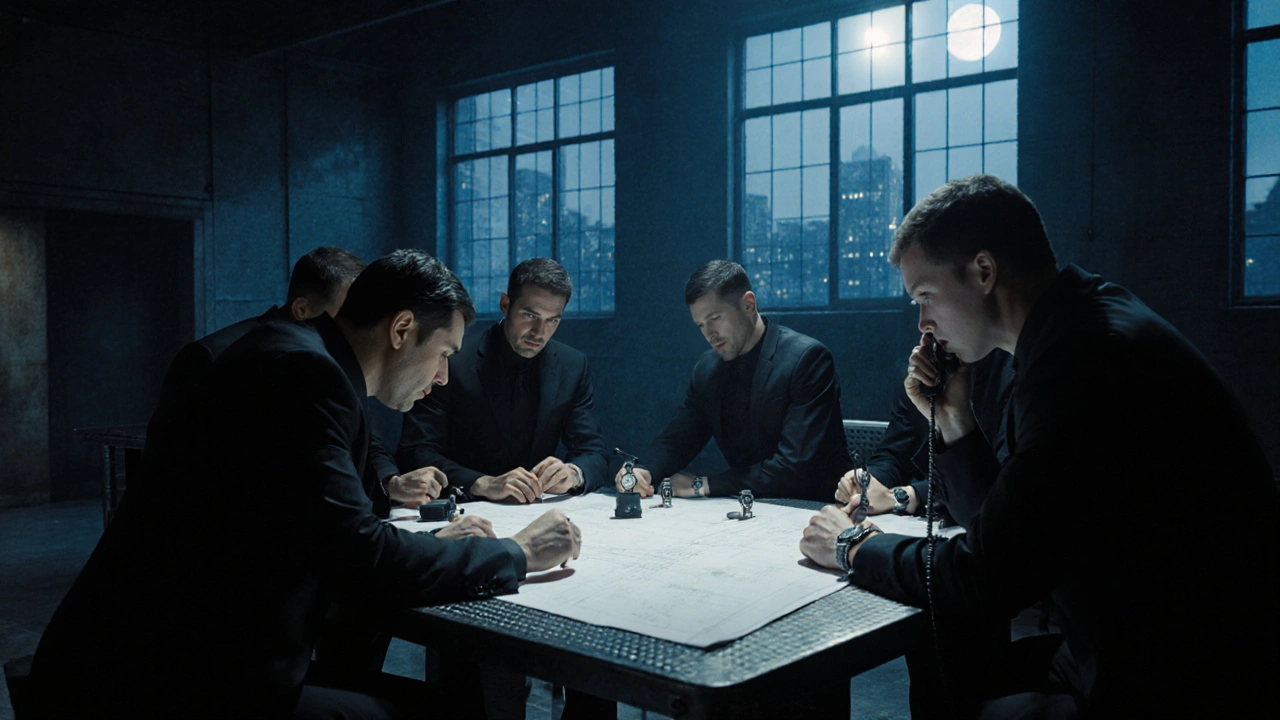
Crime films and heist movies captivate audiences with clever plans, charismatic criminals, and the thrill of outsmarting the system. Here's why we can't look away.