Film Framing: How Camera Composition Shapes Storytelling in Movies
When you watch a movie and something feels off—even if you can’t say why—it’s often because of film framing, the deliberate arrangement of visual elements within the camera’s view to guide attention, mood, and meaning. Also known as camera composition, it’s the silent language of cinema that tells you who matters, what’s at stake, and how to feel about it—all without a single word. Great framing doesn’t just show you a scene; it pulls you into the character’s head, makes you hold your breath, or pushes you away from the action. It’s not about fancy gear or big budgets. It’s about choices: how far back to pull the camera, whether to center the subject, or if the frame should feel tight, chaotic, or open.
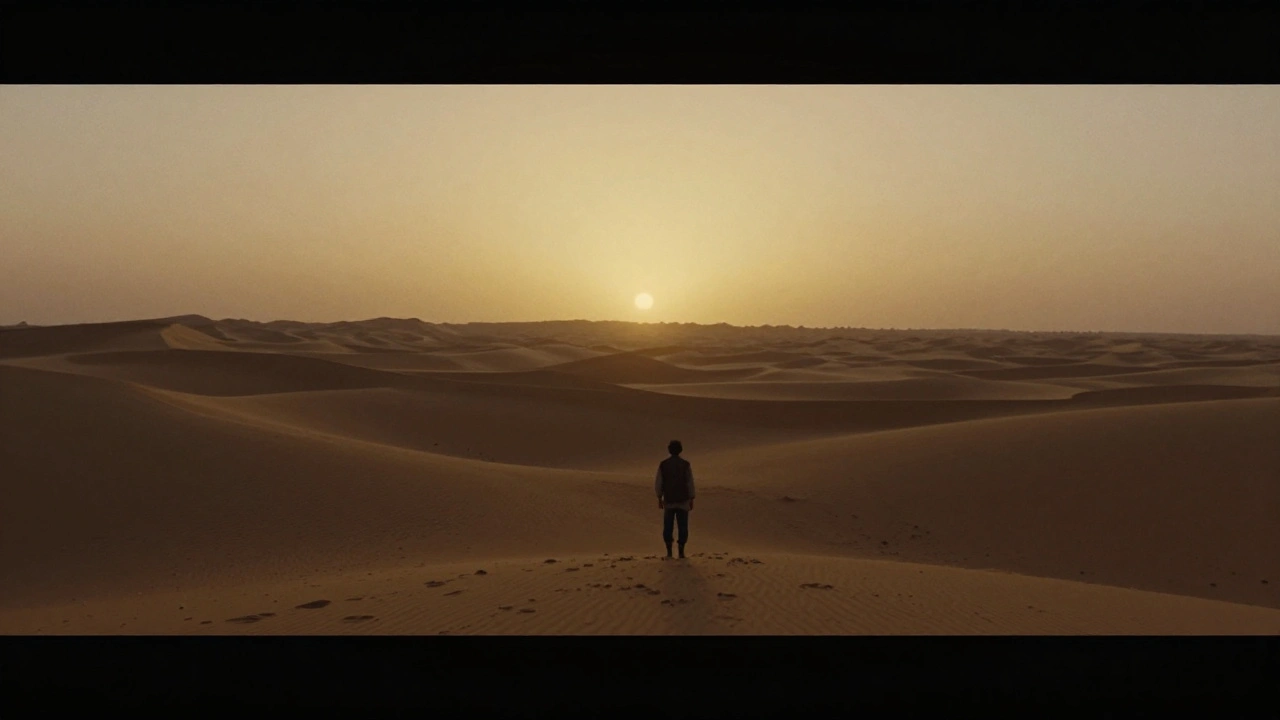
Think of static framing, a fixed camera position that creates stillness, tension, or emotional weight. It’s used in quiet moments when the story needs to breathe—like a character staring out a window after bad news. Then there’s dynamic framing, camera movement that drives energy, urgency, or chaos. A tracking shot following a runner through a hallway isn’t just showing motion—it’s making you feel like you’re running too. These aren’t just techniques; they’re tools that shape how stories land. Directors and cinematographers use framing to hide or reveal information, to isolate a character, or to trap them in the frame—literally. In horror, a tight close-up on an eye can be scarier than any monster. In drama, a wide shot with a tiny figure in the distance can scream loneliness.
Film framing doesn’t exist in a vacuum. It’s tied to lighting, set design, and even how actors move. A cluttered background might distract, or it might add depth. A low-angle shot can make someone look powerful—or dangerous. A tilted frame? That’s not a mistake. That’s unease. You’ll find these ideas running through every post below: how texture on a set affects how light hits a face, how drone shots change the scale of a scene, how POV shots make you feel like you’re living the fear. Some of these posts dive into camera movement, others into how framing choices affect audience perception or even box office success. You’ll see how real filmmakers use framing to solve problems—like shooting action scenes in the rain, or making a low-budget set look expensive. This isn’t theory. It’s what happens on set, in the editing room, and in the minds of viewers who don’t even know they’re being guided. What you’re about to read isn’t a textbook. It’s the real talk from people who’ve been there, figured it out, and kept shooting anyway.