Film Festival Controversies
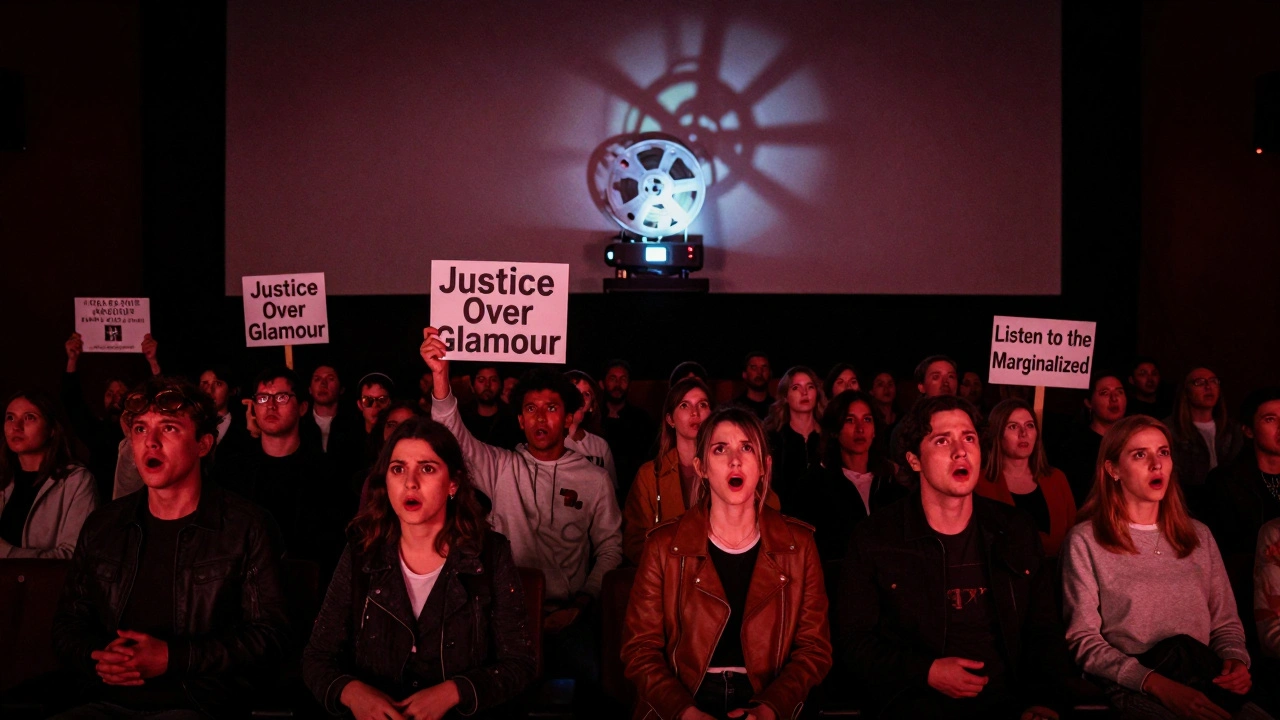
When a film festival makes headlines, it’s rarely for the movies alone. Film festival controversies, public disputes over selection, representation, or conduct at major film events like Cannes, Sundance, or Venice. These aren’t just gossip—they’re flashpoints for deeper issues in how cinema is made, who gets seen, and who gets to decide. Think of the 2017 Cannes lineup that ignored female directors for the Palme d’Or, or the 2022 Sundance backlash over a documentary that exploited trauma without consent. These moments didn’t vanish after the credits rolled. They sparked boycotts, petitions, and real policy changes.
Behind every controversy is a clash of values. Diversity in film festivals, the push for inclusion of women, people of color, LGBTQ+ creators, and global voices in programming isn’t just a buzzword—it’s a demand backed by data. A 2023 study showed that 78% of audiences now expect festivals to reflect the world’s diversity, not just Hollywood’s old guard. And when festivals ignore that, they lose trust. Then there’s film industry ethics, the standards around consent, power, and accountability on and off screen. The #MeToo movement didn’t stop at Hollywood studios—it reached the jury rooms and gala dinners of Venice and Toronto. When a producer with a history of abuse gets a premiere slot, or when an actor’s misconduct is swept under the rug for the sake of a star-studded premiere, the festival becomes part of the problem.
It’s not all bad news. Some festivals are using controversy as fuel for reform. Locarno now requires gender-balanced juries. Berlin has a transparency portal for selection criteria. Even Cannes, long criticized for its male-dominated lineup, started handing out more awards to women filmmakers after years of protest. These aren’t perfect fixes, but they’re steps. And they’re happening because audiences noticed, spoke up, and refused to stay quiet.
What you’ll find in this collection isn’t just a list of scandals. It’s the real stories behind the headlines—the quiet decisions, the ignored warnings, the moments when someone said no and changed the course of a festival. From how programming committees choose films that spark outrage, to how intimacy coordinators now sit on festival panels, to why some indie films get banned for being too honest—these posts break down the mechanics of the mess. You’ll see how financial pressures, political lobbying, and personal biases shape what ends up on screen. And you’ll see how the next generation of filmmakers is pushing back—not with hashtags alone, but with better scripts, tighter alliances, and louder voices.