Film Diversity Scorecards: How Studios Measure Inclusion on Screen and Behind the Camera
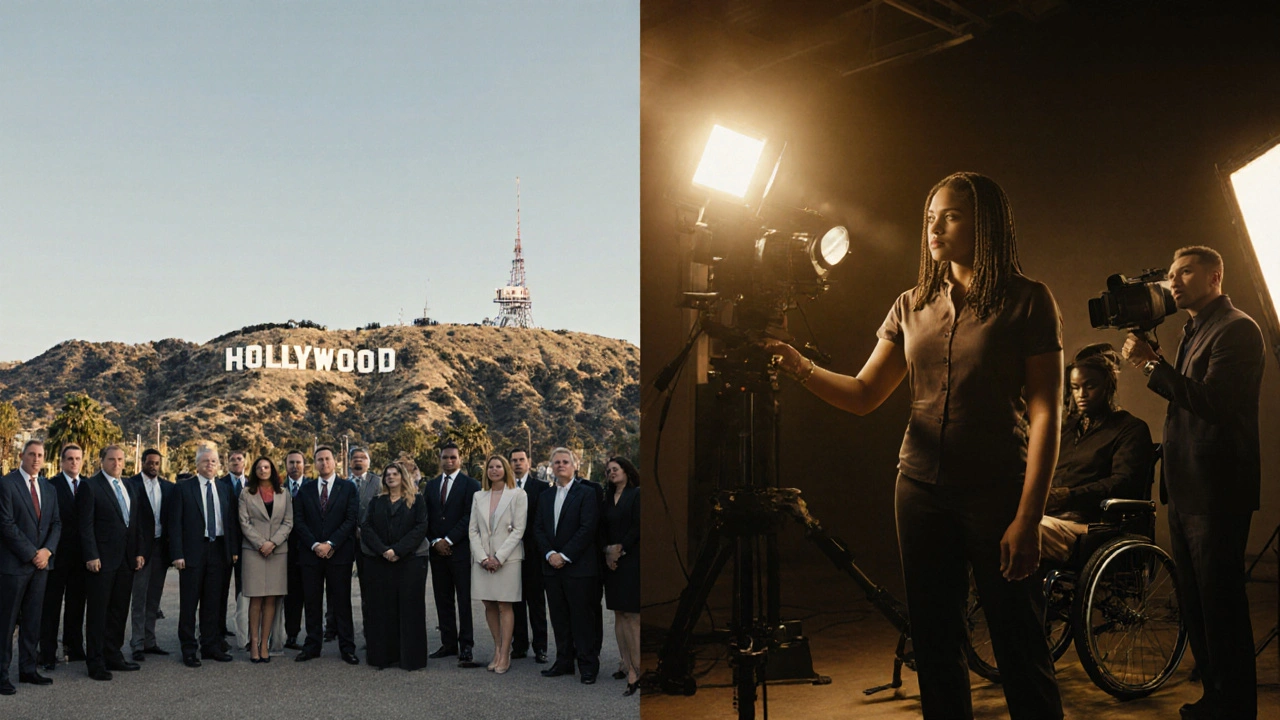
When we talk about film diversity scorecards, systematic tools used by studios and producers to track representation across race, gender, disability, and LGBTQ+ identity in front of and behind the camera. Also known as inclusion metrics, they’re no longer optional reports—they’re now part of funding agreements, distribution deals, and even Oscar eligibility checks. These scorecards don’t just count faces. They track hiring patterns: who’s directing, who’s writing, who’s in the camera crew, and who’s getting paid equally. It’s not about checking a box. It’s about asking: does this film look like the world we live in?
Behind every successful diversity scorecard are real data points. For example, the Annenberg Inclusion Initiative found that in 2023, only 32% of lead actors in top-grossing films were women, and just 17% were from underrepresented racial or ethnic groups. But those numbers jumped to 48% and 31% in films that used scorecards as a hiring guideline. The difference? Studios like A24 and Netflix started tying financing to these metrics. If your script didn’t pass a basic inclusion threshold, you didn’t get the green light. And it’s not just Hollywood. Countries like Canada and the UK now require diversity reporting for public film funding. This isn’t activism—it’s business. Audiences notice. Streaming platforms track engagement. Films with diverse casts and crews consistently outperform expectations, especially with younger viewers.
These scorecards also expose hidden gaps. A film might have a Black lead actor but still hire all white writers and producers. Or it might feature a disabled character but cast an able-bodied actor. That’s why the best scorecards don’t stop at casting—they track crew roles, production locations, and even post-production teams. They ask: who’s editing the film? Who’s doing the sound design? Who’s managing the budget? Real change happens when diversity moves from the screen to the control room.
What you’ll find in this collection are real stories from filmmakers who used these tools to fight for change, studios that got it right (and those that didn’t), and the quiet revolution happening in indie film where diversity isn’t a buzzword—it’s the only way to survive. These aren’t theoretical guides. They’re battle-tested strategies from people who’ve been in the room when the numbers mattered.