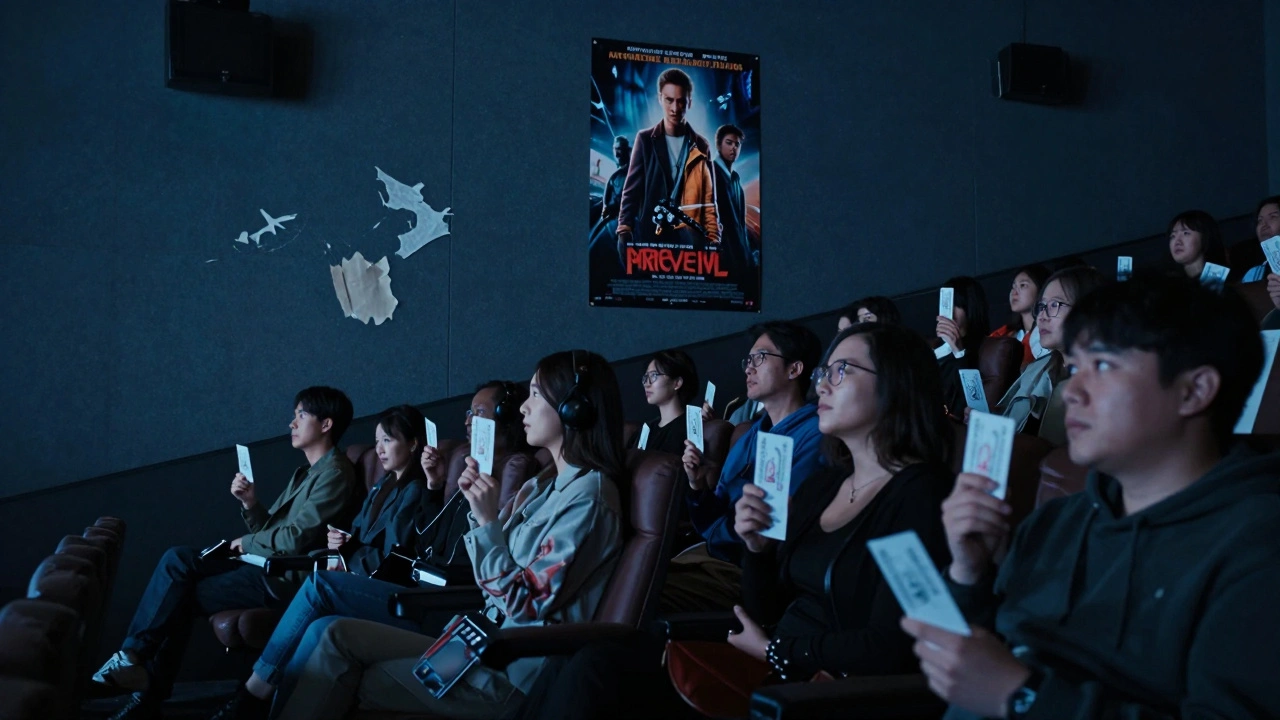
Film Development: How Movies Move from Idea to Screen
When you think of a movie, you probably picture the final product—the big screen, the sound, the actors. But film development, the early stage where a movie idea is shaped, funded, and prepared for production. Also known as pre-production planning, it’s where most films live or die before a single frame is shot. This isn’t just writing a script. It’s finding money, convincing people to care, figuring out who’ll direct it, and deciding if it can even make sense in today’s crowded market. A great idea doesn’t mean a movie gets made. It means you’ve just started the real work.
Behind every film that reaches theaters or streaming platforms, there’s a long chain of decisions. film financing, the process of securing funds to make a movie. Also known as movie funding, it’s often the biggest hurdle for indie filmmakers. Some use slate financing—bundling multiple projects to attract investors. Others rely on private backers, grants, or even crowdfunding. Without the right financial structure, even the most brilliant script gathers dust. And once you have money, you need to know who’ll distribute it. That’s where film distribution, how a finished film reaches audiences through theaters, streaming, or TV. Also known as film release strategy, it’s the final gate before viewers ever see your work. You can make a perfect film, but if no one knows it exists, it’s invisible.
Film development also involves pitching—especially to streamers like Netflix or Apple TV+. Buyers don’t just want good stories. They want stories that fit their audience, fit their budget, and fit their brand. That’s why many indie films now start with a clear market in mind. It’s not just about art anymore. It’s about strategy. Who’s your audience? Where do they watch? What’s already out there? The best filmmakers don’t just write scripts—they build business cases.
You’ll find real examples here: how producers pitched documentaries to festivals, how animated shorts got funded, how sales agents closed deals at film markets. These aren’t theoretical guides. They’re the actual tactics used by people who made it happen. Whether you’re trying to get your first short made or thinking about building a film slate, the lessons here are practical, not polished. No fluff. No hype. Just what works when you’re working with little money and big dreams.