Film Crew Insurance: What It Covers and Why Indie Filmmakers Can't Skip It
When you're shooting a film, film crew insurance, a type of coverage that protects production teams from accidents, equipment damage, and legal claims during filming. Also known as production insurance, it's not optional—it's the safety net that keeps your shoot from becoming a financial disaster. Most people think it’s just for big studios, but the truth is, even a three-person team with a DSLR and a borrowed van needs it. One slip on a wet floor, one broken camera, one injured grip—without coverage, you’re on the hook for thousands.
Crew liability coverage, a core part of film crew insurance that protects against injuries or property damage caused by your team, is the most common claim. Think of it like car insurance: you hope you never need it, but you’d be crazy to drive without it. Then there’s equipment insurance, coverage that replaces or repairs cameras, lights, drones, and sound gear if they’re damaged, stolen, or lost. On indie shoots, gear is often rented or borrowed—so if something breaks, you pay. And if you’re filming on private property? location liability insurance, protection against claims if your shoot damages a building, park, or business is required by most owners. Without it, you won’t get permits. Period.
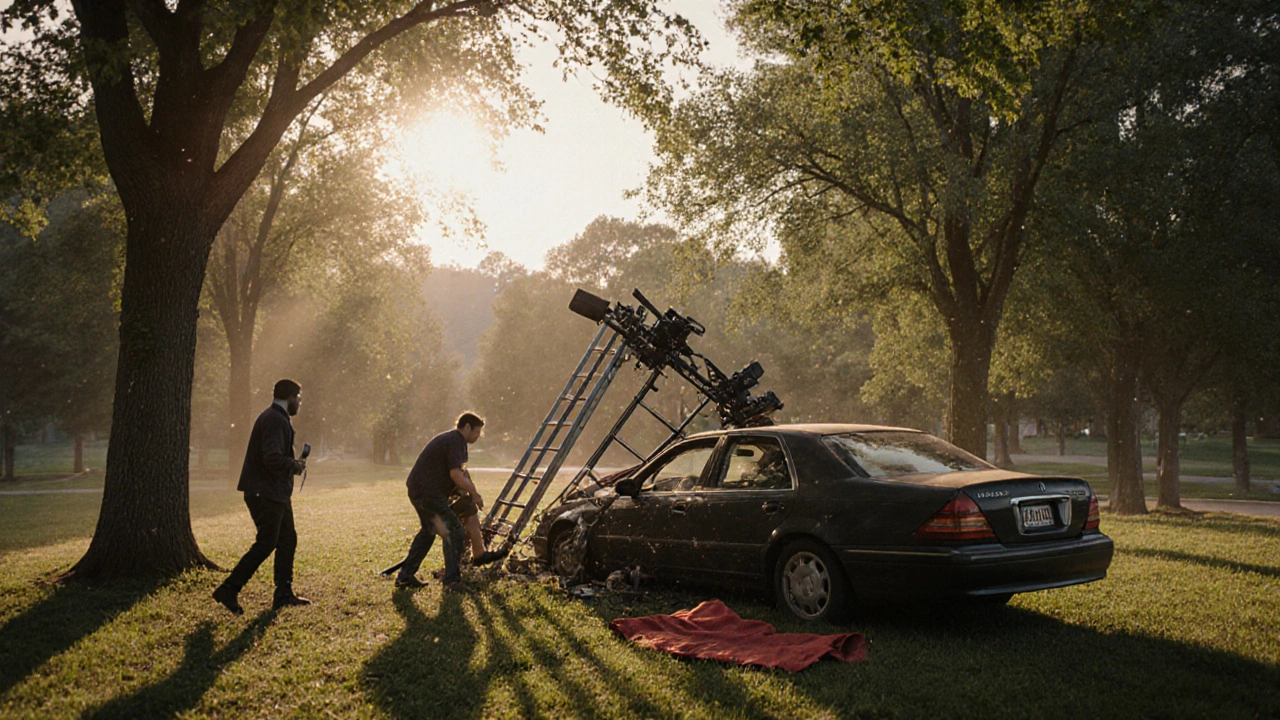
Here’s the catch: many indie filmmakers skip it because they think they’re too small, too cheap, or too lucky. But the posts below show real cases where crews lost everything—not because they were reckless, but because they didn’t have the right protection. One team lost their entire camera package when a rental van flipped. Another got sued after a stunt went wrong. A third couldn’t finish their film because their location pulled out after a minor accident. These aren’t rare stories. They’re standard risks in low-budget filmmaking.
And it’s not just about money. Many distributors, festivals, and streaming platforms require proof of insurance before accepting your film. No policy? No premiere. No screening. No chance to be seen. That’s not a rumor—it’s industry standard. Even if you’re self-releasing, having coverage gives you peace of mind and credibility. It tells people you’re serious.
What you’ll find in the collection below are real stories from filmmakers who’ve been there: how they cut insurance costs without cutting corners, what policies actually cover (and what they don’t), and how to negotiate with brokers when you’re working with $5,000 instead of $5 million. You’ll learn about film crew insurance in practice—not theory. From deferred pay structures to last-minute coverage hacks, these posts give you the tools to protect your project before it’s too late.