Film Casting Trends: How Auditions, Influencers, and Diversity Are Reshaping Hollywood
When you think of film casting trends, the evolving methods studios use to select actors for roles, influenced by technology, audience demand, and industry pressure. Also known as modern actor selection, it no longer starts with a headshot and an audition room. The old system—where agents submitted actors, directors held closed callbacks, and training from drama schools mattered most—is fading. Today, casting decisions are shaped by data, visibility, and real-world influence, not just résumés.
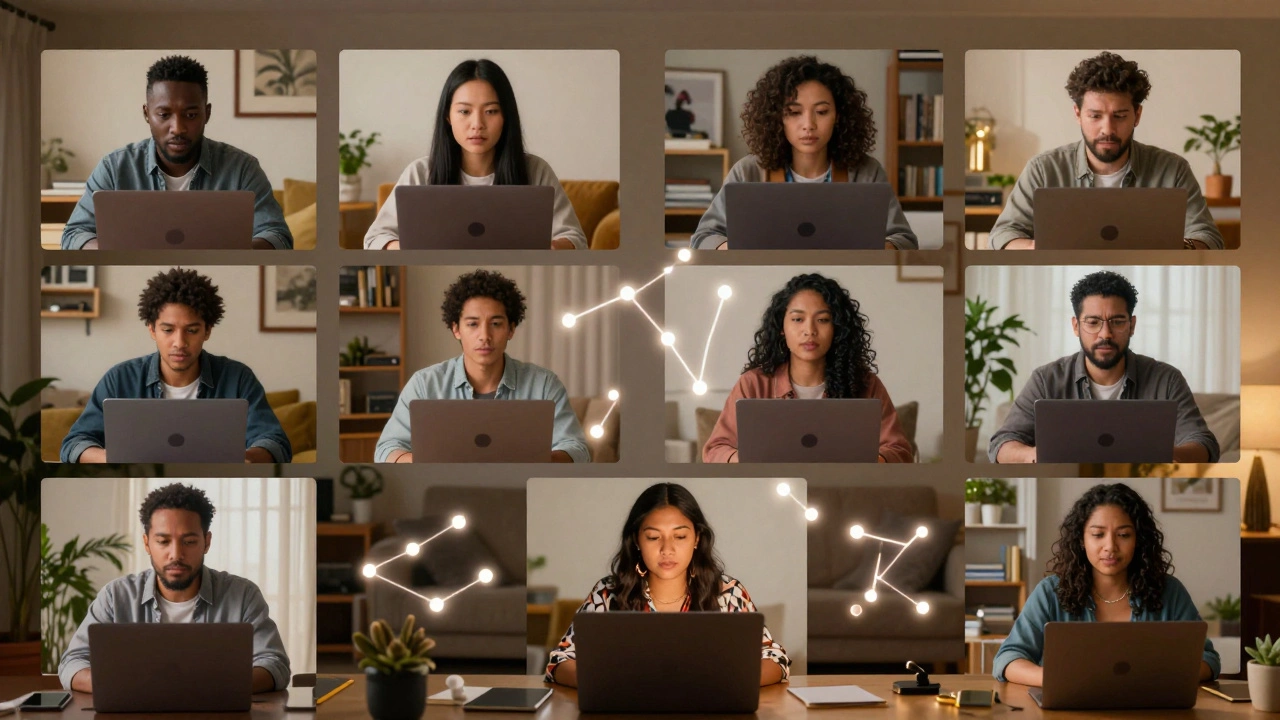
One major shift is non-traditional casting, the practice of hiring actors outside the traditional pipeline, like social media creators or unknown performers with strong online followings. Studios now look at TikTok followers, Instagram engagement, and viral moments as proof of screen presence. An influencer with 500K followers who naturally connects with viewers can land a lead role before they’ve ever stepped on a set. This isn’t a fluke—it’s strategy. Brands and studios know authenticity sells, and audiences trust people who feel real, not polished.
Then there’s emerging film actors, new talents breaking through without studio backing, traditional training, or celebrity connections. These aren’t just kids lucky enough to be in the right room. They’re people who built audiences by being themselves—posting monologues, short films, or even just raw reactions. Studios are scouting them directly, bypassing agents and open calls. And it’s working: films with fresh, diverse leads often outperform expectations at the box office and on streaming.
Behind all this is the quiet but powerful force of film diversity scorecards, measurable tools that track race, gender, disability, and LGBTQ+ representation in casting and crew roles. These aren’t just feel-good metrics—they’re financial ones. Data shows films with inclusive casts earn more, attract wider audiences, and get picked up faster by global platforms. Studios aren’t casting for virtue; they’re casting for profit. And that’s why you’re seeing more leads who look like the real world.
It’s not just about who gets cast—it’s how they’re chosen. Actor availability now drives franchise schedules. A star’s contract renewal can delay a sequel by a year. A director’s preference for unknowns over veterans can flip a whole casting list. Even social media reactions to early cast announcements can force studios to recast—because audiences notice, and they vote with their clicks.
What you’re seeing now isn’t chaos. It’s a reset. The people who used to control access—casting directors, agencies, studio execs—are sharing power with algorithms, audiences, and real-life visibility. The best roles aren’t going to the most trained anymore. They’re going to the most compelling. The most authentic. The most watched.
Below, you’ll find real examples of how these shifts play out—from influencers landing leading roles to indie films winning Oscars with casts no one saw coming. These aren’t predictions. They’re what’s already happening.