Crew Rate Negotiations on Indie Films: How to Stay Fair and on Budget
Learn how to negotiate fair crew rates on indie films without blowing your budget. Real pay standards, deferred pay tips, and how to keep your team loyal on low-budget shoots.
When you hear film budget negotiation, the process of agreeing on how much money a movie will cost and who pays for each part. Also known as movie financing talks, it’s the quiet battle that decides whether a film gets made—or dies before the first frame is shot. It’s not just the director and producer haggling over a number. It’s investors, studios, tax credit agencies, distributors, and even talent all trying to protect their piece of a very uncertain pie.
Film financing, the system of raising money to produce a movie is built on layers: tax credits from states like Georgia or Canada, pre-sales to foreign distributors, private investors betting on a script, and sometimes crowdfunding. But none of it matters unless the CAM agreements, third-party financial controls that track where every dollar from a movie goes are in place. Without them, even a hit film can vanish into accounting black holes. These agreements aren’t glamorous, but they’re the reason some indie films actually pay back their backers.
Who wins in film budget negotiation? Usually, the people with leverage. A big-name actor can demand upfront cash over backend points. A producer with a proven track record can lock in lower interest rates from lenders. Streaming platforms now dictate budgets by offering flat fees—sometimes less than what a film would make in theaters. And when tax credits are involved, every dollar spent on local crew, hotels, and equipment becomes a dollar you can claw back from the government. That’s why some films shoot in Louisiana or the UK, not because of the scenery, but because the math adds up.
There’s a reason why so many films go over budget. It’s not always mismanagement. Sometimes, it’s because the initial number was a fantasy. A studio wants a blockbuster, but the script calls for a $120 million visual effects pipeline. The producer says no. The studio says, "We’ll find a way." And then the negotiations start—cutting locations, delaying shoots, swapping CGI for practical effects. The real skill isn’t in spending money. It’s in knowing what you can live without.
Behind every budget is a web of risk. Investors want returns. Talent wants guarantees. Distributors want marketable films. And the filmmaker? They just want to make the movie they envisioned. The best film budget negotiation doesn’t mean the biggest number. It means the one that lets everyone walk away with something—without burning the project to the ground.
Below, you’ll find real breakdowns of how money moves in film—from the first pitch to the final payout. Whether it’s how pre-sales unlock funding, why some films never turn a profit, or how production incentives shape where movies get made, these articles show the system as it actually works—not as Hollywood pretends it does.
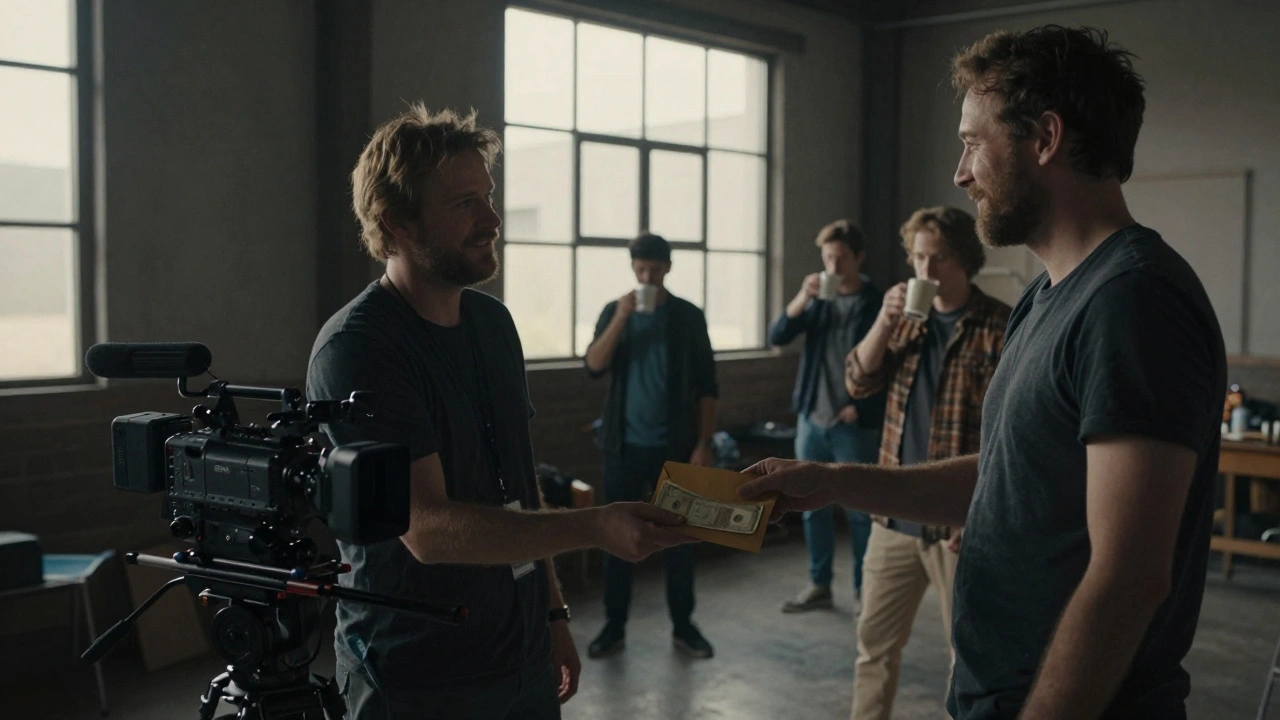
Learn how to negotiate fair crew rates on indie films without blowing your budget. Real pay standards, deferred pay tips, and how to keep your team loyal on low-budget shoots.