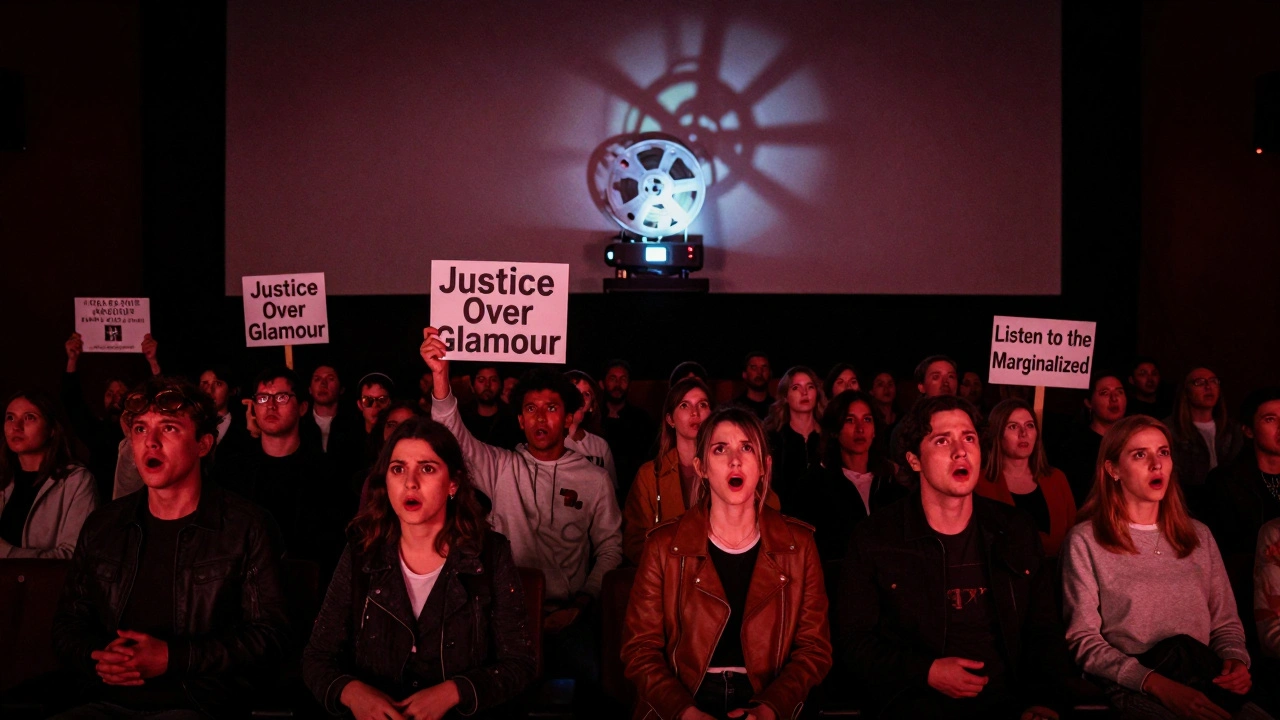
Festival Selection Bias: Why Some Films Get Seen and Others Don't
When a film gets picked for Cannes, Sundance, or TIFF, it’s easy to assume it’s the best one out there. But festival selection bias, the hidden system that favors certain types of films over others at major festivals. Also known as curatorial gatekeeping, it’s not about quality alone—it’s about who’s voting, what they’re looking for, and what fits their narrative. This isn’t a secret, but it’s rarely talked about openly. The same handful of directors, production companies, and countries keep showing up. A film shot in Eastern Europe with a slow pace and a tragic ending? Likely to get in. A bright, fast-paced comedy from a first-time American filmmaker? Probably not, unless it’s got a star attached or a Netflix deal behind it.
film festivals, the gateways where indie films gain legitimacy and distribution. Also known as cinema launching pads, they’re not just showcases—they’re marketplaces, talent scouts, and award engines all in one. But they don’t pick films randomly. They pick films that fit a mold: visually poetic, thematically heavy, politically safe, or culturally exotic enough to feel ‘international’ without being too challenging. That’s why you see the same types of stories repeated year after year. It’s not that other stories don’t exist—they just don’t fit the festival algorithm. And that algorithm is shaped by programmers who often come from the same elite film schools, attend the same industry events, and share the same tastes. Meanwhile, films from smaller regions, unconventional formats, or genre-driven plots get left out—even if they’re wildly original or emotionally powerful.
This bias doesn’t just affect filmmakers—it affects audiences. When festivals decide what’s worthy, streaming services and distributors follow suit. That means you’re more likely to see a somber drama about grief in rural Norway than a sharp, funny thriller from Lagos or a low-budget sci-fi flick made on a smartphone. indie film distribution, how small films reach viewers after festivals. Also known as post-festival life, it’s a chain reaction: if a film doesn’t get into a top festival, it rarely gets seen at all. And award season politics, the behind-the-scenes maneuvering that turns festival picks into Oscar contenders. Also known as campaigning culture, it rewards films that already have festival credibility, creating a feedback loop that keeps the same films winning. You don’t need to agree with the system to understand it. You just need to know it exists. Below, you’ll find real insights from people who’ve been inside the machine—what gets flagged, what gets ignored, and why some films make it while others don’t, no matter how good they are.