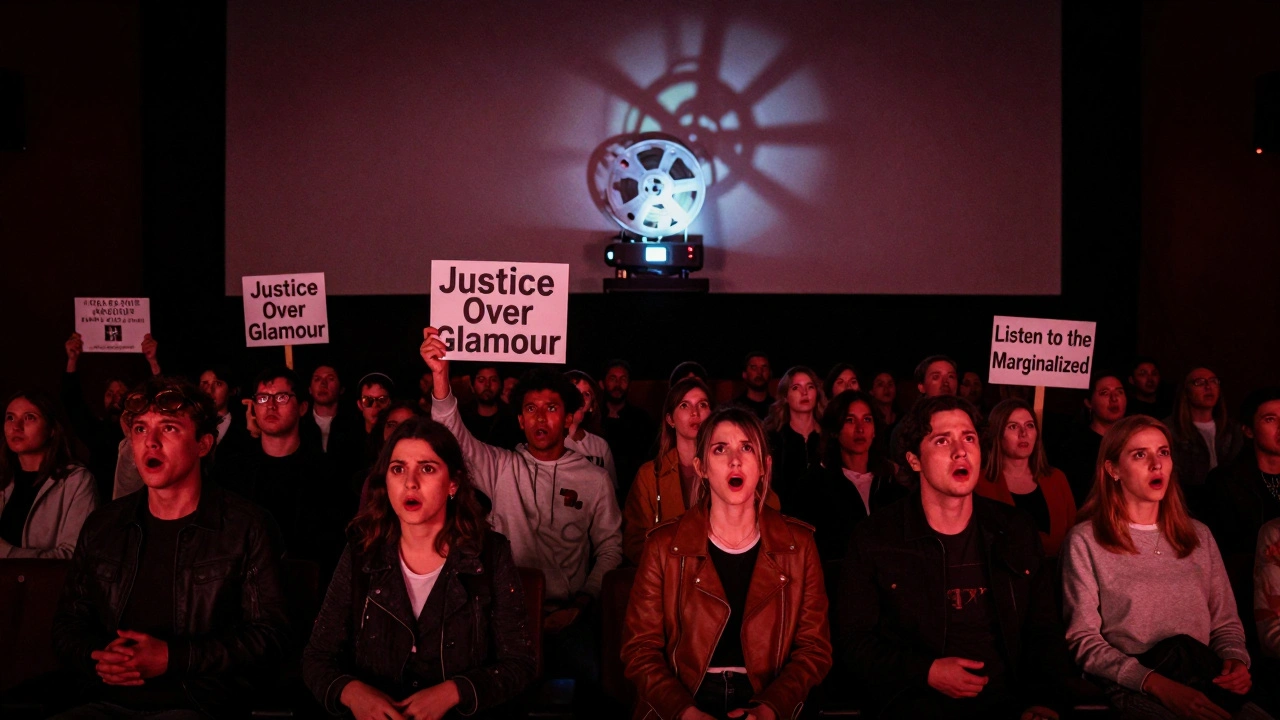
Festival Programming: How Film Festivals Choose What Wins
When you think of film festivals, you picture red carpets and standing ovations—but what happens before the lights go down? festival programming, the process of selecting, organizing, and scheduling films for public screening at festivals. It’s not just about picking the best movies—it’s about building a story, a mood, and a conversation that lasts beyond the runtime. Behind every lineup, there’s a team of curators, programmers, and industry insiders who spend months watching hundreds of films, weighing artistic risk against audience appeal, and trying to predict what will resonate next season.
Festival programming isn’t random. It’s shaped by film festivals, organized events that showcase new and independent cinema to audiences, critics, and distributors, and the goals they serve. Sundance pushes for bold debuts. Cannes rewards ambition and craft. Toronto leans into awards potential. And smaller festivals? They often spotlight underrepresented voices or niche genres like experimental shorts or regional co-productions. The films that make the cut don’t just meet technical standards—they fit a larger cultural moment. A film about isolation might land at Berlin because it mirrors global anxiety. A documentary on climate justice might thrive at IDFA because the audience expects urgency.
What makes a film stand out in festival programming? It’s rarely just the story. It’s the voice behind the camera, the rhythm of the edit, the way it handles silence or sound. Programmers look for films that feel inevitable—not just well-made, but necessary. They watch for directors who’ve found a unique way to say something, even if the budget was small. They track which submissions come from emerging regions, which ones get picked up by international sales agents, and which ones have already stirred buzz online. The most successful programs don’t just show films—they create connections. A short film shown next to a feature might spark a new trend. A panel on film selection, the curated process of choosing which works are included in a festival’s official lineup might reveal how bias still creeps in, even among well-meaning teams.
And it’s not just about prestige. Festival programming drives careers. A debut that plays at Rotterdam can land a distributor. A documentary that screens at IDFA might get a Netflix deal. Even a rejection can matter—because programmers often keep a list of filmmakers they’ll revisit next year. The system is messy, subjective, and sometimes unfair—but it’s also the most powerful launchpad for independent cinema. What you see on screen is only half the story. The other half? The quiet decisions made by people who spend their days watching films in dark rooms, taking notes, and betting on the next big thing.
Below, you’ll find real insights from the people who know this world inside out—from how submissions get filtered to why some films vanish without a trace, and how the rise of streaming is changing what festivals look for today.