Fan Scholarship in Film: How Audiences Shape Cinema Culture
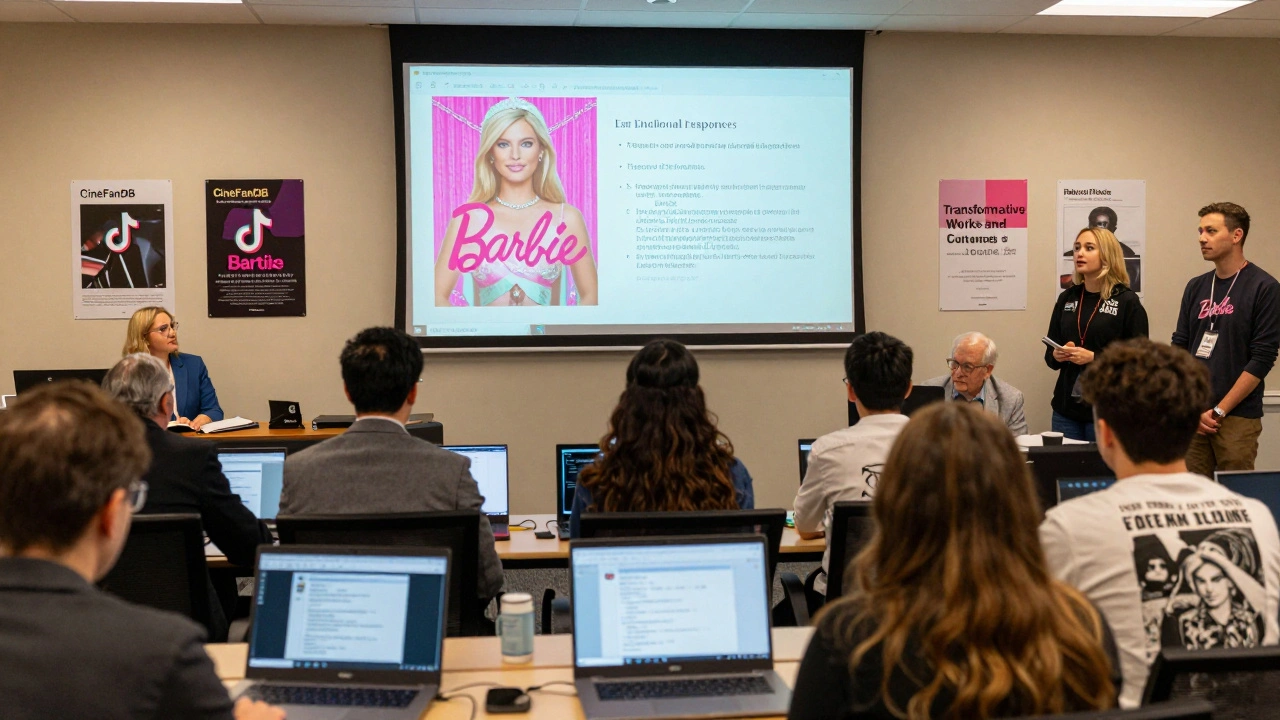
When you break down a film scene frame by frame, argue about a character’s motivation on a forum, or write a 5,000-word essay on why a villain’s costume matters—you’re doing fan scholarship, the practice of rigorous, passionate analysis of film by non-academics who treat cinema as a living, breathing text. Also known as cinematic fandom, it’s not just about liking a movie—it’s about understanding how it works, why it resonates, and who it speaks to. This isn’t new. Back in the 90s, fans of The X-Files mapped out alien hierarchies with more precision than some grad students. Today, TikTok breakdowns of Everything Everywhere All At Once or YouTube deep dives into the symbolism of Barbie are just as detailed, just faster.
Film culture, the shared language, rituals, and meanings audiences build around movies doesn’t exist in a vacuum. It’s shaped by people who don’t get paid to write about film but who care enough to do it anyway. These fans don’t just consume—they interpret, remix, challenge, and sometimes even change how studios think. When fans pushed back on the lack of diversity in Star Wars casting, studios listened. When they dissected the queer subtext in The Power of the Dog, critics took notice. Audience studies, the academic field that examines how viewers interact with media now regularly cites fan blogs, Reddit threads, and Twitter threads as primary sources. The line between fan and scholar is fading because the best analysis often comes from the people who watch the most.
What makes fan scholarship powerful is its raw honesty. No gatekeepers. No pressure to sound "academic." Just real reactions, real questions, and real connections. You’ll find it in the way fans track continuity errors in Game of Thrones spin-offs, or how they rebuild entire backstories for minor characters in Lord of the Rings films. It’s in the memes that become cultural shorthand, the edited trailers that reveal hidden themes, and the fan edits that fix what the studio got wrong. This isn’t just passion—it’s participation. And it’s changing how films are made, marketed, and remembered.
Below, you’ll find real examples of how fan scholarship shows up in film writing—from how readers spot emotional truth in screenplays to how festival programmers respond to audience outcry. These aren’t just articles. They’re proof that the people watching are just as important as the people making the movies.