English Subtitles: How They Shape Global Film Access and Viewing
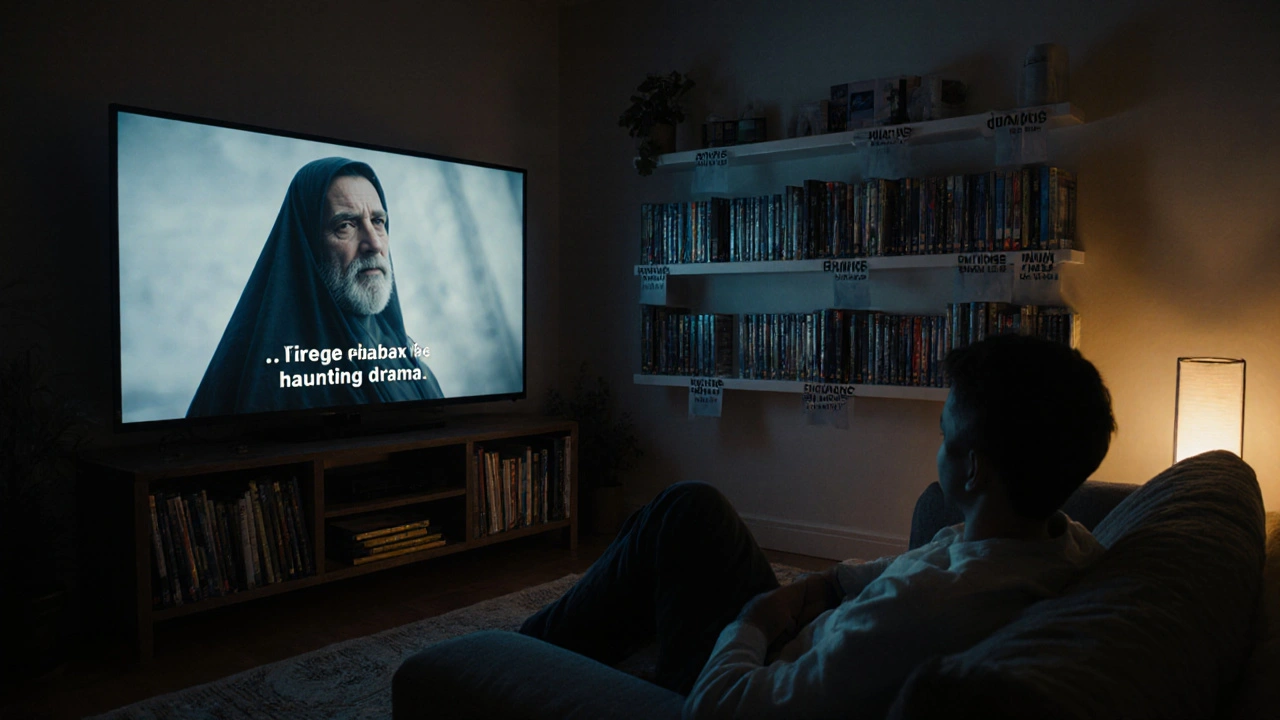
When you watch a foreign film and read words at the bottom of the screen, you’re not just reading—you’re English subtitles, textual translations of spoken dialogue in films, designed to make non-English content understandable to English-speaking audiences. Also known as closed captions, they’re the quiet bridge between cultures, letting you hear a Japanese family’s quiet argument or a French thriller’s tense whisper without losing a single nuance. They’re not just translations. They’re decisions. Every word chosen, every pause timed, every cultural reference adapted affects how you feel the story. A bad subtitle can make a character sound robotic. A great one makes you forget you’re reading at all.
Behind every set of English subtitles, textual translations of spoken dialogue in films, designed to make non-English content understandable to English-speaking audiences is a team balancing accuracy, timing, and emotion. They don’t just translate words—they translate tone. A sarcastic remark in Korean needs the same edge in English. A poetic line in Arabic needs to land like poetry, not a dictionary entry. This is why subtitle translation, the process of converting spoken dialogue into readable text for audiences who don’t speak the original language isn’t just about language skills. It’s about film literacy. It’s about knowing when to cut a line short for pacing, when to add context for clarity, and when to leave something untranslated because the silence says more than words ever could.
And it’s not just about watching. film accessibility, the practice of making cinematic content usable and understandable for diverse audiences, including non-native speakers and the hearing impaired relies on subtitles more than ever. Streaming platforms now offer dozens of subtitle options, but English remains the most requested. Why? Because it’s the global lingua franca of cinema. A Norwegian drama, a Nigerian thriller, a South Korean horror—none of them would reach half their audience without English subtitles. They’re the invisible engine behind the global film economy. You don’t see them, but you feel their effect: more voices heard, more stories shared, more films found.
Some say dubbing feels more natural. But subtitles keep the original voice, the original rhythm, the original soul of the performance. When you watch a film in its native language with subtitles, you’re not just watching a movie—you’re listening to the actors exactly as they were meant to be heard. And that’s why, even in an age of AI voice cloning and real-time translation, English subtitles still win. They’re not a workaround. They’re the best way to preserve art.
Below, you’ll find real-world stories from filmmakers, distributors, and viewers who’ve seen how subtitles change everything—from how a film is pitched to streamers, to how a quiet Japanese drama becomes a worldwide hit. These aren’t just technical guides. They’re proof that the right words at the right time can turn a niche film into a movement.