Drone Cinematography: How Aerial Shots Are Changing Film and TV
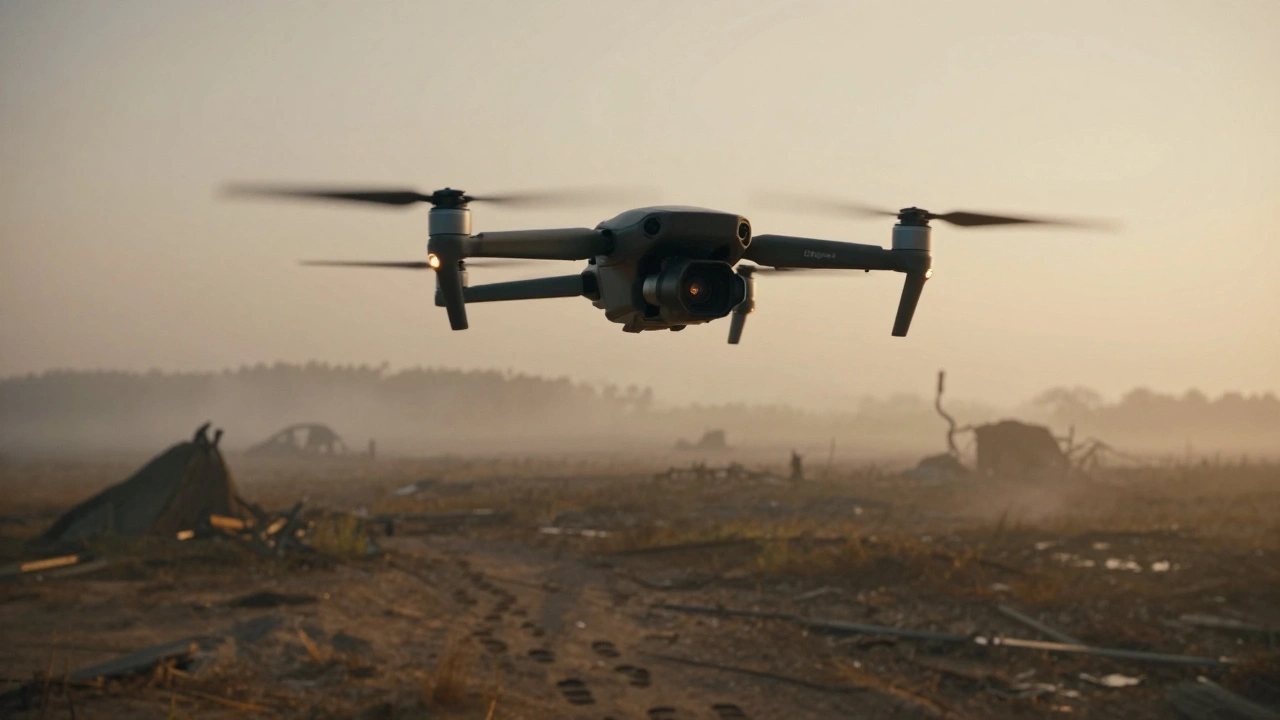
When you see a shot that glides over a city skyline, follows a runner through a forest, or circles a car chase without a single crane or helicopter, that’s drone cinematography, the use of unmanned aerial vehicles equipped with cameras to capture moving images for film and television. Also known as aerial filming, it’s no longer just a flashy trick—it’s a standard tool that’s reshaped how stories are shot, saved studios millions, and opened the door for indie filmmakers to create visuals once reserved for blockbusters.
Drone cinematography doesn’t work alone. It’s tied to cinematic drones, specialized UAVs built for stable, high-resolution filming with gimbals and remote control systems, and it relies on drone camera work, the skill of framing, pacing, and timing shots while managing wind, battery life, and safety regulations. These aren’t just gadgets—they’re extensions of the director’s vision. Think of the opening of Game of Thrones or the chase in Mad Max: Fury Road. Those weren’t just expensive helicopter shots—they were precise, repeatable, and cost-effective drone sequences that gave filmmakers total control over movement and perspective. Unlike cranes or rigs, drones let you shoot tight spaces, low angles, and high altitudes without blocking actors or requiring massive crews.
What makes drone cinematography powerful isn’t just the hardware—it’s how it changes storytelling. You can now show scale without cutting away. You can follow a character from above as they run through a crowd, then drop down to eye level without a single edit. That fluidity builds tension, immersion, and emotional connection. It’s why even low-budget films now use drones to stand out. You don’t need a $10 million budget to get a shot that looks like it came from a Netflix series. All you need is the right drone, a skilled pilot, and a clear idea of what the shot is meant to feel like.
Behind every great aerial shot is a team that understands weather, FAA rules, battery cycles, and how to sync the drone’s movement with the actor’s performance. It’s not magic—it’s technique. And that’s why the posts below cover everything from how to shoot action scenes with a drone to the hidden costs most beginners miss, how lighting changes at altitude, and why some directors still refuse to use them. Whether you’re a filmmaker trying to cut costs, a student learning the craft, or just someone who loves how a well-timed aerial shot makes your skin crawl, this collection gives you the real-world insights you won’t find in a manual.