Documentary Subject Permissions: What You Need to Know Before Filming
When you film someone for a documentary, you’re not just capturing a moment—you’re using their image, voice, and story. That’s why documentary subject permissions, the legal and ethical right to film and use a person’s likeness in a documentary. Also known as film consent, it’s not optional—it’s the foundation of any responsible documentary. Skipping this step can get your film pulled from festivals, blocked by streamers, or sued into oblivion. It’s not about being paranoid. It’s about being smart.
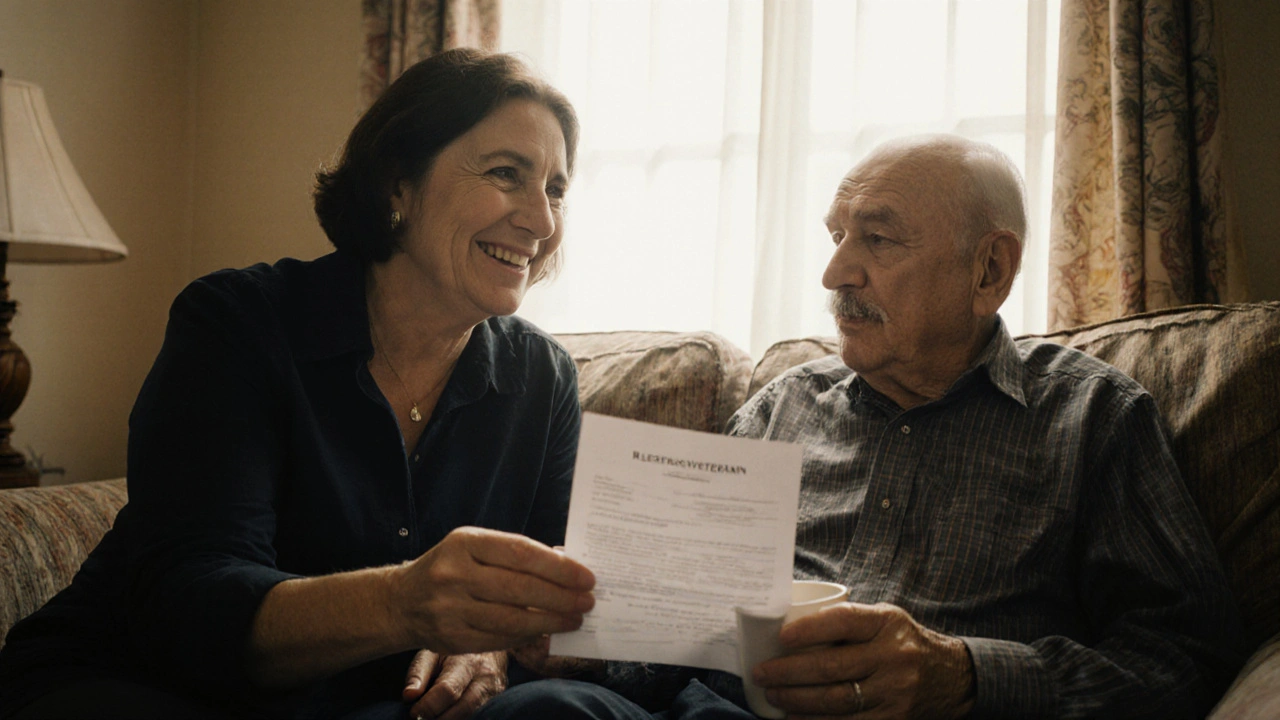
Most people think if you film someone in public, you’re fine. That’s a dangerous myth. Even in a crowd, if your camera zooms in on a person talking about their divorce, their cancer, or their prison sentence, you need their written permission. That’s where release forms, legal documents that grant filmmakers the right to use a subject’s image, voice, and personal story. come in. A simple handshake won’t cut it. Courts don’t care about your intentions. They care about signed papers. And if you’re filming someone under 18, you need a parent or guardian’s signature too. Even if the person seems excited to be on camera, you still need a form. People change their minds. Families get upset. Distributors won’t touch your film without proof you cleared every face.
Then there’s the gray area: people you interview in public spaces, bystanders in the background, or subjects who don’t want to be named. For those, you need to think ahead. Blur faces. Muffle voices. Or get a blanket release from event organizers if you’re filming at a rally, a protest, or a festival. documentary ethics, the moral responsibility filmmakers have to represent subjects fairly and without harm. isn’t just a buzzword. It’s what separates exploitative content from powerful storytelling. If your film makes someone’s life worse, you’ve failed—even if you had the paperwork. And documentary legal requirements, the set of laws and industry standards governing how subjects’ rights are protected in nonfiction film. vary by country. What’s legal in the U.S. might be illegal in Germany or Canada. You need to know where you’re filming and what local rules apply.
This isn’t about bureaucracy. It’s about respect. The best documentaries aren’t the ones with the biggest budgets—they’re the ones built on trust. When you take the time to explain why you need a release, when you listen to a subject’s concerns, and when you honor their boundaries, you don’t just avoid legal trouble. You earn their story. And that’s worth more than any contract.
Below, you’ll find real-world guides, case studies, and practical checklists from filmmakers who’ve been there. No fluff. Just what works when the camera’s rolling and the stakes are high.