Documentary Law: What It Is and How It Shapes Truth in Film
When you watch a documentary, you’re seeing real people, real events, and real consequences—but what you don’t see are the documentary law, the legal framework governing how filmmakers can record, use, and distribute real-life stories without violating rights or risking lawsuits. Also known as film ethics in nonfiction, it’s what keeps a filmmaker from crossing the line between truth and exploitation. This isn’t about censorship. It’s about responsibility. Every interview, every hidden camera shot, every archival clip used without permission carries legal weight. If you’re making a documentary, you’re not just telling a story—you’re navigating a minefield of privacy rights, copyright claims, and public interest defenses.
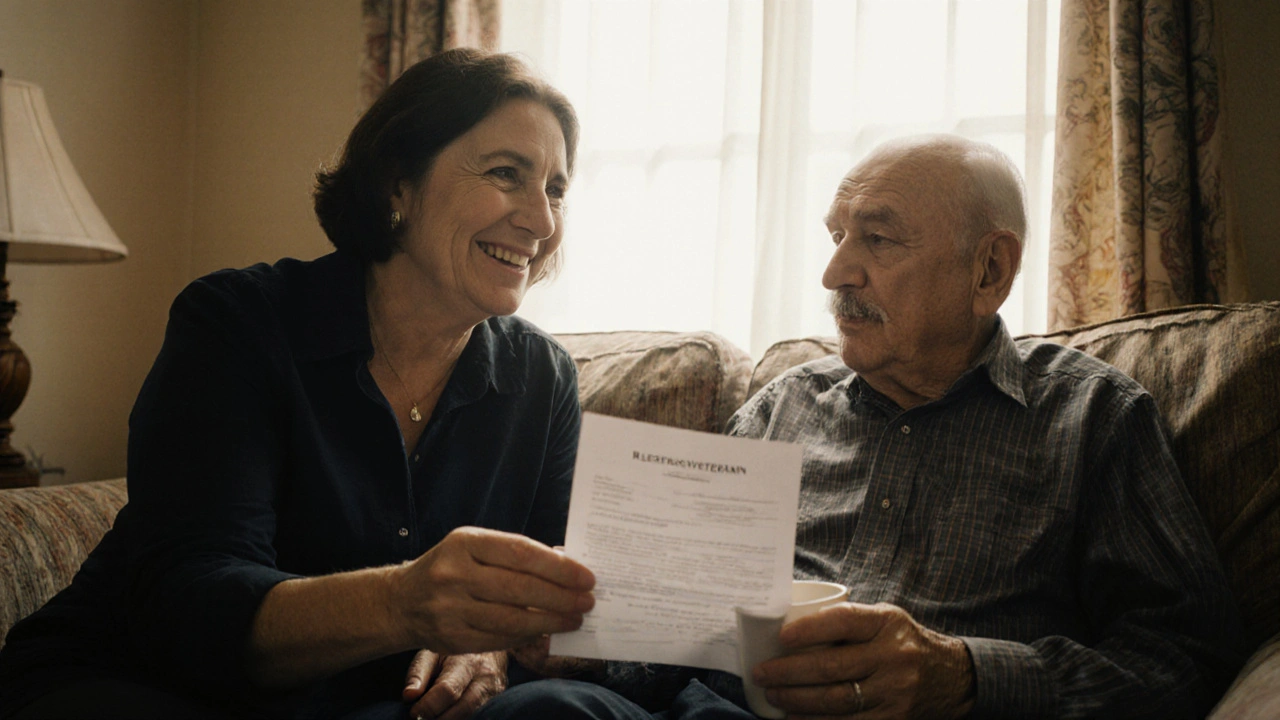
Documentary filmmaking, the practice of capturing real-world subjects with narrative intent depends on trust. Subjects give access, sometimes their lives, often their vulnerabilities. But without clear consent, even the most well-intentioned film can become a lawsuit waiting to happen. Then there’s legal rights in documentary, the specific protections and limitations filmmakers have under copyright, defamation, and privacy laws. For example, filming someone in public doesn’t automatically mean you can use their image in a way that implies guilt or shame. And using a song, a news clip, or a photo without permission? That’s where fair use gets tested—and often fails.
It’s not just about avoiding lawsuits. film ethics, the moral standards guiding how real people are portrayed in nonfiction film shapes how audiences trust your work. A documentary that cuts corners legally often loses credibility, no matter how powerful the story. Buyers, festivals, and streaming platforms won’t touch a film with unresolved legal risks. That’s why top documentary producers hire legal consultants before shooting even begins. They know: a great story means nothing if it can’t be shown.
What you’ll find in this collection are real, practical guides on how to make documentaries that hold up—not just artistically, but legally. From how to get proper release forms to what happens when a subject tries to pull their footage, these posts break down the rules without the jargon. You’ll learn how to protect yourself, how to negotiate with subjects, and how to spot red flags before they become lawsuits. This isn’t theory. It’s what keeps your film alive after the credits roll.