Documentary Interview Techniques: How to Capture Real Stories on Camera
When you're filming a documentary interview, a structured conversation designed to reveal truth, emotion, or insight in non-fiction storytelling. Also known as documentary confessional, it's not just asking questions—it's creating a space where people drop their guard and let you see who they really are. Most people think it’s about having a good microphone or a fancy camera. It’s not. It’s about presence. The best documentary interviews happen when the interviewer becomes invisible, and the subject forgets they’re being filmed.
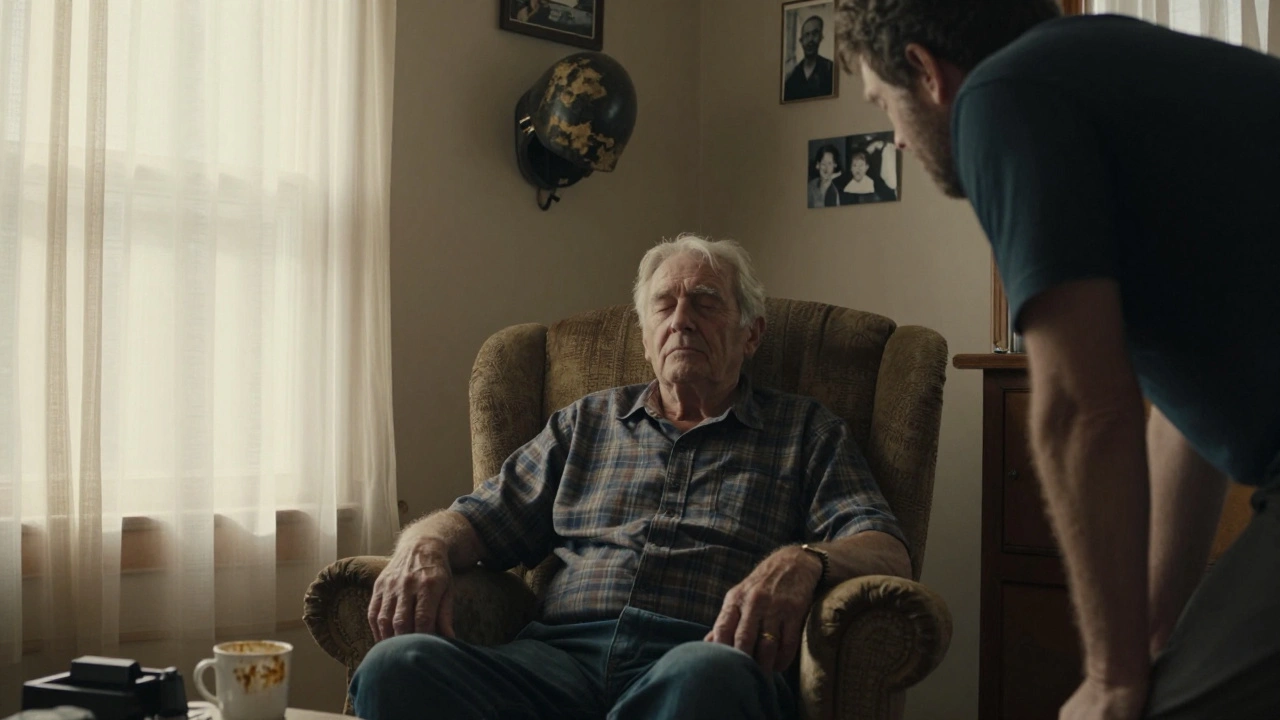
Interview framing, how the camera and composition are set to guide emotional focus during a conversation matters more than you think. A tight close-up on trembling hands tells more than a long shot of someone talking about loss. The angle, the lighting, even the distance between the camera and the subject—these aren’t just technical choices. They’re psychological tools. Directors like Frederick Wiseman and Barbara Kopple didn’t just record people; they built environments where honesty could grow. That’s why you’ll see so many of the posts here focus on quiet moments: a pause before answering, a glance away, the way someone folds their hands when they’re lying.
Documentary storytelling, the art of weaving real-life events into a compelling narrative without fabrication lives in these interviews. It’s not about editing lies together—it’s about finding the truth in the silences. The posts in this collection show you how to spot when someone’s about to reveal something real, how to respond without interrupting, and how to keep the camera rolling even after the question is done. You’ll find tips on how to handle nervous subjects, how to ask follow-ups that don’t feel like interrogation, and why sometimes the best question is no question at all.
These techniques aren’t just for professionals. If you’ve ever filmed a family member talking about their past, or recorded someone sharing a hard experience, you’ve already started. The difference between a casual clip and a powerful documentary moment? Preparation, patience, and knowing when to shut up. The posts below pull from real sets—low-budget indie films, award-winning shorts, and festival hits—where the interviews didn’t just inform the story, they became the story. You’ll learn how to build trust before you turn on the camera, how to read micro-expressions, and why the most moving moments often happen when the interviewer isn’t even in the frame.