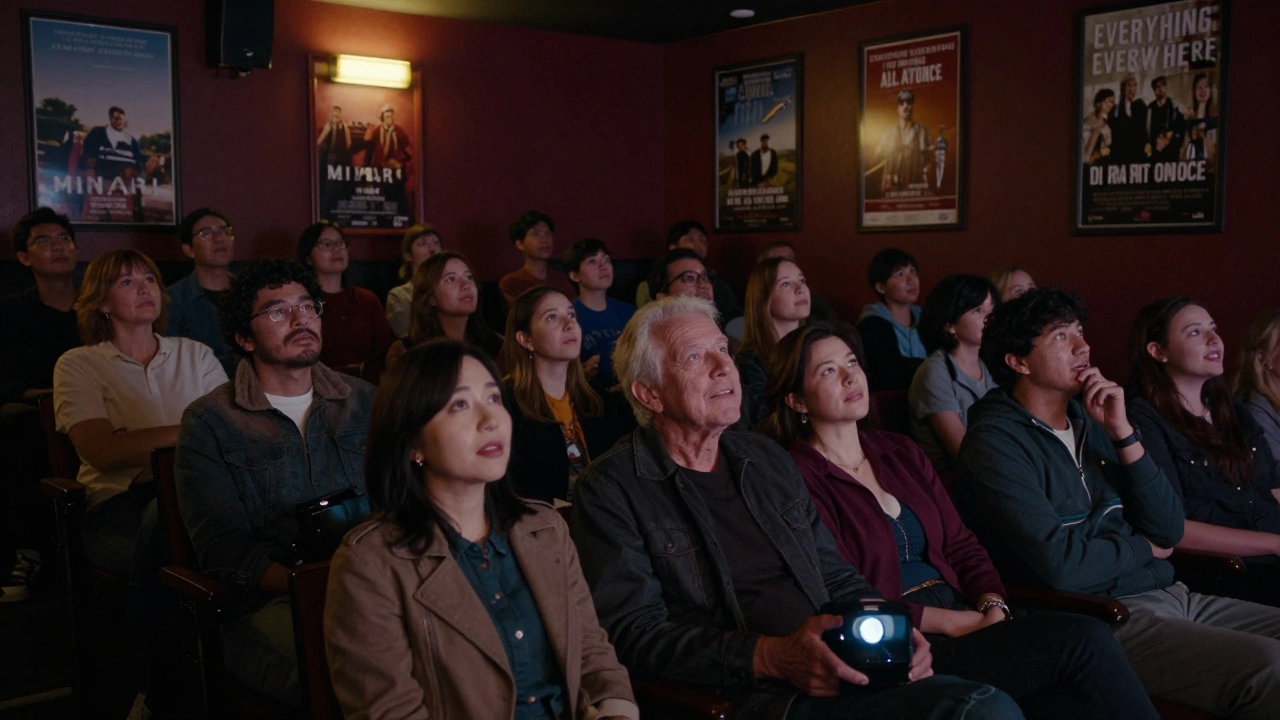
Diverse Films: Stories That Reflect the World We Live In
When we talk about diverse films, cinematic works that intentionally include characters, creators, and perspectives from underrepresented racial, cultural, gender, and ability groups. Also known as inclusive cinema, it’s no longer just a trend—it’s a demand from audiences who want to see themselves reflected on screen. This isn’t about checking boxes. It’s about telling stories that only exist because someone lived them.
global casting, the practice of selecting actors based on authenticity rather than geography. Also known as cross-border talent, it’s reshaping how films are made. Think of a Nigerian actor playing a lead in a Norwegian drama, or a deaf actress starring in a French thriller—these aren’t gimmicks. They’re the result of filmmakers realizing that truth beats tradition. This shift is fueled by streaming platforms that reach every corner of the planet, and by audiences who refuse to settle for the same old faces. And it’s not just about who’s in front of the camera. Behind the scenes, writers, directors, and producers from marginalized backgrounds are finally getting the chance to lead projects. That changes everything—the tone, the details, the emotional core.
inclusive representation, the consistent, respectful, and meaningful inclusion of people from all walks of life in film narratives. Also known as authentic diversity, it goes beyond surface-level diversity. It means a disabled character isn’t just there to inspire; they’re complex, flawed, and driving the plot. It means a queer romance isn’t framed as tragic—it’s just love. It means Indigenous stories aren’t reduced to historical trauma but include joy, humor, and everyday life. This is what the best films are doing now, and it’s why audiences are responding so strongly. You can see it in the rise of international short films winning Oscars, in indie films funded through global crowdfunding, and in festivals that now prioritize voices from the Global South. The tools are there: self-submission platforms, production incentives in countries like Canada and South Korea, and intimacy coordinators ensuring safe, respectful sets for all performers.
What you’ll find in this collection isn’t just a list of movies. It’s a roadmap. You’ll read about how diverse films are changing casting norms, how filmmakers are securing funding without studio backing, and why some festival selections spark real debate. You’ll see how camera framing, lighting, and even music choices shift when the story comes from a different cultural lens. This isn’t theory. It’s happening now—in indie shoots, in streaming premieres, in theaters you didn’t know existed.