Scoring to Picture: Workflow in Modern DAWs
Learn the essential workflow for scoring music to picture using modern DAWs, from timecode sync and tempo mapping to track organization and delivery. Essential for film composers and music producers.
When you hear a film score that gives you chills, you’re not just hearing music—you’re hearing a DAW workflow, a digital audio workstation setup used by composers to create, edit, and synchronize music with film. Also known as a digital audio workstation, it’s the studio inside a computer where film music is built note by note, layer by layer, often before a single frame is locked. This isn’t just about playing piano samples or looping strings. It’s about timing every swell, every silence, every breath of sound to match the actor’s blink or the explosion on screen.
A strong DAW workflow connects directly to film scoring, the art of composing original music for motion pictures. Composers use DAWs to build leitmotifs, tweak orchestral textures, and test how a cue lands under dialogue. Tools like Logic Pro, Cubase, and Pro Tools aren’t just software—they’re the conductor’s baton, the sheet music, and the recording studio all in one. But it’s not just about the music. The same workflow powers sound design, the creation of audio elements that enhance storytelling, from footsteps to alien engines. A door creaking in a horror film? That might start as a recorded hinge, then warped in a DAW, layered with low-end rumble, and timed to hit right as the character turns the knob.
What makes a DAW workflow effective isn’t the plugins you own—it’s how you organize your session. Top film composers keep templates ready: tracks labeled by instrument family, tempo maps synced to picture, markers for scene changes, and folders for alternate takes. They don’t waste time hunting for a cello patch mid-scene. They know where everything is because their system is built for speed and precision. And it’s not just for big studios. Indie filmmakers and composers use the same tools to create powerful scores on laptops, often syncing audio to rough cuts using timecode.
Behind every iconic film score—from the haunting strings of The Power of the Dog to the pulsing synths of Drive—is a disciplined DAW workflow. It’s the hidden architecture that turns inspiration into timing, emotion into structure. The posts below show you exactly how this happens: how composers build cues, how sound designers manipulate raw audio, and how teams sync music to picture without losing the soul of the moment. You’ll see real methods used on actual films—not theory, not guesswork. Just the process that makes cinema sound unforgettable.
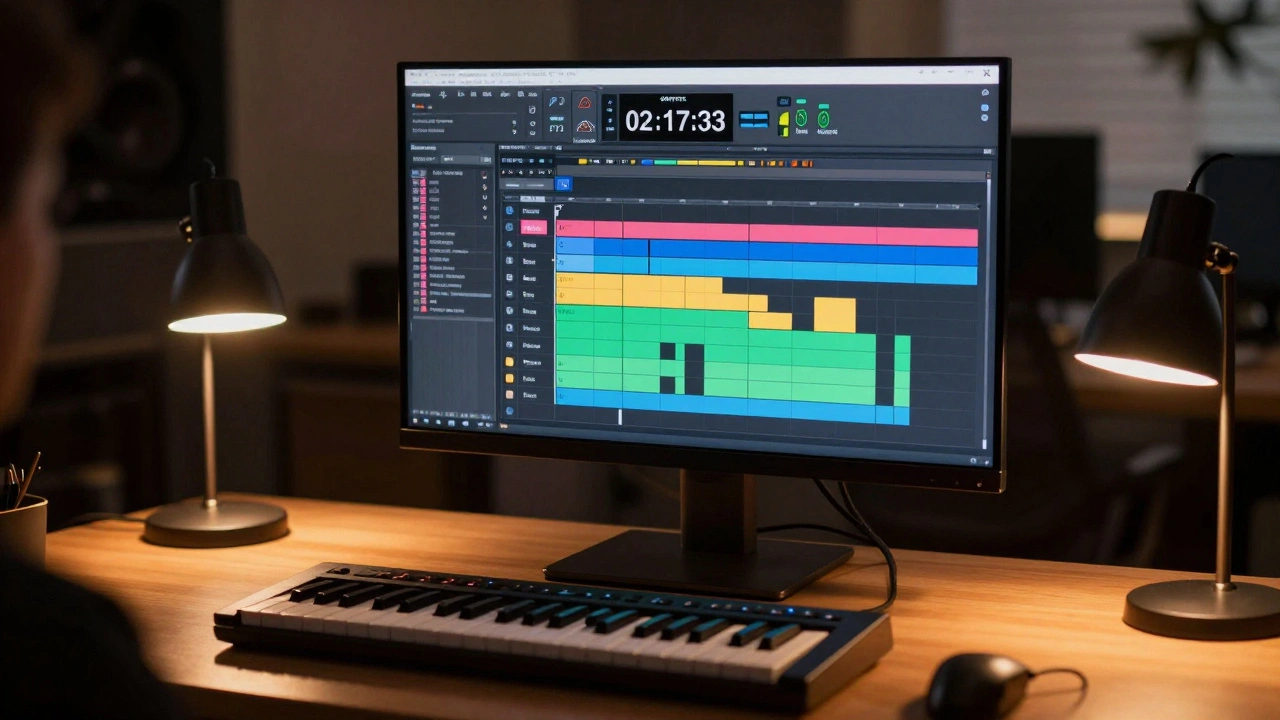
Learn the essential workflow for scoring music to picture using modern DAWs, from timecode sync and tempo mapping to track organization and delivery. Essential for film composers and music producers.