Cult Movie Audiences: Why Some Films Never Fade Away
When a movie becomes a cult movie, a film that gains a dedicated, passionate following despite limited initial success or critical recognition. Also known as underground cinema, it thrives not because of box office numbers, but because people return to it—again and again, in theaters, basements, and late-night streaming sessions. Cult movie audiences aren’t just viewers. They’re archivists, quote reciters, costume makers, and midnight ritual participants. These aren’t fans who watched once and moved on. They’re the ones who know every line, every glitch, every behind-the-scenes rumor—and they’ll defend it like it’s sacred text.
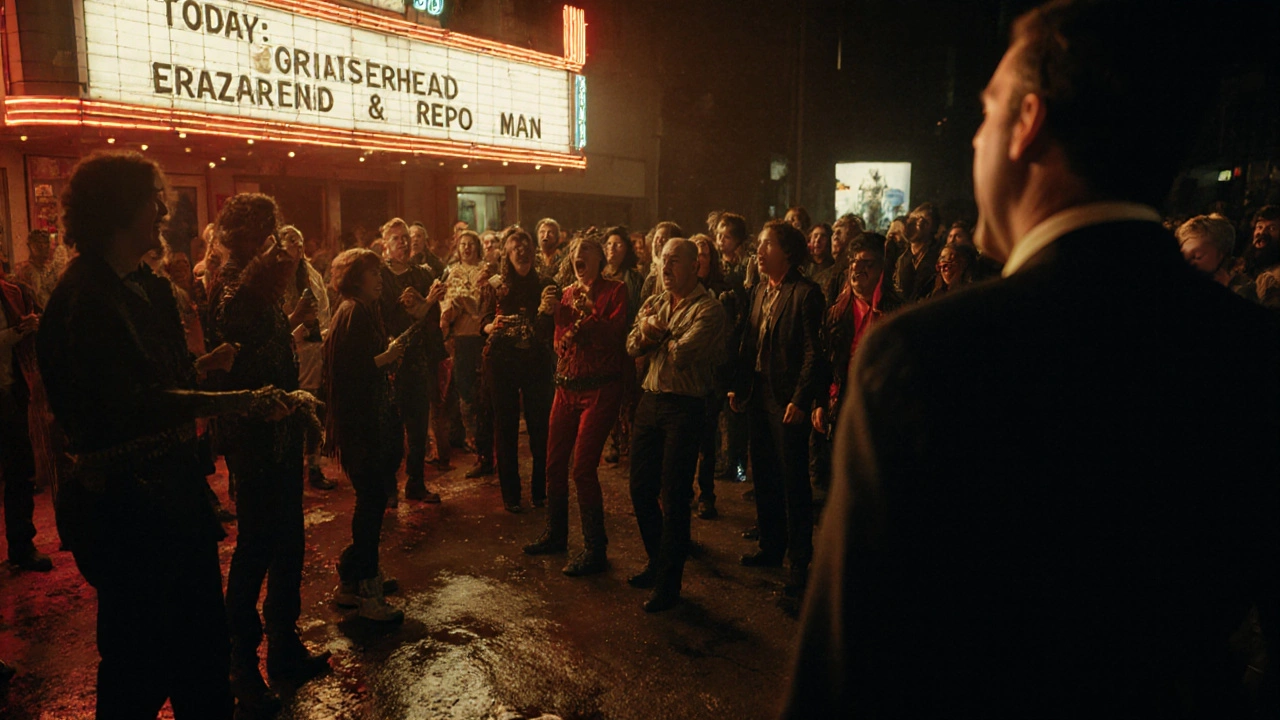
Cult movie audiences form around films that feel like secrets. They’re often weird, raw, or too ahead of their time. Think The Room with its accidental comedy, Eraserhead with its haunting silence, or Shaun of the Dead blending horror and humor in a way no studio dared. These films don’t need big budgets or Oscar campaigns. They need film fandom, a community-driven devotion that turns passive watching into active participation. It’s the difference between watching a movie and living inside it. These audiences don’t just watch—they rewatch, remix, and reinvent. They host themed parties, create fan art, and even organize bus trips to filming locations. The film becomes a shared language, a badge of belonging.
This isn’t just nostalgia. It’s a rebellion against the algorithm. While streaming platforms push the same 10 titles to everyone, cult audiences seek out the ones that slipped through. They find them in obscure VHS collections, indie repertory theaters, or Reddit threads buried under thousands of posts. The rise of niche cinema, films made for specific subgroups rather than mass appeal has only deepened this. You don’t need millions to reach a cult audience—you just need to speak to the right few. And once you do, they’ll carry your film forward for years, even decades, long after the studio has forgotten it.
What you’ll find below isn’t a list of the most popular cult films. It’s a look at how these films survive, how their audiences keep them alive, and how filmmakers today can learn from the ones that stuck. Whether it’s about pitching to streamers, building a following without a budget, or understanding what makes a film unforgettable, these stories all tie back to the same truth: the most powerful cinema isn’t always the biggest. Sometimes, it’s the one that refuses to let go.