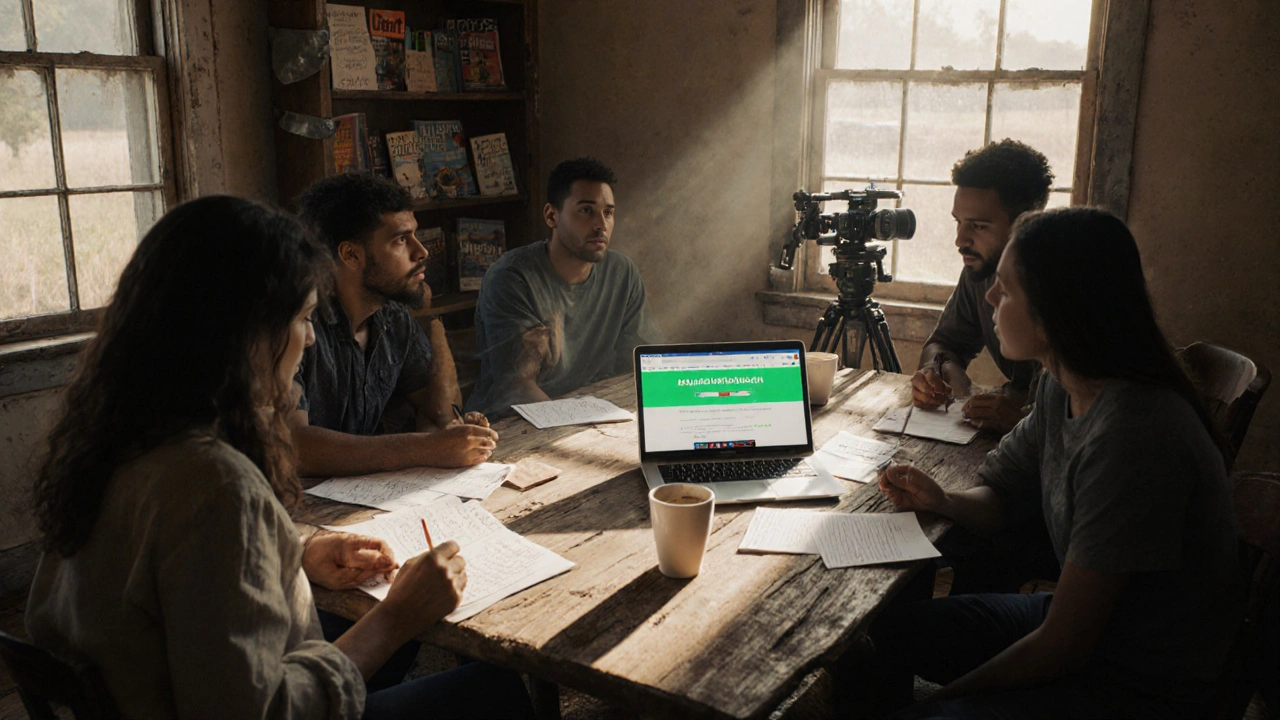
Crowdfunding for Films: How Indie Filmmakers Raise Money Without Studios
When you think about how movies get made, you probably picture big studios, glossy pitches, and million-dollar budgets. But crowdfunding for films, a method where filmmakers collect small contributions from many people to finance their projects. Also known as public film funding, it’s how thousands of indie films—some of them critically acclaimed—got off the ground without a single studio check. This isn’t just a backup plan. It’s a full-on alternative to traditional film financing, and it’s changing who gets to tell stories on screen.
Crowdfunding for films works because it turns audiences into partners. Instead of waiting for a producer to say yes, you go straight to the people who care about your story. Platforms like Kickstarter and Indiegogo let you set a funding goal, offer rewards—like early access, signed posters, or even a credit in the movie—and build hype before a single frame is shot. It’s not just about money. It’s about proving there’s real interest. Studios notice when a film raises $50,000 from 2,000 people. That’s social proof. That’s traction. And that’s what opens doors to distributors, festivals, and even investors later on.
But it’s not magic. The biggest mistake? Thinking a good idea is enough. Successful campaigns have clear videos, realistic goals, and a plan to reach out—not just to friends, but to communities that care about the genre or theme. A horror film? Tap into Reddit horror groups. A documentary about climate change? Connect with environmental nonprofits. A low-budget comedy? Run ads on TikTok targeting people who love absurd humor. The most successful campaigns don’t just ask for money—they give people a reason to be part of something. And they follow up. Constantly. After the campaign ends, they keep the momentum going with behind-the-scenes updates, cast interviews, and sneak peeks. That’s how you turn backers into fans.
And it’s not just about the initial raise. Crowdfunding often leads to other funding paths. Once you’ve got proof of audience support, you can use it to apply for grants, pitch to pre-sales buyers, or even attract production incentive programs. It’s a launchpad, not a finish line. You’ll see that in the posts below—real examples of filmmakers who raised money through crowdfunding, then used it to get insurance, hire crews, and even land festival deals. Some didn’t have a film school degree. Others didn’t have a single connection in Hollywood. But they had a story, a plan, and the guts to ask.
What follows is a collection of real-world insights from filmmakers who’ve walked this path. You’ll find guides on how to structure your campaign, what rewards actually work, how to handle delays, and how to turn a failed campaign into a learning opportunity. You’ll also see how crowdfunding ties into other parts of indie film funding—like production insurance, pre-sales, and government incentives. No fluff. No theory. Just what actually works when you’re trying to make a movie with no safety net.