Critic-Creator Dialogue: How Film Reviews Shape Movies and Careers
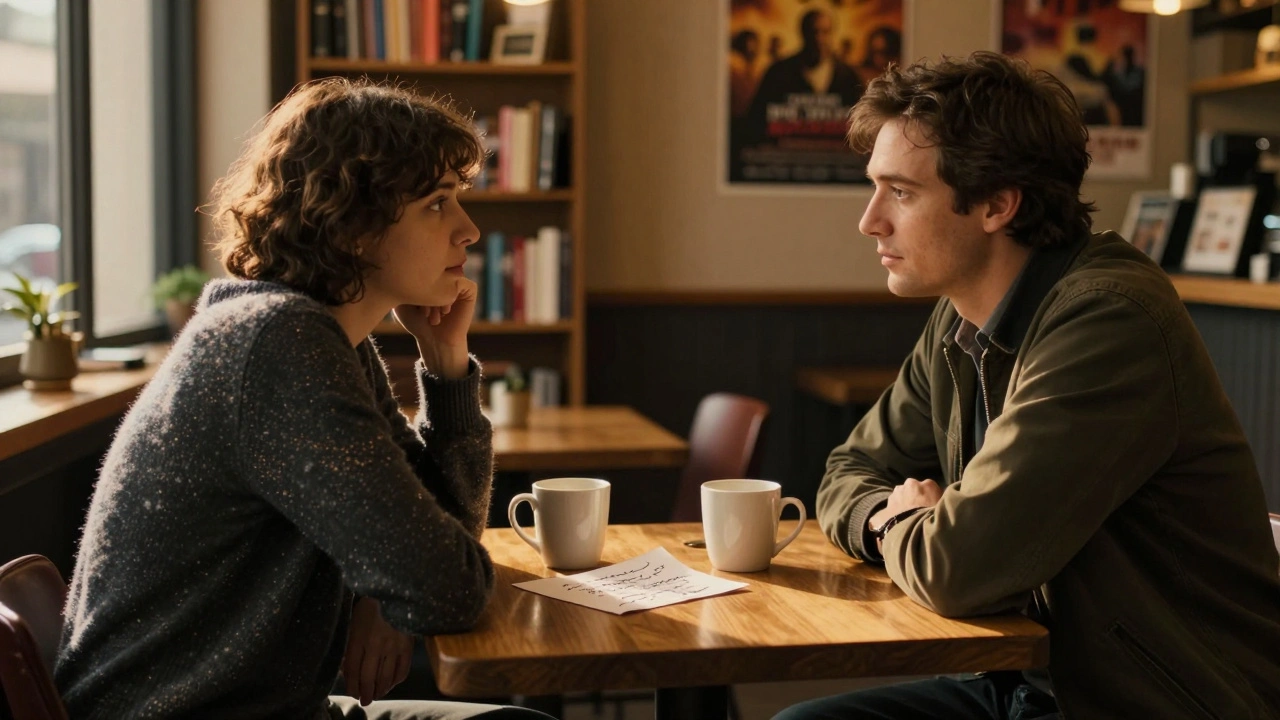
When a film critic writes a review, they’re not just sharing an opinion—they’re entering a critic-creator dialogue, a two-way exchange between filmmakers and reviewers that influences how movies are made, marketed, and understood. This isn’t a one-sided lecture. It’s a conversation that starts with a screening, continues in print or online, and often loops back to the editing room or the next script. Think of it like a director listening to an audience after a test screening—except this audience includes people who write for major outlets, shape festival lineups, and sometimes even help fund the next project.
This dialogue film criticism, the practice of analyzing and evaluating films through written or spoken commentary isn’t just about whether a movie is good or bad. It’s about why it matters. When a documentary director like the ones in our posts on non-fiction filmmaking hears a critic point out a missed emotional beat, they might go back and restructure their entire narrative. When an indie producer reads a review that calls out poor representation, they might rethink casting for their next film. The movie reviews, public assessments of films that guide audience choices and industry decisions from outlets like Variety or indie blogs don’t just report on cinema—they become part of its DNA.
The most powerful moments in this dialogue happen when creators respond. Look at how A24 handles feedback—they don’t just release films, they listen. When critics praised the raw authenticity in The Power of the Dog, it didn’t just boost awards chances—it signaled to other filmmakers that audiences want depth over spectacle. Meanwhile, accessibility in reviews, like the ones we cover on subtitles and audio description, ensures this dialogue isn’t just for a privileged few. It’s for everyone who watches.
And it’s not just about big studios. On low-budget sets, where every dollar counts, a single thoughtful review can mean the difference between obscurity and a streaming deal. Independent filmmakers rely on this feedback loop to learn, adapt, and survive. The indie film feedback, constructive, often unfiltered reactions from critics and audiences that help shape small-scale productions you read in niche blogs or festival panels often matters more than a five-star rating on a major site.
This is why the critic-creator dialogue isn’t dying—it’s evolving. With more voices than ever, from academic conferences to TikTok reviewers, the conversation is louder, messier, and more alive than before. You’ll find posts here that show how film readers flag script flaws, how documentary interviews capture truth, and how festival selections spark debate—all part of the same chain of influence.
What follows isn’t just a list of articles. It’s a map of how feedback turns into change. Whether you’re a filmmaker wondering if your story lands, a critic trying to make your voice count, or just someone who cares about what ends up on screen—this collection shows you how the real work gets done, one review, one reaction, one rewrite at a time.