Contemporary Film Themes: What’s Really Moving Audiences Today
When we talk about contemporary film themes, the recurring ideas and emotional currents that define modern cinema. Also known as modern cinematic concerns, these are the stories filmmakers return to because they speak to what people are feeling right now—not what studios think they should feel. These aren’t just trends. They’re responses to real life: rising inequality, digital isolation, climate dread, and the search for belonging in fractured societies.
Indie film storytelling, a low-budget, character-driven approach that prioritizes authenticity over spectacle. Also known as narrative intimacy, it’s become the main vehicle for exploring contemporary film themes. You see it in films that don’t need explosions to make you feel something—just a long silence, a glance, or a voice cracking on a phone call. This style thrives because audiences are tired of being told what to think. They want to feel what the characters feel, without the filter of a studio agenda. That’s why you’ll find these themes in everything from a quiet documentary about climate refugees to a surreal animated short about loneliness in a smart home. The tools change—LED walls, AI voiceovers, haptic feedback—but the core question stays the same: How do we live now?
Cinematic diversity, the inclusion of voices, perspectives, and lived experiences historically left out of mainstream cinema. Also known as representational equity, it’s not a checkbox—it’s the reason why contemporary film themes feel urgent and real today. When a first-time director from a rural village in Nigeria tells a story about grief and resilience, or a trans filmmaker in Mexico City uses horror to explore identity, they’re not just making movies. They’re rewriting the rules of what cinema can be. And the industry is noticing. Festival curators, streaming platforms, and even some studios are finally listening—not because it’s trendy, but because these stories connect deeper and longer.
Meanwhile, film industry trends, the shifting forces that determine what gets made, how it’s funded, and who gets to see it. Also known as production and distribution shifts, they’re pulling the lens tighter. Big-budget blockbusters are fading. What’s rising are films made with $50,000 budgets, shot in real homes, with non-professional actors, and found on niche streaming channels. These aren’t outliers—they’re the new normal. And they’re where the most honest takes on contemporary film themes live.
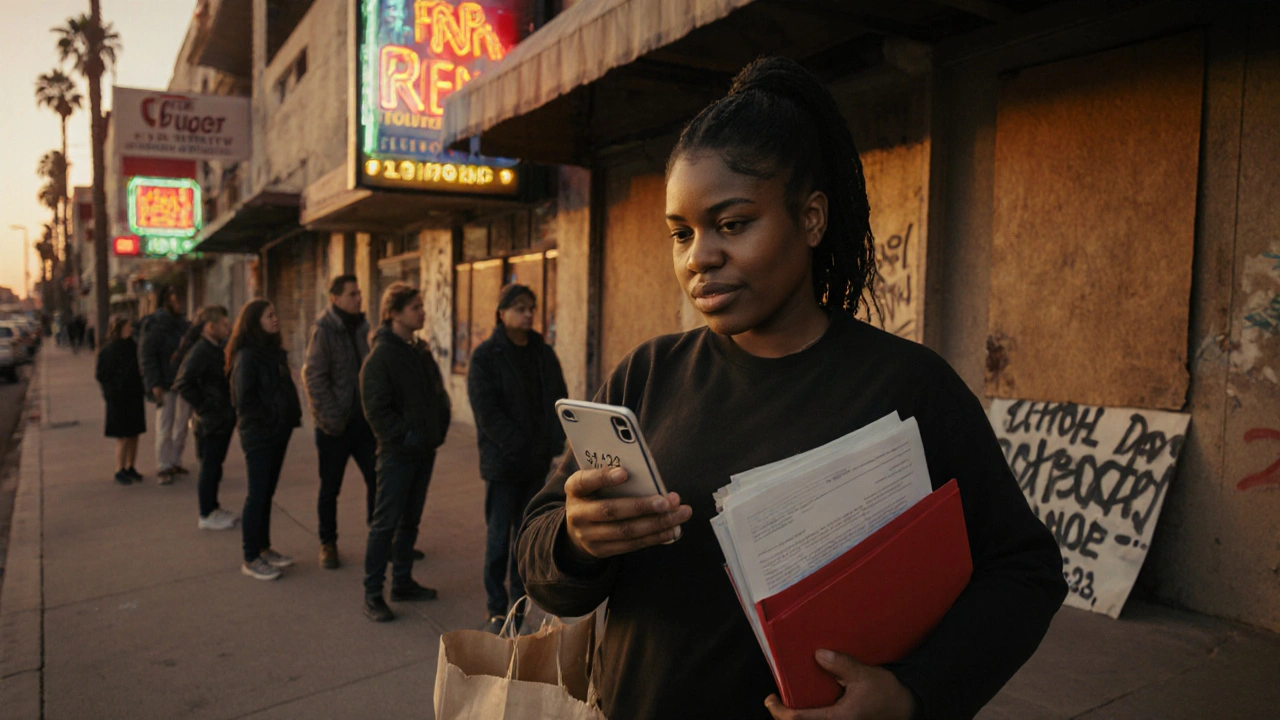
You won’t find grand speeches or moral lessons in these films. Instead, you’ll find a mother counting pills in the dark. A teenager scrolling through TikTok while her family falls apart. A refugee walking the same path every day, hoping for a different outcome. These aren’t plot points. They’re the texture of modern life. And they’re what the posts below dive into—how filmmakers are capturing these moments, what tools they’re using, who’s backing them, and why these stories are finally getting seen.