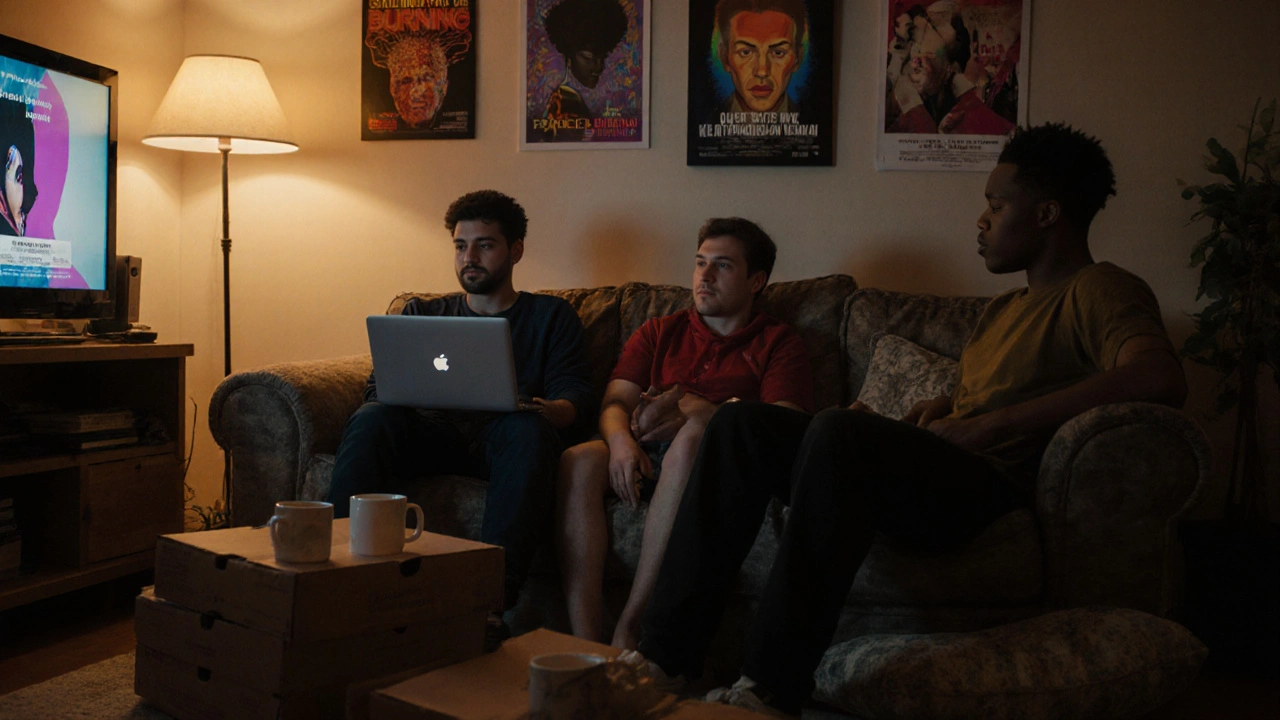
Community Screenings: Where Films Connect With Real Audiences
When a film isn’t shown in a multiplex but in a library, a church basement, or a backyard under string lights, that’s a community screening, a grassroots event where films are shown to local audiences outside traditional theater chains. Also known as pop-up cinema, it’s not about big budgets or box office numbers—it’s about connection. These events turn passive viewers into active participants. Someone watches a documentary about housing inequality in a neighborhood facing eviction. A group gathers to see a local filmmaker’s short film in a town that inspired it. The screen becomes a conversation starter, not just entertainment.
Community screenings rely on more than just a projector and a screen. They need local organizers, volunteers or activists who book venues, secure permissions, and rally neighbors to attend. They often partner with film festivals, especially regional or niche ones that use these events to extend a film’s reach after the main event ends. Unlike streaming platforms where content disappears into algorithms, these screenings create moments that stick. You don’t just watch a film—you talk about it afterward, maybe even help organize the next one.
What makes these events powerful is their flexibility. A climate documentary might screen at a school, followed by a Q&A with the director and a local scientist. A silent film could play in a historic theater with live piano. An indie horror short might run in a haunted house for Halloween. The format doesn’t matter—what matters is that the audience feels seen. These aren’t marketing stunts. They’re the quiet backbone of film culture, especially for films that streaming services ignore or bury.
Look at the posts below. You’ll find stories about how community screenings help indie films survive, how filmmakers use them to build buzz before hitting SVOD, and how regional festivals keep titles alive long after Cannes or Sundance ends. You’ll see how filmmakers turn one-off events into ongoing conversations, how local groups fundraise for equipment, and how even small towns can become hubs for meaningful cinema. These aren’t just showings. They’re acts of resistance against content overload. They remind us that films aren’t meant to be consumed alone in the dark—they’re meant to be shared, discussed, and remembered together.