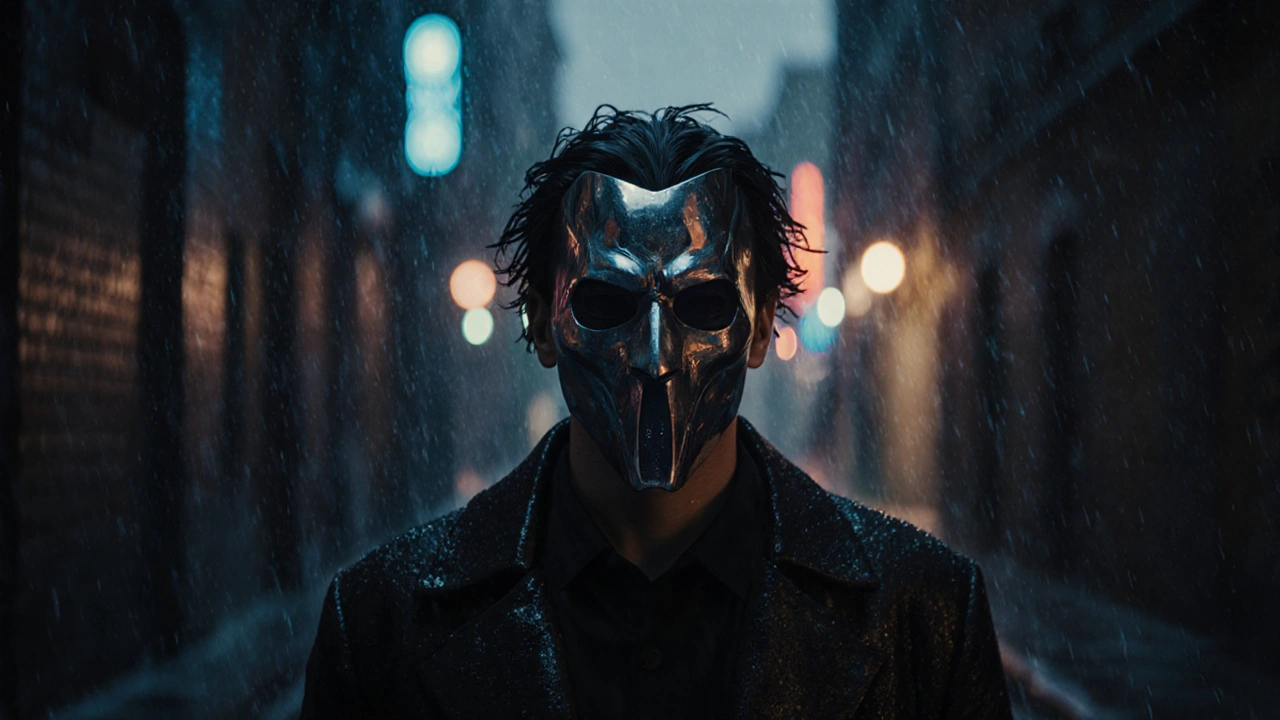
Cinematic Sequences: How Film Scenes Are Built to Move Audiences
When you remember that heart-pounding chase in Mad Max: Fury Road or the quiet, wordless reunion in Marriage Story, you’re remembering a cinematic sequence, a carefully crafted series of shots designed to convey emotion, advance story, or create rhythm. Also known as film sequence, it’s not just what happens on screen—it’s how it’s put together to make you feel something. These aren’t random clips strung together. They’re the result of deliberate choices in camera movement, timing, sound, and editing that turn a moment into an experience.
Behind every great cinematic sequence is a team working in sync. The cinematography, the art of capturing light and movement to shape mood and meaning. Also known as visual language of film, it determines how a scene looks—whether it’s shaky and urgent or smooth and still. Then there’s film editing, the process of assembling shots to control pace, tension, and emotional impact. Also known as cutting, it’s where seconds are shaved, pauses are stretched, and silence becomes louder than dialogue. And let’s not forget scene composition, how elements like framing, lighting, and actor placement guide your eye and shape meaning. Also known as visual staging, it’s the unspoken grammar of what you’re meant to notice—and what you’re meant to ignore. These three elements don’t work alone. They feed each other. A long take in cinematography needs precise editing to avoid dragging. A sudden cut means nothing without the right composition to make it land.
Some sequences are loud—explosions, car chases, fight scenes. Others are quiet—a single glance across a room, the slow pull back from a character sitting alone. What they share is control. Every frame is chosen. Every second counts. That’s why you can watch a scene ten times and still notice something new. It’s designed to reward attention.
In the posts below, you’ll find real-world breakdowns of how these sequences come together. From how virtual production changes the way scenes are shot, to how haptics are adding physical sensation to what you see, to how indie films achieve theatrical impact without big budgets. You’ll see how filmmakers use pacing, camera work, and sound to make moments unforgettable—not by chance, but by design.