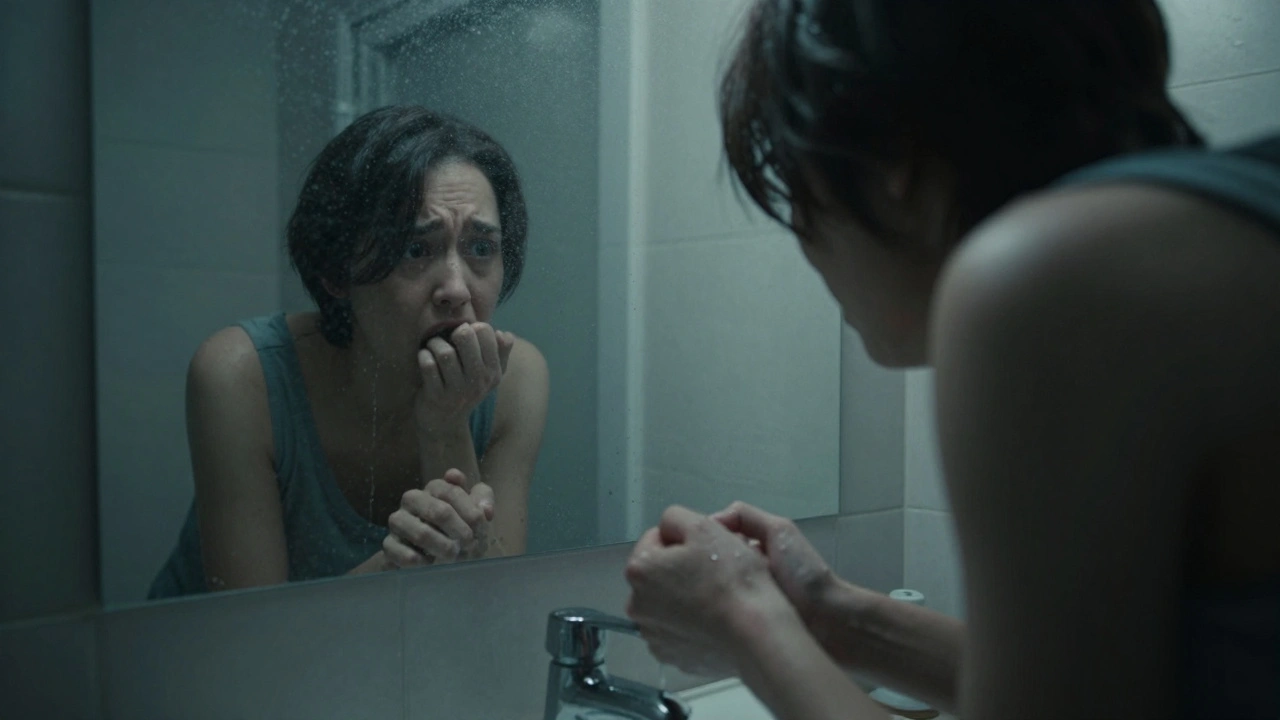
Cinematic Perspective: How Film Choices Shape What We See and Feel
When you watch a movie, your brain doesn’t just process what’s on screen—it interprets cinematic perspective, the deliberate way filmmakers control what the audience sees, feels, and understands through visual language. Also known as visual storytelling, it’s the invisible hand that pulls you into a scene, makes you lean forward, or causes you to look away. It’s not about fancy gear or big budgets. It’s about decisions: Why is the camera low? Why does the frame feel tight? Why does that shot linger while the music drops out? These aren’t accidents—they’re tools.
Every cinematography, the art of capturing moving images with intentional lighting, camera movement, and composition choice serves the story. A wide shot doesn’t just show location—it isolates a character. A shaky handheld camera doesn’t just feel real—it creates panic. Even film framing, how subjects are positioned within the edges of the screen tells you who matters and who’s being ignored. Think of the way a character is shoved to the edge of the frame in a thriller, or how a family sits perfectly centered in a warm family drama. That’s cinematic perspective at work. It’s why two people can watch the same scene and walk away with totally different feelings.
What you’re about to read isn’t theory—it’s what real filmmakers use on set. You’ll find deep dives into how aspect ratios silently shape emotion, how camera movement decides tension, and why texture on a set can make a scene feel real before a single line is spoken. These aren’t just technical tips—they’re the hidden grammar of film. Whether you’re a fan who wonders why a scene stuck with you, or someone making movies on a phone, understanding cinematic perspective changes everything. You’ll start seeing movies differently. And that’s the point.