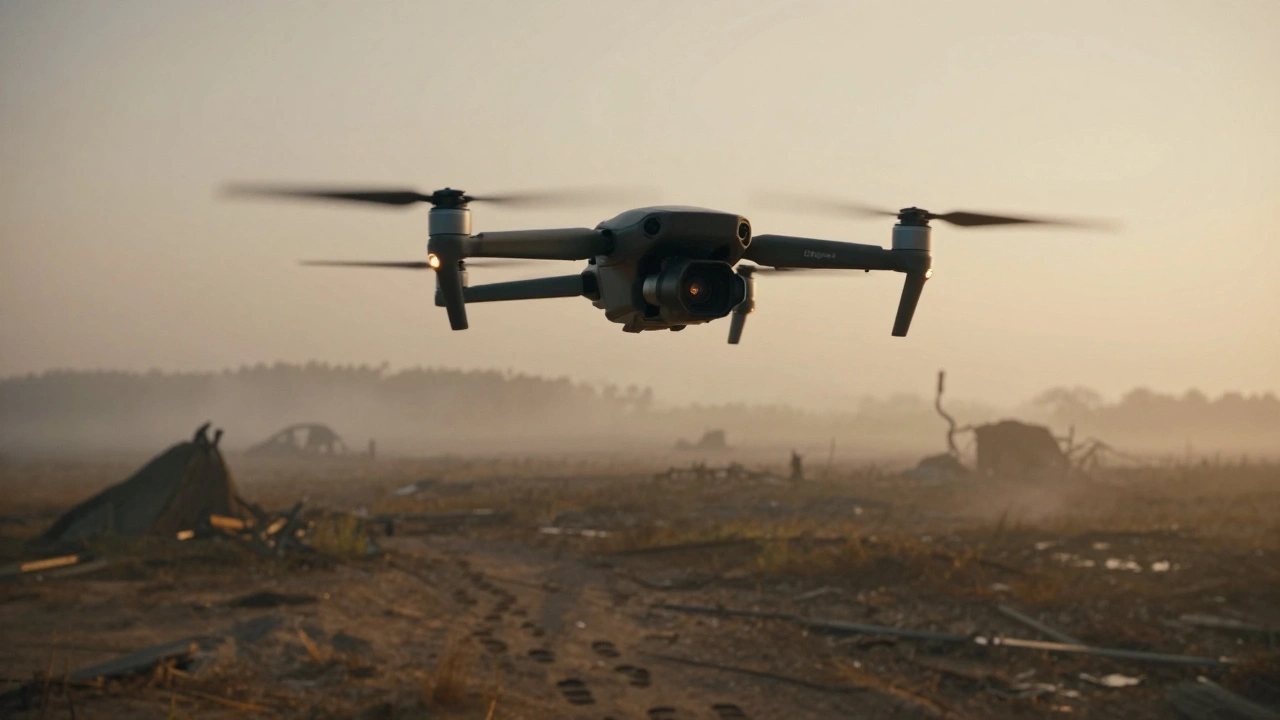
Cinematic Drones: How Aerial Cameras Are Changing Film Production
When you see a sweeping shot of a city skyline or a chase scene racing through forests, chances are it wasn’t shot from a helicopter—it was captured by a cinematic drone, a small, remote-controlled aircraft equipped with high-resolution cameras designed specifically for film and TV production. Also known as aerial cinematography rigs, these tools have become as essential as tripods and lenses in modern filmmaking. They’re not just for big studios anymore. Indie filmmakers use them to get professional-grade visuals on budgets that wouldn’t cover a single helicopter rental.
Cinematic drones don’t just replace expensive equipment—they change how stories are told. Directors now plan shots around flight paths, not just actor movement. A drone can glide under a bridge, follow a runner through narrow alleys, or hover above a crowd to show scale without cutting away. This flexibility means less time setting up cranes or scaffolding and more time focusing on performance. They’re also tied closely to virtual production, a workflow where digital environments are displayed in real time on LED walls during filming. When paired with real-time VFX, drones help match aerial footage to CGI backgrounds seamlessly, making the whole scene feel grounded—even when it’s not. Even lighting has adapted: filmmakers now schedule shoots around golden hour not just for natural light, but because drones need clear skies and stable wind to capture clean footage.
It’s not all smooth flying. Weather, battery life, and FAA rules still limit how and where you can shoot. But the tools keep getting smarter. Modern cinematic drones have obstacle avoidance, AI tracking, and automated flight patterns that let even beginners get professional results. They’re also pushing the boundaries of what’s possible in action sequences—something you’ll see reflected in posts about cinematography in action sequences, how camera movement and gear choices affect the intensity of chase and fight scenes. You’ll find real examples in the articles below, from low-budget films that used drones to replace costly rigs, to blockbusters that relied on them to create impossible angles.
What you’ll find here isn’t just a list of drone shots. It’s a look at how this technology rewired production design, changed how crews plan shoots, and gave new filmmakers the power to visualize stories in ways that were once out of reach. Whether you’re shooting your first short or analyzing the latest Oscar nominee, understanding cinematic drones means understanding where film is headed—and how it got there.