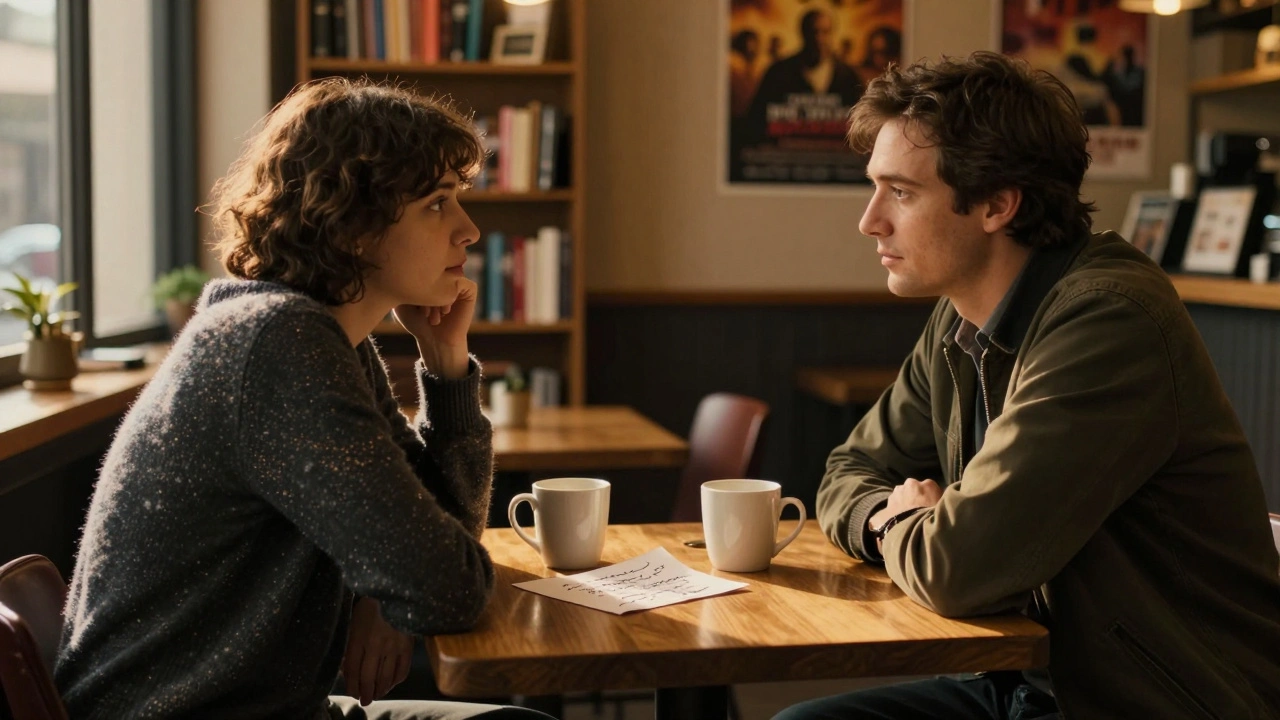
Cinematic Conversation: The Real Talk Behind How Movies Are Made
When we talk about cinematic conversation, the ongoing, unfiltered exchange between filmmakers, audiences, and industry insiders that shapes how stories are told and received. It’s not just reviews or interviews—it’s the messy, honest, sometimes heated back-and-forth that decides what gets made, who gets seen, and why some films stick while others vanish. This is where a documentary director argues with a film reader over emotional truth, where an indie producer negotiates crew pay on a $20k budget, and where an actor improvises a line that becomes the whole movie’s heartbeat.
independent film, low-budget storytelling that thrives outside studio systems, often driven by passion, not profit margins is where most cinematic conversation happens. It’s not glamorous, but it’s real. You’ll find it in the email a filmmaker sends to self-submit an audition, in the CAM agreement that keeps investors from getting ripped off, in the intimacy coordinator setting boundaries before a scene, and in the film reader who flags a script for being too safe. This isn’t Hollywood noise—it’s the quiet, persistent voice of people who care more about truth than box office numbers.
documentary filmmaking, the art of capturing real life without scripts, relying on trust, silence, and timing to reveal deeper truths is pure cinematic conversation. No stunt doubles, no CGI—just a camera, a subject, and the courage to wait for the moment that matters. That’s why the best docs don’t preach—they listen. And that’s why audiences are starting to notice. The same conversation is happening in film distribution, where streaming platforms are cutting out middlemen and letting creators reach global viewers directly. It’s also happening in casting, where representation isn’t just a checkbox anymore—it’s a demand. And in scoring, where a single violin line can say more than a whole script.
What you’ll find below isn’t a list of headlines. It’s the raw material of cinematic conversation—the tactics, the failures, the breakthroughs, and the quiet wins. From how to file an insurance claim without getting denied, to why a 12-minute short film won an Oscar, to how a Western got revived not as nostalgia but as grief therapy. These aren’t theories. They’re stories from sets, festivals, editing suites, and living rooms where films are truly made. This is the conversation you won’t hear on red carpets. But if you want to understand how movies really work, this is where you need to listen.