Cinematic Aspect Ratios: How Film Formats Shape What You See
When you watch a movie, the shape of the image isn’t random—it’s a deliberate choice. cinematic aspect ratios, the proportional relationship between a film’s width and height. Also known as film format, it controls how much of the world you see on screen—and how you feel while watching it. A 4:3 frame feels tight, intimate, almost old-fashioned. A 2.39:1 frame opens up like a landscape painting, pulling you into epic stories. This isn’t just about screen size—it’s about emotion, focus, and control.
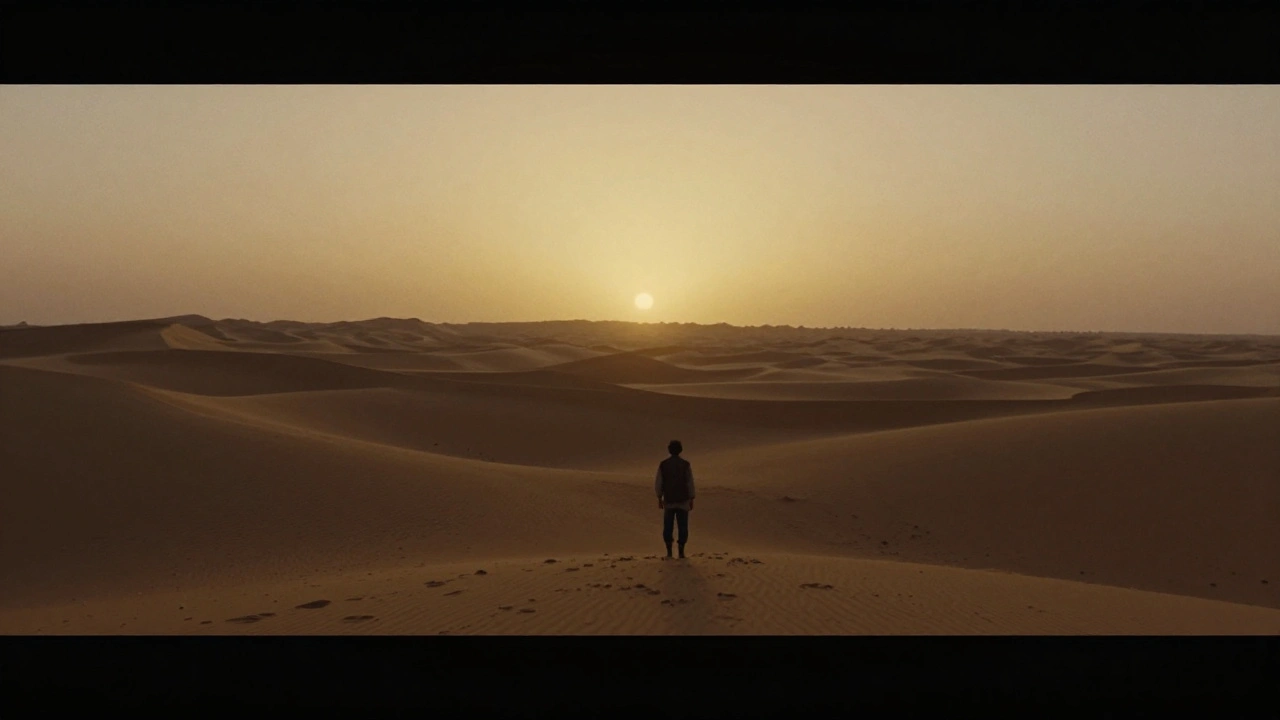
Directors pick aspect ratios to match the story’s tone. Think of Academy ratio, the 1.37:1 standard used in early Hollywood. It was the default for decades, trapping characters in a box that mirrored the limitations of their time. Then came widescreen, a broader format designed to compete with television. Films like Lawrence of Arabia and Mad Max: Fury Road used it to make deserts feel endless and chaos feel overwhelming. Even today, a filmmaker choosing 16:9 over 2.35:1 is making a statement—about intimacy, isolation, or spectacle.
It’s not just about the past. Modern films mix ratios within the same movie to signal shifts in time, memory, or reality. 1917 uses a single, unbroken 2.39:1 frame to keep you locked in the soldier’s perspective. The Grand Budapest Hotel jumps between 1.37:1, 1.85:1, and 2.35:1 to show different eras. And when Netflix or Apple TV+ stream a film, the platform might crop or letterbox it—changing how the director intended you to see it.
Behind every ratio is a decision: What do I want the audience to feel? What do I want them to miss? The right format doesn’t just frame the image—it frames the story. In this collection, you’ll find real-world examples from indie shoots to blockbusters, showing how lighting, camera movement, and set design all bend to the shape of the frame. You’ll see how filmmakers work around the limits of their format, and why some of the most powerful scenes happen because of what’s left out of the shot—not what’s in it.