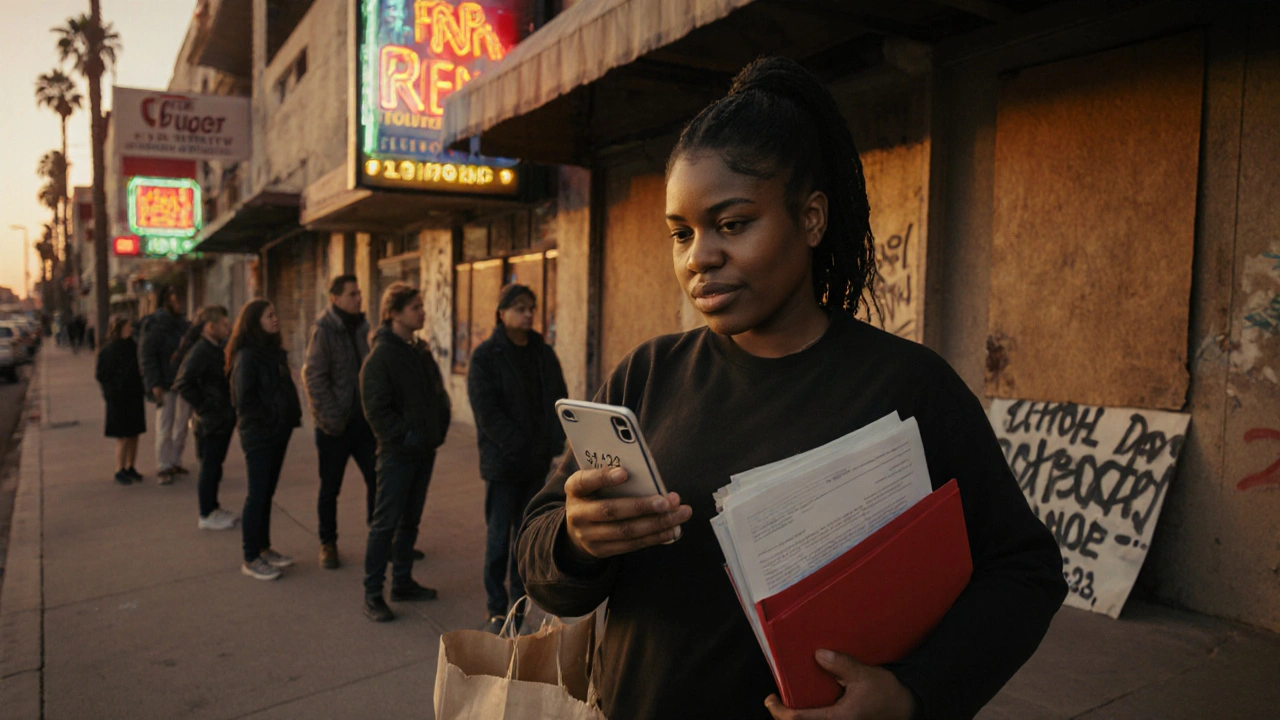
Cinema as Social Mirror
When we say cinema as social mirror, the way films reflect the values, fears, and conflicts of the society that makes them. Also known as film as cultural reflection, it’s not just about what happens on screen—it’s about why it matters to the people watching. A movie isn’t just a story. It’s a snapshot of the time it was made. Think about how films from the 1950s showed perfect families while ignoring racism. Or how post-9/11 thrillers turned paranoia into plot. These aren’t accidents. They’re responses.
Every great film that works as a social mirror doesn’t preach. It shows. Take documentary filmmakers, artists who capture real-world struggles without scripts or actors. Their work isn’t entertainment—it’s evidence. From climate protests to immigration raids, these films force us to look at what we’d rather ignore. And when studios make fictional films about inequality, like a factory worker fighting back or a single mom choosing between rent and medicine, they’re borrowing from real life. The audience recognizes it because they’ve lived it. That’s why films about marginalized voices—women, queer communities, immigrants—gain traction now. They’re not trendy. They’re necessary. People are tired of seeing the same old heroes. They want stories that match their reality.
Behind every film that holds up a mirror, there’s a team making choices. The director and cinematographer, the pair who shape how a story looks and feels through light, framing, and movement. Their decisions decide whether a character feels real or like a stereotype. A shaky camera in a crowded protest? That’s not just style—it’s empathy. A quiet close-up on a mother’s face after losing her job? That’s the weight of the economy made visible. These aren’t just technical choices. They’re moral ones. And when a film gets it right, it doesn’t just get watched—it gets talked about, shared, and remembered.
What you’ll find below isn’t a list of reviews. It’s a collection of stories that show how cinema doesn’t just follow culture—it shapes it. From how indie films break into streaming platforms to how animated characters carry deep cultural meaning, these posts reveal the hidden connections between what’s on screen and what’s happening off it. You’ll see how filmmakers use budget limits to tell bigger truths, how festivals amplify voices ignored by studios, and why some films stick with us long after the credits roll. This isn’t about box office numbers. It’s about what films say when no one’s watching.