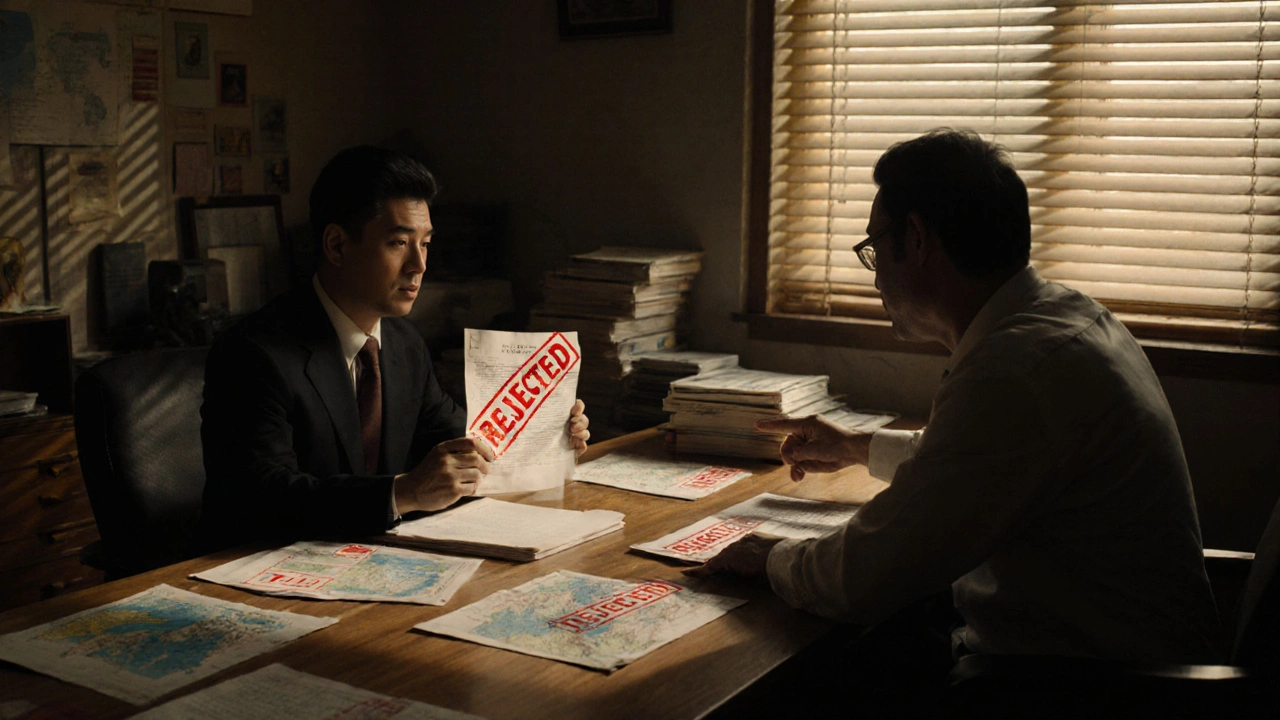
China India co-productions: How film partnerships between two giants are reshaping global cinema
When you think of China India co-productions, joint film projects between China and India that combine funding, talent, and storytelling from both nations. Also known as Indo-Chinese cinema, it is a growing force in global film that bypasses traditional Hollywood models to build stories for billions of viewers. These aren’t just remakes or dubbing deals—they’re full collaborations where scripts are written together, crews mix from Mumbai and Beijing, and budgets are shared to reach audiences in both countries and beyond.
What makes these partnerships possible? film financing, the structured funding of movies through international partnerships, tax incentives, and pre-sales across borders plays a huge role. Unlike Hollywood, where studios bankroll everything, many China India co-productions are built on deals signed before a single frame is shot. Foreign sales rights, especially in Southeast Asia and the Middle East, help cover costs. Meanwhile, cross-border film distribution, the process of getting a film into theaters and streaming platforms across national boundaries with local partners is no longer a hurdle—it’s the goal. Studios in both countries now have dedicated teams to handle language dubbing, cultural adjustments, and festival submissions to maximize reach.
These films often mix genres you wouldn’t expect—epic historical dramas with martial arts, romantic comedies set in Himalayan towns, or thrillers that move from Delhi’s streets to Shanghai’s skyscrapers. The stories aren’t always perfect, but they’re bold. And they’re growing. With India’s booming streaming market and China’s massive domestic box office, studios see real money in blending cultures rather than competing against them. You won’t find these films in every theater, but they’re showing up on Netflix, Amazon Prime, and local platforms with growing frequency.
What you’ll find in the posts below isn’t a list of every China India co-production ever made—there aren’t many yet. But you’ll see how the mechanics behind them work: how funding flows, how scripts are negotiated, how festivals react, and why some projects vanish while others become breakout hits. These aren’t just movies. They’re experiments in global storytelling—and the results are starting to matter.