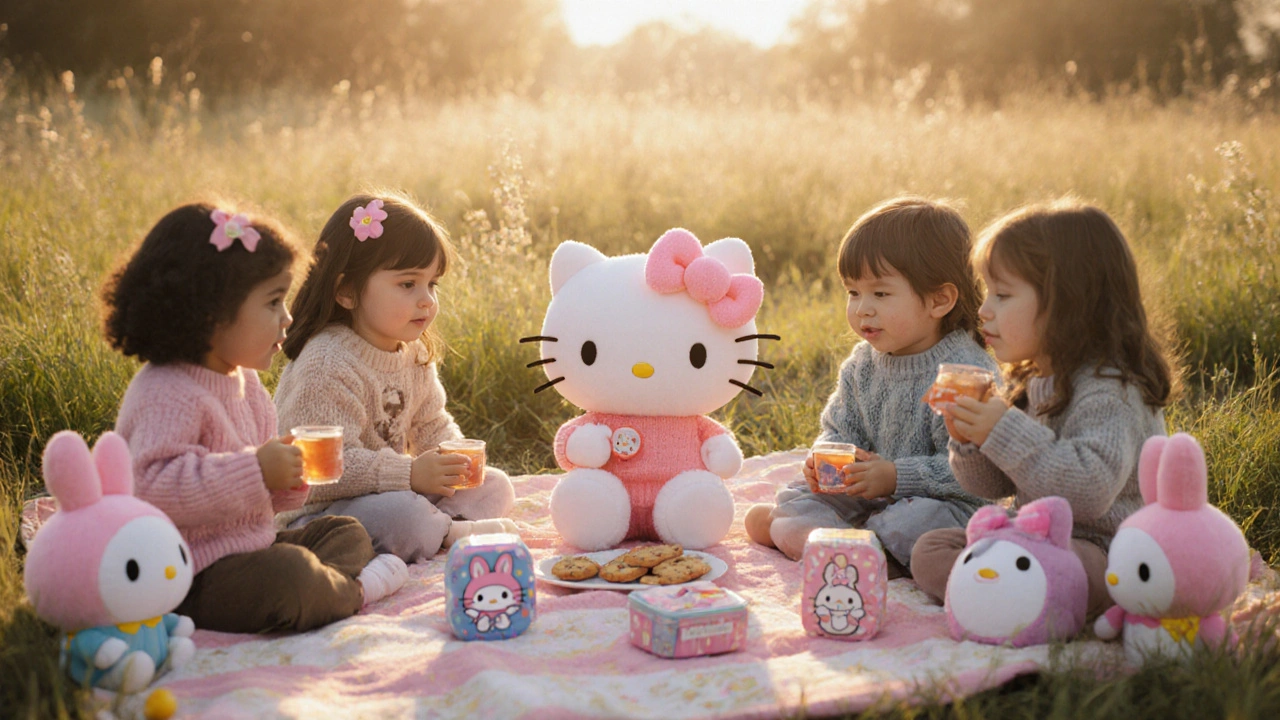
Children's Character IP: How Kids' Icons Become Global Franchises
When you think of children's character IP, a protected intellectual property designed to appeal to young audiences through consistent visual identity and storytelling. Also known as kids' brand characters, it's not just a cartoon figure—it's a license to print money across toys, clothes, games, and streaming content. Think of characters like Peppa Pig, Bluey, or Paw Patrol. They didn’t become global because they were cute. They became giants because every detail—their voice, their outfit, their catchphrase—was engineered for repetition, recognition, and retail.
Behind every successful children's character IP, a protected intellectual property designed to appeal to young audiences through consistent visual identity and storytelling. Also known as kids' brand characters, it's not just a cartoon figure—it's a license to print money across toys, clothes, games, and streaming content. is a carefully planned ecosystem. animated characters, digitally or hand-drawn figures created for TV, film, or digital media with recurring personalities and visual traits are the face, but toy licensing, the legal process of authorizing manufacturers to produce merchandise based on a character is the engine. Brands like LEGO and Hasbro don’t just buy rights—they build entire worlds around these characters, turning a 5-minute episode into a $200 million product line. And it’s not just about selling plastic. It’s about creating habits: kids ask for the character by name, parents buy the hoodie, the lunchbox, the bedtime storybook. The character becomes part of their daily life.
What separates lasting children's character IP from the rest? It’s not just marketing. It’s emotional consistency. Characters like SpongeBob or Dora the Explorer stick around because they feel real to kids—not perfect, not adult-approved, but relatable. They get frustrated, they laugh too loud, they say the same thing over and over. That’s not a flaw—it’s the strategy. And now, with streaming platforms hungry for original kids’ content, these IPs are being revived, rebooted, and repackaged faster than ever. You’ll find posts here that break down how studios pitch these characters to Netflix or Disney+, how toy companies negotiate licensing deals, and why some characters explode overnight while others vanish after one season. This isn’t just about cartoons. It’s about how a simple drawing becomes a cultural fixture—and how you can spot the next one before it hits shelves.