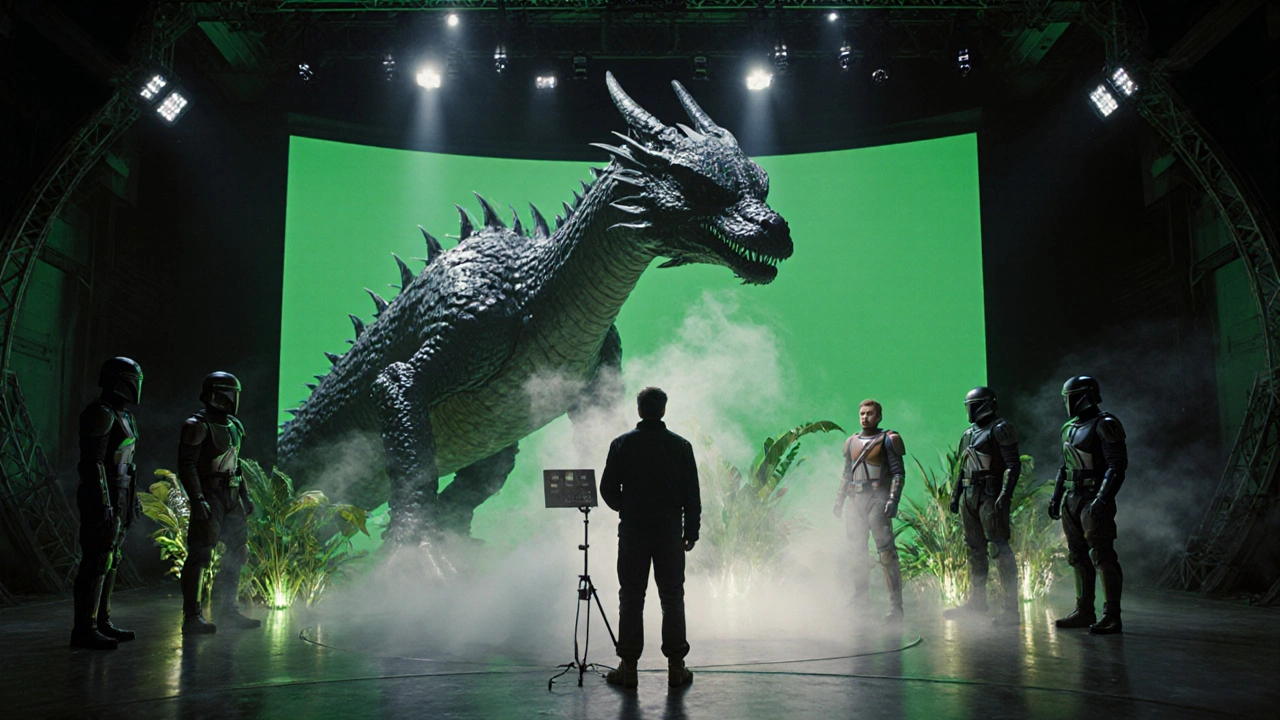
CGI in Film: How Digital Effects Shape Modern Movies
When you see a digital character on screen—whether it’s a talking ape, a glowing alien, or a hero made of light—you’re watching CGI in film, computer-generated imagery used to create visual elements that can’t be filmed in real life. Also known as visual effects, it’s not magic—it’s a mix of technology, acting, and careful planning that turns pixels into emotion. The real trick isn’t making things look real. It’s making you forget they’re not real.
That’s where motion capture animation, a technique that records an actor’s movements and translates them into digital characters. Also known as performance capture, it’s the reason Caesar in Planet of the Apes feels more alive than most human characters in blockbuster films. Actors wear suits with sensors, not just to move, but to convey a blink, a breath, a shift in weight. Without that human input, CGI becomes uncanny—lifeless, stiff, fake. Studios don’t just buy software; they hire actors who can perform under a dome of cameras, often for months, just to give a digital creature soul.
VFX, the broader field that includes CGI, compositing, lighting, and digital environment creation doesn’t stop at characters. It’s the storm behind a superhero’s flight, the city that explodes in slow motion, the alien planet that looks like it was photographed on another world. But here’s the catch: the best VFX work goes unnoticed. You don’t cheer for the digital water in The Revenant—you just believe the actor is really standing in freezing rapids. The goal isn’t to show off the tech. It’s to serve the story.
And it’s not just big-budget films. Even indie projects now use affordable tools to add digital elements—removing power lines, extending skies, adding subtle glows to eyes. You don’t need a $200 million budget to use CGI wisely. You just need to know when not to use it. Some of the most powerful moments in cinema happen when CGI is absent—when silence, lighting, or a real actor’s face carries the weight. But when it’s done right, CGI becomes invisible theater.
What you’ll find below are real stories from the trenches: how teams pulled off digital performances with tiny crews, how studios balance CGI with practical effects to avoid looking fake, and why some of the most acclaimed films of the last decade owe their emotional punch to motion capture, not just code. These aren’t theory pieces. They’re breakdowns from people who’ve been on set, fighting with software, negotiating with actors, and learning that the best digital effects are the ones you never think about.