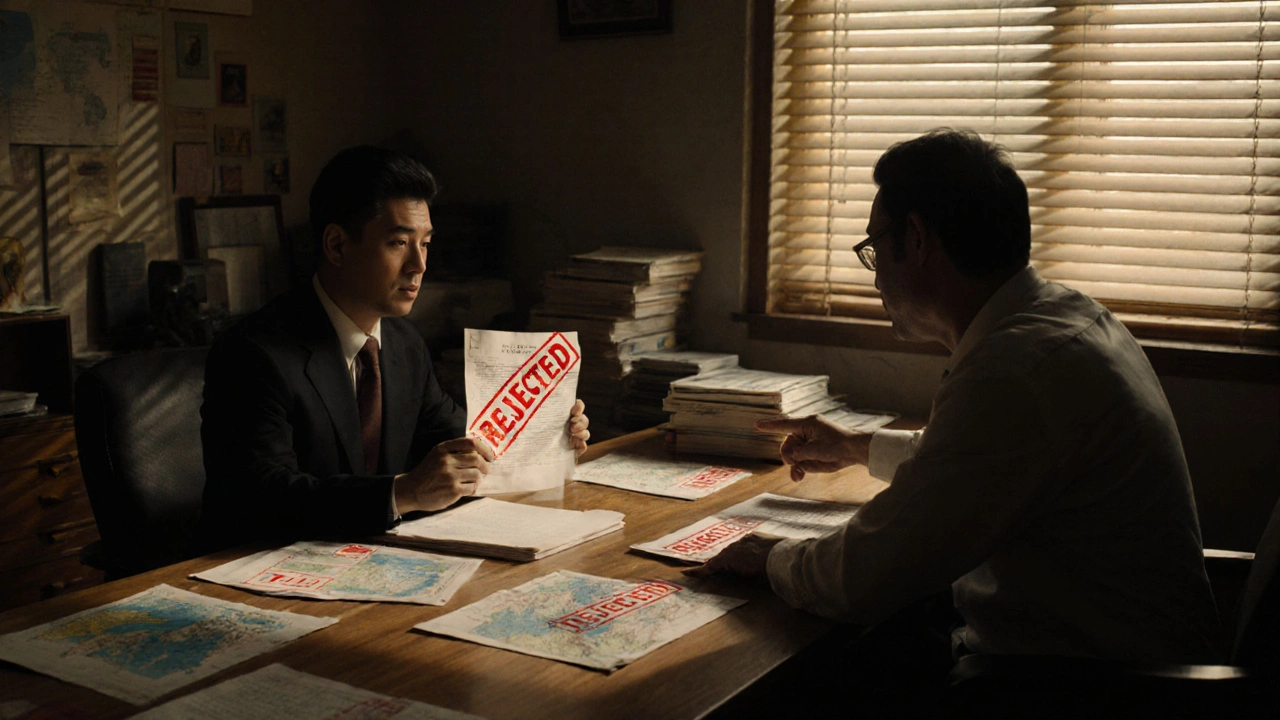
Censorship in China: What Films Are Banned and Why It Matters
When we talk about censorship in China, the state-controlled filtering of film content to align with political, social, and cultural guidelines. Also known as media regulation, it's not just about cutting scenes—it's about deciding what stories are allowed to exist in public view. Unlike in places where film bans are rare or controversial, China’s system is systematic, predictable, and deeply tied to national identity. The State Administration of Press, Publication, Radio, Film and Television (SAPPRFT) reviews every film before release, and even foreign films must pass strict edits to be shown in theaters. This isn’t occasional interference—it’s a routine part of how cinema operates in the country.
That means Chinese film industry, the ecosystem of production, distribution, and exhibition within mainland China. Also known as domestic cinema, it thrives on compliance. Studios know what themes are safe: historical epics with patriotic messages, family dramas without political subtext, and fantasy adventures that avoid real-world parallels. Films that touch on democracy, human rights, or Tibet often vanish before they even finish editing. Even international hits like The Revenant or Black Panther had scenes trimmed to remove references to rebellion or colonialism. Meanwhile, documentaries on sensitive topics—like the Uyghur crisis or Tiananmen Square—are never cleared for public screening. The result? A curated cinematic landscape where audiences rarely see the full picture.
content regulation, the formal rules and enforcement mechanisms that govern what media can be distributed. Also known as media control, it doesn’t just stop at theaters. Streaming platforms like iQIYI, Tencent Video, and Youku must also comply. A film that’s available on Netflix elsewhere might be completely absent in China—or altered beyond recognition. This isn’t just about blocking content; it’s about replacing it. The government funds and promotes films that reinforce its narrative, turning cinema into a tool of soft power. And while some filmmakers find ways to sneak in hidden meanings, most choose silence over risk.
What’s lost isn’t just art—it’s perspective. When entire genres like political thrillers or social realism are suppressed, audiences miss out on stories that challenge, question, or reflect reality. But this system also creates a strange kind of creativity: filmmakers use metaphor, period settings, and allegory to say what they can’t say outright. A movie about a ghost might really be about censorship. A story about a lost child might be about missing voices. These workarounds aren’t always obvious, but they’re there—if you know where to look.
Below, you’ll find real examples of how censorship shapes what gets made, how it affects global film strategy, and why some movies never make it past the review board. Whether it’s about editing out a single line or banning a director entirely, the impact ripples far beyond China’s borders. What you see in theaters—and what you don’t—isn’t just a matter of taste. It’s a matter of control.