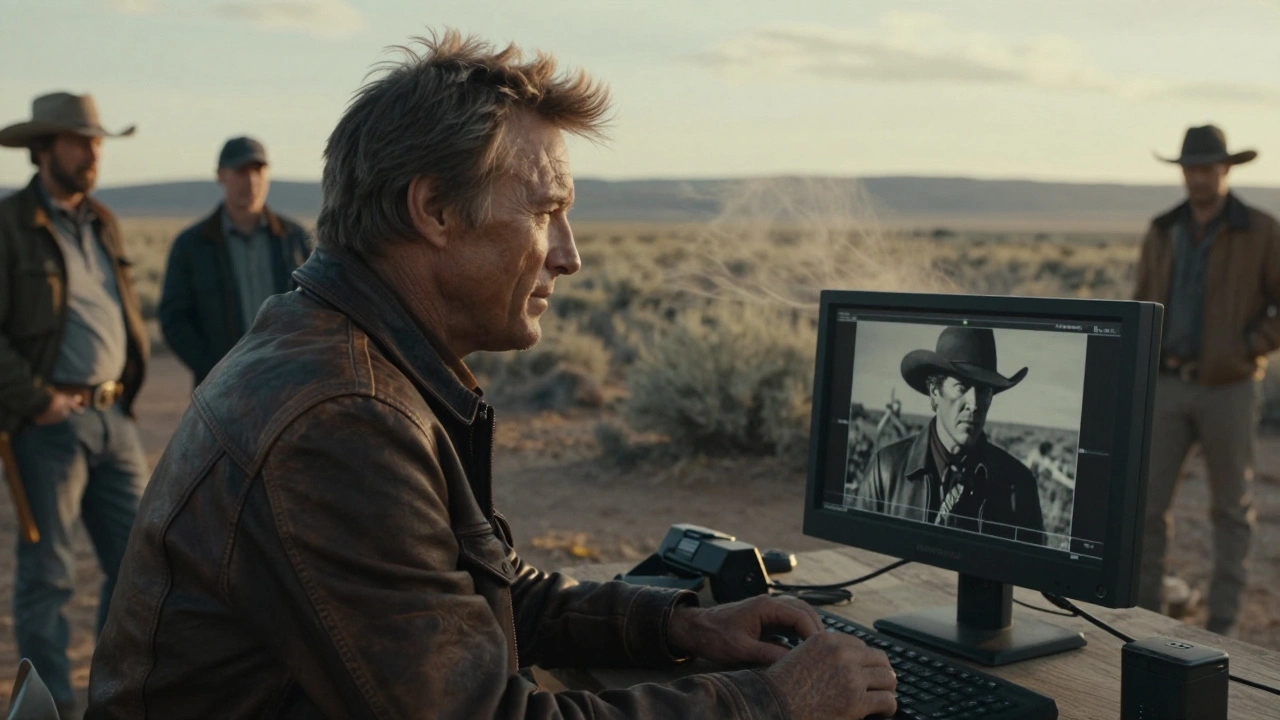
Celebrity Directors: Who They Are, How They Shape Film, and Why They Matter
When we talk about celebrity directors, filmmakers who have become household names through their distinctive style, box office success, or public persona. Also known as auteur filmmakers, they don’t just direct movies—they build worlds, define genres, and turn audiences into fans of their vision. Think of someone like Quentin Tarantino with his sharp dialogue and nonlinear storytelling, or Greta Gerwig bringing intimate emotional truth to big-budget films. These aren’t just people behind the camera—they’re the reason you care about the movie before it even drops.
What makes a celebrity director, a filmmaker whose personal brand is as strong as their filmography different from other directors? It’s not just fame. It’s control. They often write their own scripts, pick their own actors, fight for their vision in the editing room, and even shape how their films are marketed. That’s why studios give them bigger budgets and creative freedom—they know the director’s name alone can sell tickets. And it’s not just Hollywood. Directors like Bong Joon-ho or Alfonso Cuarón have become global brands, proving that a director’s voice can cross borders and languages.
Behind every hit film by a celebrity director is a trail of choices: the camera angles, the music, the pacing, even the color grading. These aren’t accidents. They’re trademarks. When you see a long tracking shot in a Scorsese film, you know it’s him. When a Marvel movie feels like a Todd Phillips film, that’s not a coincidence—it’s the director’s fingerprint. That’s why auteur filmmakers, directors who impose their personal artistic vision onto their films are so valuable. They turn movies into experiences, not just entertainment.
But it’s not all glamour. Being a celebrity director means constant pressure. Every new film is judged against the last. Fans expect the same energy, the same tone, the same signature. And when they don’t get it? The backlash hits hard. That’s why some directors step away from blockbusters to make quiet, personal films—just to remind themselves why they started. Others double down, building entire franchises around their style. Either way, their influence stretches far beyond the screen. They inspire new filmmakers, shift industry standards, and even change how studios think about creative risk.
What you’ll find in this collection isn’t just a list of famous names. It’s a look at how these directors work, what makes their films stick, and why their decisions matter—from how they handle actors on set to how they fight for final cut. You’ll see how their vision connects to things like film scoring, the use of music to deepen emotion and character, how they shape aspect ratios, the frame shape that guides how we see the story, and why their choices in casting, selecting performers who match their tone and style can make or break a film. These aren’t random topics—they’re the tools these directors use to turn ideas into unforgettable cinema. Whether you’re a fan or someone who wants to make films, this is where the real story begins.