How to Value Film Libraries: Catalog Sales and Appraisal Methods
Learn how film libraries are valued, appraised, and sold. Understand the financial drivers behind catalog sales and what makes classic films worth millions today.
When you hear catalog sales, the process of selling a film’s distribution rights to buyers after it’s made, often through film markets and sales agents. Also known as film licensing, it’s how small films end up on streaming platforms, cable networks, and international TV channels—without ever hitting a theater. Unlike premieres at Sundance or Cannes, catalog sales happen behind the scenes, in hotel meeting rooms at AFM or during quiet lunches at Berlin. They’re not flashy, but they’re how most indie films actually get seen.
Film sales agents, professionals who represent filmmakers and pitch their movies to buyers at markets. Also known as distribution reps, they’re the middlemen who know who’s buying what, when, and for how much. These agents don’t just hand out DVDs—they build relationships with buyers at platforms like Netflix, Apple TV+, and regional distributors in Japan, Germany, or Brazil. They know that a quiet documentary about climate change might sell better in Scandinavia than in the U.S., or that a low-budget thriller could find a home on a streaming service targeting horror fans in Southeast Asia. Their job? Match the right film to the right buyer before the festival crowds even leave town.
Film markets, annual gatherings where distributors, buyers, and producers negotiate rights for films already completed. Also known as film sales fairs, they’re where catalog sales live. The American Film Market (AFM) in Santa Monica, Cannes’ Marché du Film, and the Toronto Film Market are the big ones. But it’s not about red carpets—it’s about binders full of trailers, one-pagers, and sales sheets. Buyers walk in looking for films that fit their audience: a family film with strong character IP, a documentary with social relevance, or a genre flick with a built-in fanbase. These markets don’t care if you’re new—they care if your film can make money for them.
What makes a film sellable in catalog sales? It’s not always about awards. It’s about clarity: a clear genre, recognizable actors, a tight story, and a defined audience. A film with no stars can still sell if it has a strong hook—like a true story tied to current events, or a visual style that stands out. Buyers look at what’s already working: if a similar film did well on Hulu last year, they’ll want the next one. That’s why films like catalog sales often come from directors who’ve studied what’s already out there—not just what they want to make.
And it’s not just about the film itself. Sales agents and producers know timing matters. A film about mental health might sell better after a major news story breaks. A horror movie with a unique premise might catch fire if a similar film trends on TikTok. Catalog sales aren’t static—they’re responsive. The best deals happen when someone sees a gap and fills it fast.
Below, you’ll find real-world guides on how sales agents close deals at markets, how indie films get picked up by streamers, and what buyers actually look for before signing a contract. These aren’t theory pieces—they’re the tactics used by filmmakers who made their films work without a studio safety net. Whether you’re trying to sell your first film or just want to understand how your favorite indie movie ended up on your screen, this collection shows how the quiet engine of film distribution actually runs.
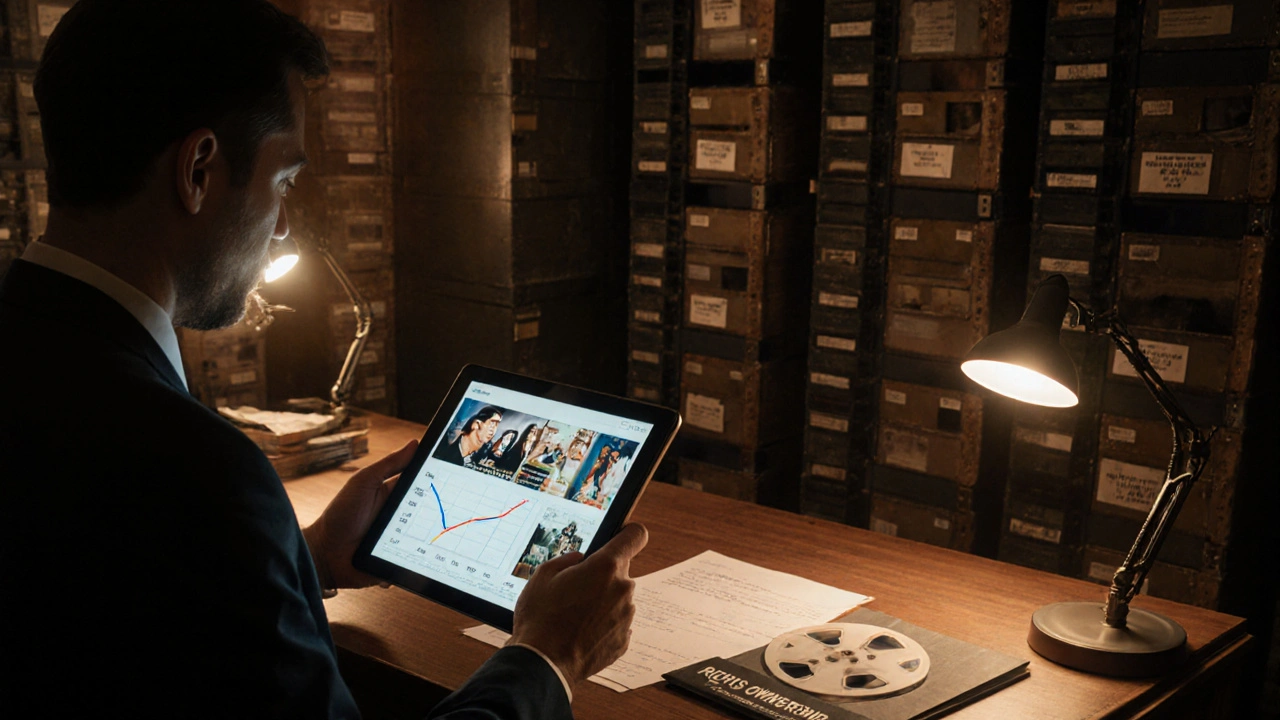
Learn how film libraries are valued, appraised, and sold. Understand the financial drivers behind catalog sales and what makes classic films worth millions today.