Camera and Vision in Modern Filmmaking: Tools, Techniques, and Trends
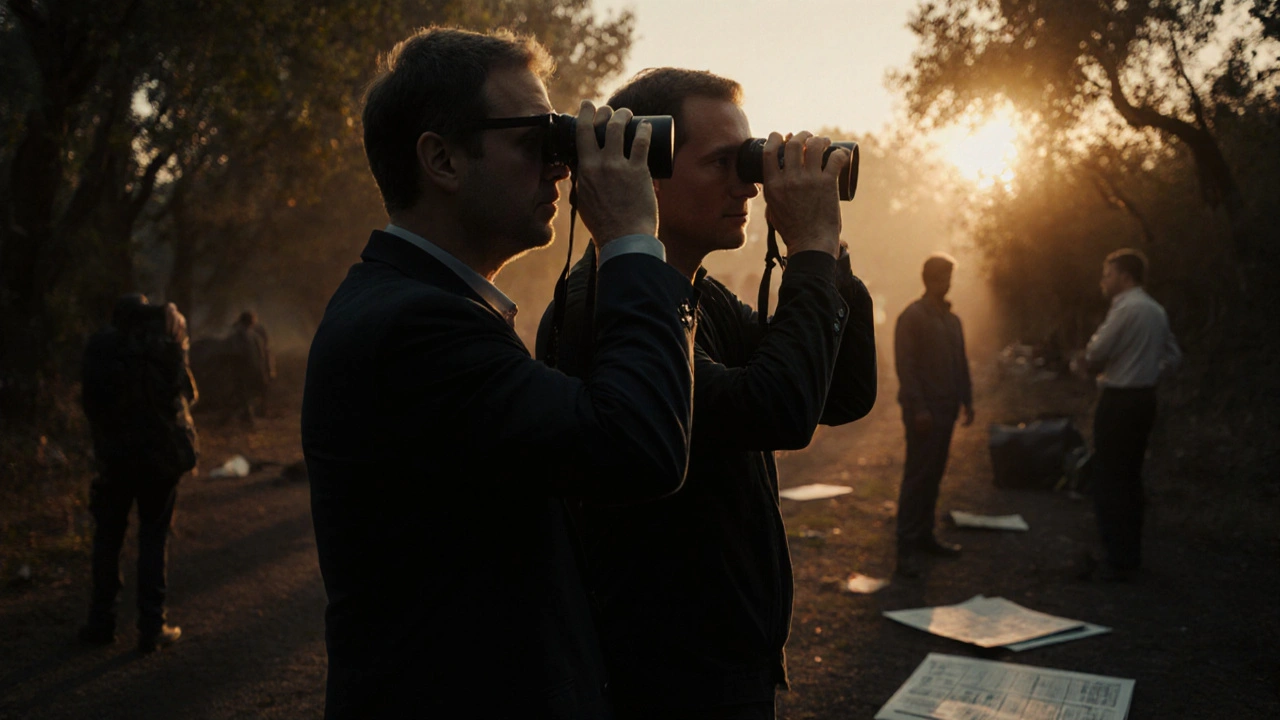
When filmmakers talk about camera and vision, the systems and technologies used to capture and interpret visual information in film production. Also known as cinematic imaging, it includes everything from the physical camera rigs to the software that turns light into moving images. This isn’t just about which camera you use—it’s about how you see the world through the lens and how technology lets you recreate it.
Virtual production, a filmmaking method that uses real-time rendering and LED walls to create interactive environments during shooting. It’s replacing green screens on big sets and even small indie shoots. Companies like Industrial Light & Magic pushed it into the mainstream with StageCraft, but now even low-budget films use compact LED panels to get realistic lighting and reflections without post-production guesswork. This shift changes how directors work, how actors perform, and how crews plan shots—because what you see on set is what you get in the final cut.
LED volume walls, large curved screens that display dynamic digital backdrops while filming. They don’t just show backgrounds—they respond to camera movement, change with the time of day, and bounce real light onto actors and props. That means no more matching lighting in post. No more fake shadows. No more green spill on hair. It’s a game-changer for realism, especially in sci-fi and fantasy films, but it’s also making location shooting cheaper and faster. A forest scene can be shot in a warehouse in Toronto, and the sunlight will look exactly like it’s in the Rockies.
Camera and vision tech isn’t just about big studios. It’s filtering down. Independent filmmakers now use affordable high-resolution sensors, AI-assisted focus systems, and real-time monitoring tools that used to cost six figures. Even smartphone cameras can now shoot in LOG profiles with 12-bit color—enough to grade like a feature film. The line between indie and blockbuster visuals is blurring because the tools are more accessible.
And it’s not just hardware. Vision systems now include software that tracks motion, predicts lighting shifts, and even suggests camera angles based on script tone. Some tools analyze a scene’s emotional rhythm and recommend shot lengths. Others sync camera movement with sound design to heighten tension. This isn’t sci-fi—it’s happening in editing rooms and on sets right now.
What does this mean for you? Whether you’re shooting a documentary in a living room or a fantasy epic on an LED stage, understanding camera and vision means understanding how to control light, space, and emotion with precision. The best directors aren’t the ones with the most expensive gear—they’re the ones who know how to make technology serve the story.
Below, you’ll find real-world examples of how filmmakers are using these tools—from virtual sets that cut production time in half, to how animators sync lip movements with voice tracks, to how haptic feedback is turning movie theaters into full-body experiences. These aren’t theory pieces. They’re field reports from the front lines of modern cinema.