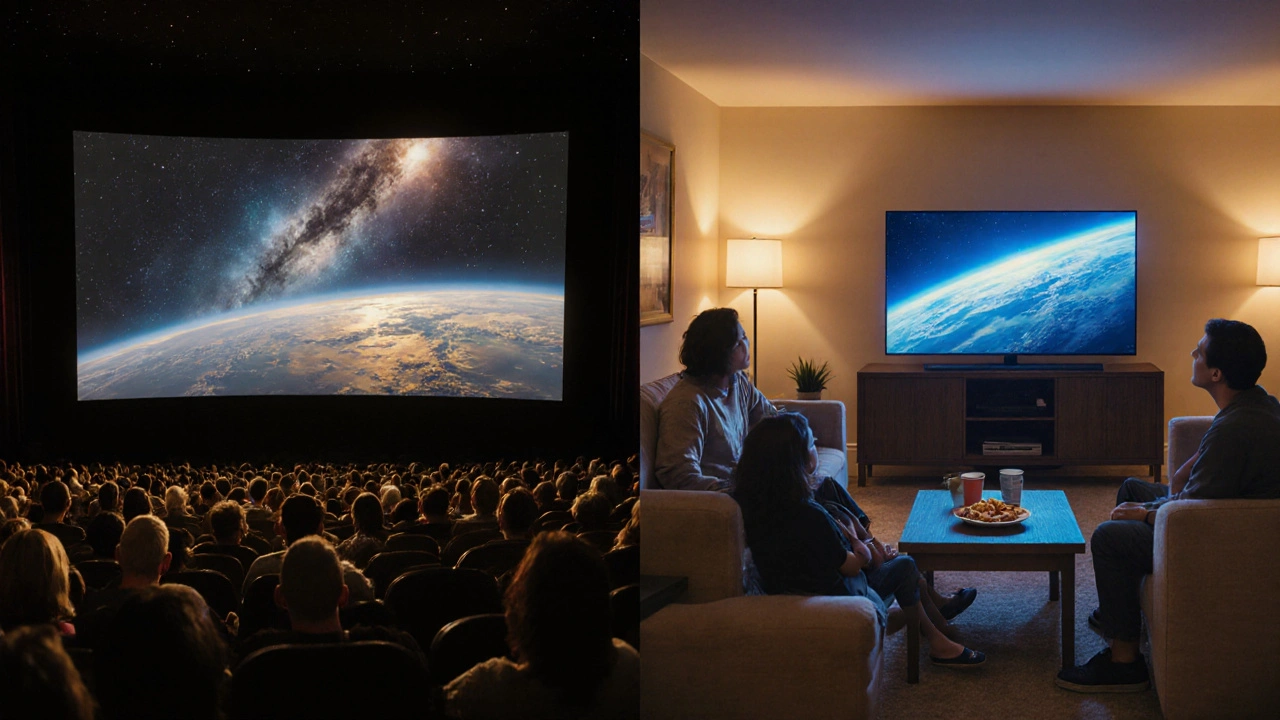
Box Office Decline: Why Movie Theaters Are Losing Ground and What’s Next
When we talk about the box office decline, the sustained drop in ticket sales at movie theaters worldwide, especially since 2020. Also known as theatrical revenue slump, it’s not a temporary glitch—it’s a structural change in how audiences connect with films. People aren’t watching fewer movies. They’re just not going to theaters the way they used to. The pandemic cracked the door open, but the real shift happened before that: streaming became easier, cheaper, and more personal. Why drive across town, pay for parking, endure loud snacks, and sit through ads when you can press play on your couch with zero hassle?
The streaming platforms, services like Netflix, Apple TV+, and Amazon Prime Video that deliver films directly to homes. Also known as SVOD services, they’ve redefined what "release" even means. They don’t need opening weekends. They don’t need 3D surcharges. They just need your attention for a few hours—and they’ve got algorithms that know exactly what you’ll watch next. Meanwhile, theaters are stuck chasing blockbuster formulas, betting millions on sequels and franchises that barely break even after marketing costs. Even big names like Marvel and Warner Bros. are scaling back theatrical releases, knowing that their real profit comes from streaming rights and global licensing deals.
But here’s the twist: the independent film distribution, the process of getting smaller, non-studio films seen by audiences without relying on major theater chains. Also known as indie film release strategies, it’s not dying—it’s evolving. Filmmakers who used to beg for a single screen in a multiplex are now skipping theaters entirely. They’re partnering with niche streamers, running targeted online campaigns, and using film festivals as launchpads—not red carpets, but digital doorways. The movie theater attendance, the number of people physically entering cinemas to watch films. Also known as audience footfall, it’s still alive in certain markets, but only for events: midnight premieres, immersive experiences, or films that demand the big screen—like Oppenheimer or Dune. For everything else? The living room won.
It’s not about theaters being obsolete. It’s about the old model being broken. Theaters used to be the only way to see a movie. Now, they’re one option among many—and not always the best one. The real winners today aren’t the studios with the biggest budgets. They’re the ones who understand audience behavior: how people discover films, how they choose to watch them, and what they’re willing to pay for. That’s why you’ll find posts here on how indie films get seen on streaming platforms, how sales agents close deals at film markets, and how producers are using slate financing to spread risk across multiple projects. These aren’t niche topics. They’re survival tactics.
If you’re wondering whether cinema is dying, the answer is no—but the way it reaches you is changing. The box office decline isn’t the end of movies. It’s the beginning of something more flexible, more personal, and more honest about what audiences actually want. What follows here are real stories from filmmakers, distributors, and industry insiders who are building the next chapter—without waiting for a theater to open its doors.