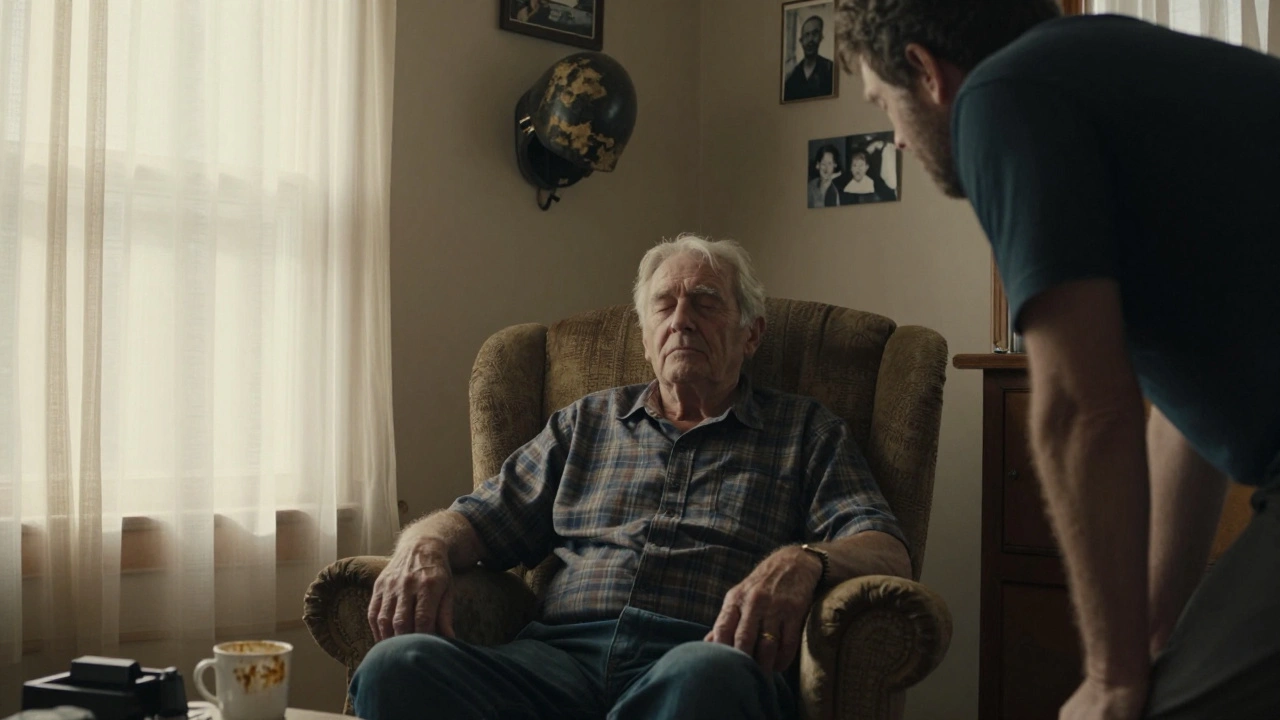
Authentic Documentary Interviews: Real Voices, Real Stories
When you watch a documentary that stays with you, it’s rarely because of the cinematography or the score—it’s because of the authentic documentary interviews, unscripted, emotionally honest conversations between filmmaker and subject that reveal truth without filters. These aren’t polished soundbites. They’re the quiet pauses, the shaky breaths, the moments when someone forgets the camera is there and speaks like they’re talking to a friend. That’s the difference between a film that informs and one that transforms.
What makes an interview authentic isn’t just the subject’s honesty—it’s how the filmmaker creates the space for it. It requires patience, trust, and the willingness to sit in silence. Many filmmakers rush to ask the next question, but the best ones know the most powerful answers come after the pause. This is why documentary filmmaking, a practice rooted in observation, empathy, and ethical engagement with real people demands more than technical skill. It demands emotional intelligence. The interview techniques, methods used to draw out truthful, unguarded responses from real people in non-fiction film aren’t taught in manuals—they’re learned through listening. A good interviewer doesn’t lead; they follow. They let the subject’s rhythm dictate the pace, and they don’t interrupt even when the answer is messy.
These interviews often become oral history, the recorded personal accounts of lived experience that preserve cultural memory outside official records. Think of the farmer who describes drought like it’s a living thing, or the refugee who tells you how they carried their child across a border. These aren’t just facts—they’re emotional artifacts. And when done right, these moments become the backbone of films that move audiences, spark change, or even shift public policy.
That’s why the collection below dives into what really happens behind the camera. You’ll find posts about how filmmakers build trust with reluctant subjects, how to handle trauma in interviews without exploiting it, and why some of the most powerful moments in documentaries come from people who never wanted to be filmed in the first place. You’ll see how documentary subjects, real individuals whose lives and experiences form the core of non-fiction storytelling aren’t just sources—they’re collaborators. And you’ll learn how the best directors know when to turn off the recorder, not just when to press record.