Aspect Ratios in Film: How Screen Shape Shapes Your Movie Experience
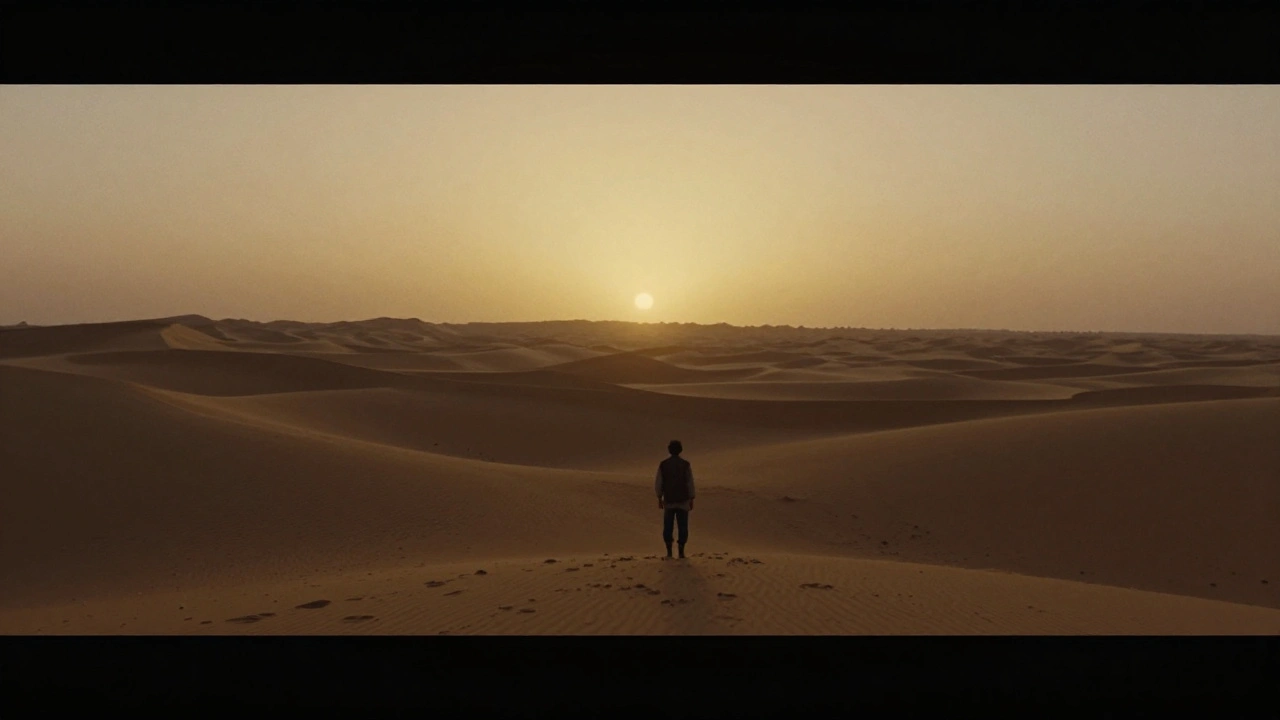
When you watch a movie, the shape of the screen isn't an accident—it's a storytelling tool. Aspect ratio, the proportional relationship between a film's width and height. Also known as screen format, it determines whether you feel trapped in a tight room or swept up in a vast desert. It's not about the size of your TV. It's about how the filmmaker wants you to see the world inside the frame. A narrow 4:3 ratio pulls you into a character’s face. A wide 2.39:1 makes a battlefield feel endless. That’s not just technical—it’s emotional.
Aspect ratios don’t exist in a vacuum. They’re tied to cinematic framing, how the camera positions subjects within the frame to guide emotion and focus. A director choosing a 1.85:1 ratio for a drama isn’t just saving money—they’re forcing you to focus on faces, not backgrounds. Meanwhile, widescreen, any format wider than 1.85:1, often used for action or epic stories lets you see the whole landscape before the hero even moves. And then there’s the shift from 16:9 on your TV to 21:9 on your monitor—each change alters how you absorb the scene. These aren’t just preferences. They’re decisions that shape your entire experience.
Modern films mix ratios like colors on a palette. One scene might use 1.33:1 to feel claustrophobic, the next jumps to 2.76:1 to shock you with scale. Think of 1917—it tricks you into thinking it’s one continuous shot by sticking to a tight 2.39:1, making every turn feel urgent. Or Oppenheimer, where black-and-white scenes use 1.85:1 to feel like old newsreels, while color scenes explode into 70mm 2.20:1. The change isn’t just visual—it’s psychological. You feel the weight of history in one, the terror of the bomb in the other.
And it’s not just about big-budget films. Indie filmmakers use aspect ratio to stretch a tiny budget into a bold statement. Shooting in 4:3 on a cheap camera can make a room feel like a prison. Going ultra-widescreen with a drone shot can turn a backyard into a mythic landscape. It’s one of the few tools that costs nothing but demands vision.
What you’ll find in these articles isn’t just theory. It’s how production designers pick materials that look right in different frames, how camera movement changes when the screen is wider, and why some films look broken on your TV because someone chose the wrong ratio. You’ll see how virtual production, drone shots, and even streaming platforms force filmmakers to rethink every frame. This isn’t about old film standards. It’s about how the shape of the screen still controls how you feel—today, tomorrow, and in every movie you watch next.